
Tools
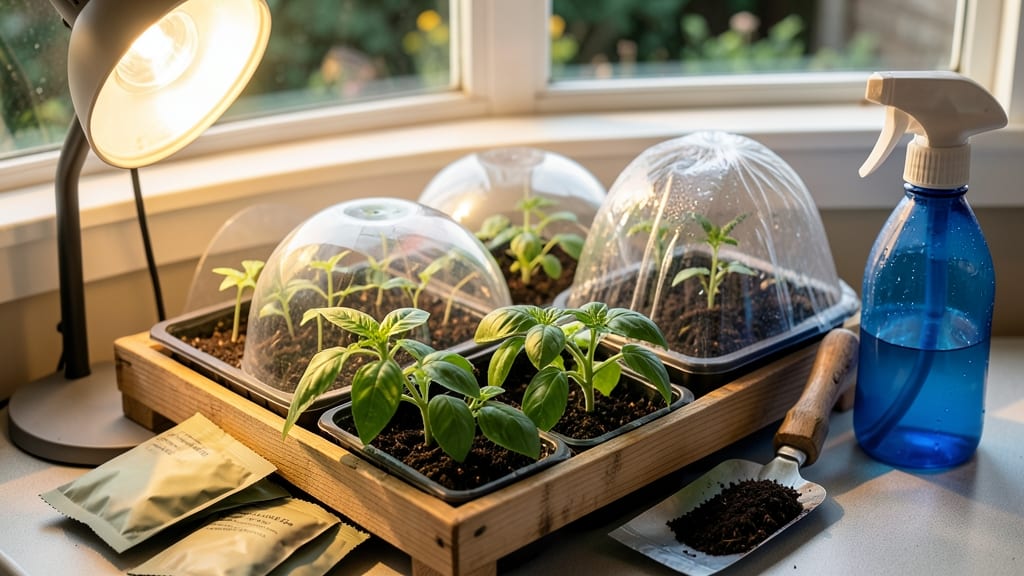
Starting garden seeds indoors at the right time ensures strong, healthy seedlings ready for transplanting—so timing your countdown to frost is the key to avoiding leggy, weak plants or missed harvests.
Picture this: you’ve got your seed trays ready, the grow lights are set up, and then—BAM—you realize you started those tomatoes two months too early. Now you’re stuck with overgrown seedlings that flop when you try to move them outside. Trust me, I’ve been there.
Every plant has its own ideal window, whether it’s cool-season crops like lettuce that need an early start or heat-loving peppers that can wait until spring.
The secret lies in knowing your last frost date and working backward from there—plus a few climate tweaks to keep your seedlings from becoming victims of timing mistakes.
Below, I’ll break down the exact countdowns for 10+ common vegetables, how to adjust for your local weather quirks, and the three biggest timing mistakes that kill more seedlings than pests ever will. Let’s get those seeds in the ground on schedule!
Plant-specific indoor seed starting countdowns by last frost date
Starting seeds indoors too early or too late can ruin your entire growing season. The key is understanding each plant's days-to-maturity and working backward from your last frost date.
For example, if your frost date is April 15, a 90-day tomato needs to start 8-10 weeks before—around February 1—to be ready for transplanting. But what about 60-day lettuce or 120-day corn? Let's break it down by plant type and region.
Most gardeners use three broad categories when planning indoor seed starts: 60-day crops (fast growers like lettuce), 90-day crops (tomatoes, peppers), and 120-day crops (corn, squash). The rule of thumb is to start 4-8 weeks before your last frost date, but the exact timing varies.
For instance, cool-season crops like broccoli can handle light frost, so you might start them 6-8 weeks before, while warm-season crops like basil need to wait until 2-4 weeks before the last frost for optimal growth.
Here’s a region-tailored timeline for 10 key vegetables, assuming an average last frost date of April 15. Adjust these dates based on your local climate zone or microclimate variations.