
Vegetables
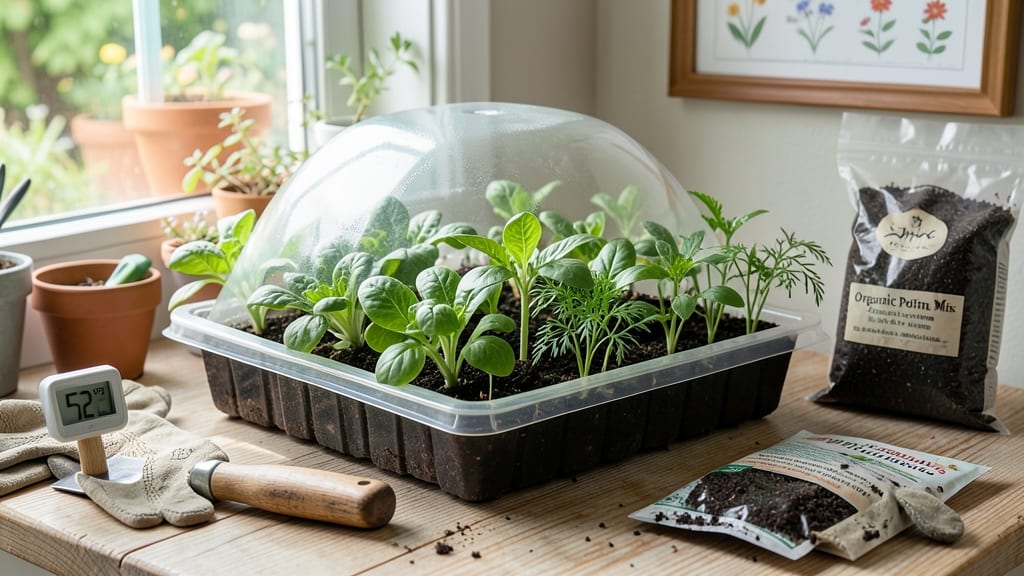
Starting your vegetable garden at the right time means the difference between a thriving harvest and a season of disappointment.
Timing your vegetable garden correctly can mean the difference between a bountiful harvest and wasted effort—knowing when to start planting by your local frost dates is the first step to success.
Whether you're a beginner or a seasoned gardener, getting the timing right for cool-season crops like spinach or warm-season favorites like tomatoes is critical to avoid common mistakes like bolting or stunted growth.
In this guide, I’ll walk you through how to calculate your frost dates, choose the best planting windows for your region, and even extend your growing season with simple strategies.
How to calculate your local frost dates for vegetable planting
Timing your vegetable garden correctly can mean the difference between a bountiful harvest and wasted effort. Understanding your local frost dates helps you know when to plant cool-season crops like spinach and when to wait for warm-season vegetables like tomatoes.
Without this knowledge, you might plant too early and risk frost damage or too late and miss the growing season entirely.
Frost dates are the average last spring frost and first fall frost for your area. These dates vary by USDA hardiness zone, elevation, and local climate patterns. For example, a garden in Zone 5 will have earlier frost dates than one in Zone 9.
Let’s break down how to find your frost dates accurately so you can plan your vegetable garden with confidence.
To calculate your frost dates, you’ll need three key tools: the USDA Plant Hardiness Zone Map, historical weather data, and online frost date calculators. Start by identifying your USDA zone using the interactive map on the USDA website.
This gives you a baseline for your climate. Next, check local weather records to see how frost dates have varied in recent years—some years may be 1-2 weeks earlier or later than the average.
For a more precise calculation, use online frost date calculators like the National Gardening Association’s Frost Calculator. These tools factor in your zip code, elevation, and even nearby bodies of water, which can create microclimates that affect frost timing.
For instance, areas near lakes or rivers might experience later frosts in spring due to slower water cooling.
Here’s a step-by-step guide to calculating your frost dates accurately:
Visit the USDA Plant Hardiness Zone Map and enter your zip code to find your zone number. This provides a general range for your frost dates, but it’s not always precise for urban or high-elevation areas.
Use resources like the National Oceanic and Atmospheric Administration (NOAA) or local weather stations to find the average last spring frost and first fall frost dates for your area. These dates can vary significantly from the USDA zone averages.
Consider local factors like elevation, proximity to water, and urban heat islands. For example, urban areas often have later frosts in spring because buildings and pavement retain heat. Conversely, valleys or low-lying areas may frost earlier.
Plug your location into tools like the Old Farmer’s Almanac Frost Dates or Gardeners.com Frost Calculator. These calculators provide a more tailored estimate based on your specific address and local conditions.
Join local gardening groups or forums to ask experienced gardeners about their frost dates. They can offer insights based on years of observations and may know about unusual frost patterns in your area.
Once you’ve calculated your frost dates, you can adjust your planting schedule accordingly. For cool-season vegetables like lettuce and peas, plant them 2-4 weeks before your last frost date.
For warm-season crops such as tomatoes and peppers, wait until after the last frost date and ensure the soil has warmed to at least 60°F.
Remember that frost dates are averages, and weather can be unpredictable. Always have a plan to protect your plants if an unexpected frost is forecasted.
Using row covers or cold frames can extend your growing season by a few weeks, giving you more time to enjoy fresh vegetables from your garden.
By mastering the art of calculating frost dates, you’ll be well on your way to a thriving vegetable garden. Start with these steps, and soon you’ll be planting with the confidence of a seasoned gardener!
Best planting times for vegetables by frost-tolerant categories
Understanding your local frost dates is the key to unlocking a productive vegetable garden. Cool-season crops like spinach and peas thrive in cooler temperatures, while warm-season crops such as tomatoes and peppers need consistent warmth.
Each category has a distinct planting window that aligns with your last and first frost dates, ensuring optimal growth and harvest.
For cool-season vegetables, I recommend starting seeds indoors 4-6 weeks before your last frost date.
These hardy plants can handle light frosts and often produce better-tasting harvests when grown in cooler weather. Warm-season crops, on the other hand, should only be planted outdoors after all danger of frost has passed, typically 2-3 weeks post-last frost for most regions.
Succession planting is another game-changer for maximizing your garden's potential. By staggering plantings every 2-3 weeks during the ideal window, you can enjoy a continuous harvest of crops like lettuce, radishes, and beans. This method works especially well for fast-growing vegetables that mature quickly.
When planning your cool-season garden, focus on crops like spinach, kale, and peas that can handle temperatures down to 25°F or lower. These vegetables often taste sweeter after a light frost, so don't be afraid to plant them early.
For warm-season crops, wait until the soil temperature reaches at least 60°F before transplanting seedlings like tomatoes or peppers.
In regions with short growing seasons, I recommend prioritizing fast-maturing varieties of warm-season crops.
Look for labels indicating days to maturity of 50-60 days, which gives you the best chance of a harvest before the first frost. Succession planting is especially valuable here, as it allows you to fit multiple harvests into a limited season.
For gardeners in warmer climates with mild winters, you can often plant cool-season crops in fall and winter for harvests before summer heat sets in. This overlapping strategy creates a year-round supply of fresh vegetables while keeping your garden productive throughout all seasons.
Just be mindful of pest pressures that may increase during warmer months.
Remember that local microclimates can significantly affect your planting timeline. Areas near large bodies of water or urban heat islands may experience earlier last frosts or later first frosts than official records suggest. Always monitor your local weather patterns and adjust your planting schedule accordingly for the best results. 🌱