
How To
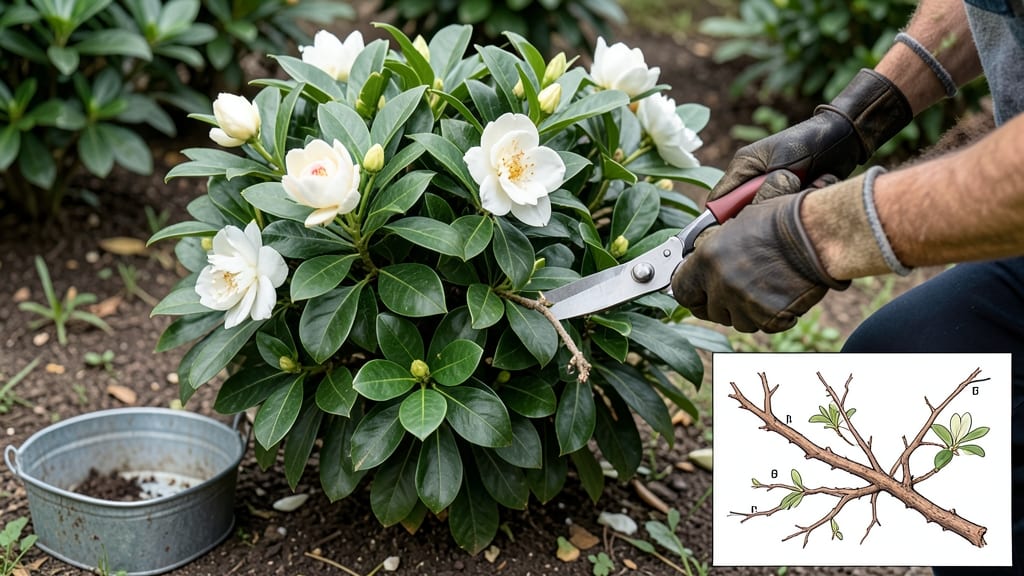
To trim gardenia bushes for next year’s lush 🌸 blooms, wait until after the flowers fade in late summer or early fall.
Struggling to keep your gardenia bushes thriving? Timing your pruning perfectly ensures stunning blooms year after year—while cutting at the wrong time can stunt growth or damage delicate flowers.
Most gardeners make the mistake of pruning too early, which removes next season’s flower buds before they form. The ideal window is late August to early October, when the plant has finished blooming but before winter dormancy sets in.
Below, I’ll walk you through the exact steps, tools, and regional adjustments to keep your gardenias healthy, fragrant, and bursting with color for seasons to come.
Best time of year to prune gardenia bushes for optimal blooms
Timing your gardenia bush pruning is everything—get it right, and you’ll reward yourself with abundant blooms next season. Cut at the wrong time, though, and you risk stunted growth or even killing your plant.
The secret lies in pruning after blooms fade, typically in late summer to early fall, when the plant has finished flowering and is preparing for dormancy.
Gardenia bushes thrive in USDA zones 7-11, but their pruning schedule shifts slightly depending on your region. In warmer climates like Florida or California, you might prune as late as October or November.
Meanwhile, gardeners in cooler zones (like Georgia or South Carolina) should aim for September to avoid frost damage. The key is to prune 6-8 weeks before your first frost.
Never prune in winter or early spring—this is a common mistake that can shock the plant and delay blooming. Gardenias are evergreen shrubs, so they don’t enter true dormancy like deciduous plants.
Instead, they slow growth in cooler months, making them vulnerable to disease or pest infestations if pruned incorrectly.
Here’s the golden rule: Prune gardenias after they finish blooming but before new buds form for the next season. This window ensures you remove spent flowers while leaving enough foliage to photosynthesize and store energy for future blooms.
In hotter climates (zones 9-11), prune gardenias in late August to October to give them time to recover before summer heat returns. Look for spent blooms and yellowing leaves as your cue—these signal the plant is ready for a trim.
In cooler zones (7-8), aim for September to avoid winter dormancy, which can stress the plant if pruned too late.
If you live in a humid coastal region, like South Florida or Hawaii, you might extend your pruning window to November. The goal is to reduce moisture stress while still allowing the plant to harden off before cooler weather.
Avoid pruning during peak humidity, as this increases the risk of fungal infections.
For container-grown gardenias, prune slightly earlier—in late August to September—since they recover faster in pots but also dry out quicker. Always water deeply after pruning to help the plant establish new growth.
If your gardenia is root-bound, pruning also gives you the chance to repot or trim roots for better health.
One critical mistake is pruning too aggressively. Gardenias bloom on old wood, so avoid cutting back more than 1/3 of the plant in a single session. Focus on shaping the bush, removing dead or diseased branches, and thinning out crowded growth to improve air circulation.
After pruning, sterilize your tools with rubbing alcohol to prevent spreading disease. Apply a light layer of mulch around the base to retain moisture and protect roots during recovery. With the right timing, your gardenia will thank you with lush, fragrant blooms next season.
🌸
Step-by-step pruning guide: how to trim gardenia bushes correctly
Pruning your gardenia bushes correctly is the secret to encouraging abundant blooms and maintaining a healthy shape. Unlike many shrubs, gardenias respond best to light pruning—never more than 25% of the plant at once.
The right technique removes dead wood, improves air circulation, and prevents disease while preserving next year’s flower buds.
Before you begin, gather your tools: sharp bypass pruners, sterilized rubbing alcohol, and gloves (gardenia leaves can irritate skin). Always sterilize your tools between cuts to prevent bacterial or fungal infections. I recommend wiping blades with rubbing alcohol or a 10% bleach solution after every 3-5 cuts.
Start by inspecting your gardenia for dead or diseased branches. These appear brown, brittle, or hollow when tapped—they make a dull sound. Cut these back to healthy green wood, making your cut just above a leaf node or outward-facing bud. This encourages new growth in the right direction.
Next, shape your gardenia by removing crossing or rubbing branches. These compete for sunlight and nutrients, reducing overall health. Aim for an open, vase-like shape to maximize airflow, which is critical for preventing powdery mildew—a common issue with gardenias.
Never remove more than 1/3 of the plant’s foliage in a single session.
⚠️ Critical Pruning Warning
Never prune gardenias in winter—this is when flower buds form for next year! Cutting too late (after October) risks removing next season’s blooms. In USDA zones 9-11, aim to finish pruning by early September. For cooler zones (7-8), wait until late August to avoid frost damage.
When making cuts, always use a 45-degree angle just above a bud or leaf node. This technique promotes faster healing and directs new growth outward. Avoid leaving stubs, as they invite disease.
For larger branches, use your pruners to make two cuts: the first 1/3 of the way through the branch, then the second just outside the branch collar.
After pruning, give your gardenia a light fertilizer application with an acidic, balanced formula (like 10-10-10) to support new growth. Water deeply to help the plant recover, but avoid overwatering, which can cause root rot. Mulch around the base with organic matter to retain moisture and regulate soil temperature.
Common mistakes to avoid include pruning too aggressively, which stresses the plant, and ignoring dead wood, which spreads disease. Another pitfall is cutting into old wood (wood without leaves) in spring—this removes potential blooms. Always prioritize health over aesthetics to keep your gardenia thriving for years.