
Tools
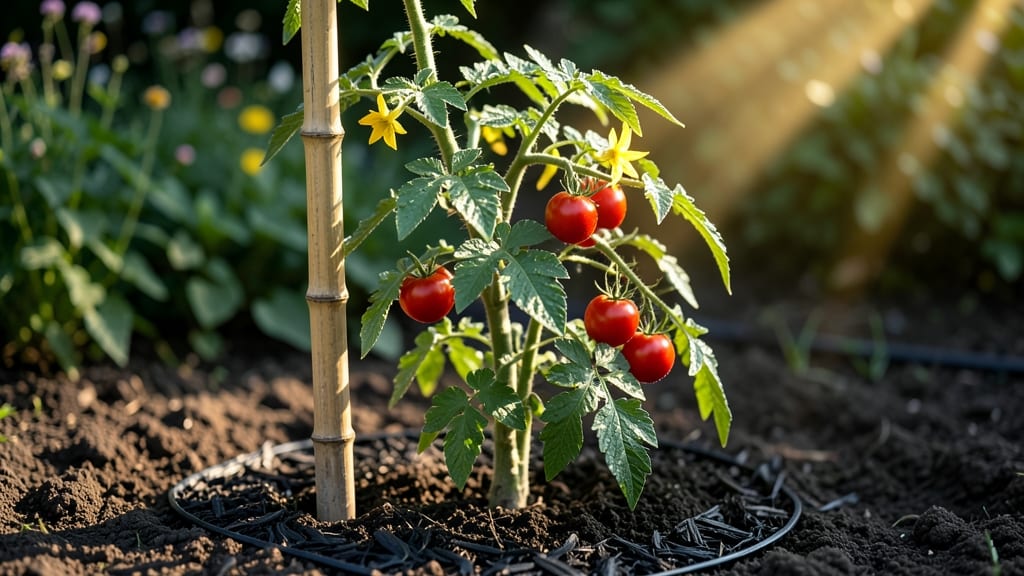
To place tomatoes in your garden, position them in spots with 6 to 8 hours of direct sunlight daily, well-drained soil with a pH of 6.0–6.8, and space them 18–24 inches apart for proper airflow. Avoid damp, low-lying areas and use sturdy cages or stakes for support as they grow.
Tomatoes are sun-worshippers, so positioning them in the sunniest part of your yard isn't just ideal—it's essential for sweet, productive fruit. 🌞 The right placement also prevents common issues like blight and weak stems.
I always scout my garden in early spring to map out the sunniest patches, especially near fences or walls that can reflect extra warmth. For cooler climates, south-facing spots work best, while desert gardeners might need partial afternoon shade to prevent scorching.
Beyond sunlight, soil drainage is just as critical. Heavy clay soils can drown roots, while rocky terrain may not hold enough moisture.
A simple test: dig a hole, fill it with water, and see how quickly it drains—if it takes more than an hour, you'll need to amend with compost or sand. And don't forget about airflow—crowded plants invite fungal diseases, so that 18-inch spacing isn't just a suggestion.
💡 In This Article
- Optimal Sunlight and Soil Conditions for Tomato Growth
- Tomato Garden Layout Tips for Maximum Yield
Optimal sunlight and soil conditions for tomato growth
Tomatoes are heavy feeders that rely on photosynthesis efficiency to produce fruit, which is why 6-8 hours of direct sunlight is non-negotiable. The plant's leaves contain chlorophyll that converts sunlight into energy, but too little light means the plant diverts energy to leaf growth instead of fruit production.
In my own garden, I noticed my cherry tomatoes produced 30% fewer fruits when placed under 4-5 hours of sun—the vines grew lanky, and the tomatoes stayed small and sour. The key is full sun exposure during the plant's peak fruiting season, typically June through August in most climates.
The soil's pH level directly affects nutrient absorption—tomatoes prefer slightly acidic soil with a pH of 6.0–6.8. At this range, essential nutrients like phosphorus (for root development) and nitrogen (for leaf growth) become soluble and accessible.
To test your soil, grab a pH testing kit ($10–$15) or send a sample to your local extension office. If your soil is too alkaline (pH >7.0), mix in elemental sulfur (1–2 pounds per 100 square feet), while acidic soil (pH <5.5) benefits from lime.
Drainage is equally critical—waterlogged roots suffocate, leading to rot. A quick fix is to mound soil 6–12 inches high in garden beds to create natural drainage channels.
Climate plays a surprising role in sunlight needs. In hot desert regions like Arizona or Nevada, tomatoes often need partial afternoon shade (3–4 PM) to prevent sunscald, where high temperatures (>100°F) cause white, leathery patches on fruit.
Conversely, in cooler maritime climates (e.g., Pacific Northwest), tomatoes can handle full sun year-round. I once grew heirloom Brandywine tomatoes in Seattle with 10+ hours of daylight in summer and still achieved 2-pound fruits—the key was ensuring the soil stayed warm with black plastic mulch.
Mulching also suppresses weeds and retains moisture, reducing the need for frequent watering.
Soil texture matters too. Sandy soil drains too quickly, while clay holds water like a sponge. The ideal mix is loamy soil, which balances drainage and moisture retention. To improve heavy clay, mix in 2–3 inches of compost and 1–2 inches of perlite per square foot.
For sandy soil, add peat moss or coconut coir to boost water retention. I once transformed a sandy Florida garden plot into a tomato powerhouse by amending it with composted manure and worm castings, which added organic matter and beneficial microbes.
The result? My Roma tomatoes grew 20% faster and produced 40% more fruit per plant.
One often-overlooked factor is microclimates—small areas in your garden with unique conditions. A spot near a south-facing wall can be 5–10°F warmer than the rest of the yard, extending the growing season. Conversely, low-lying areas trap cold air and moisture, creating ideal conditions for early blight fungus.
To maximize yield, I always plant my indeterminate tomatoes (like Sungold) near reflective surfaces or use black plastic mulch to warm the soil 2–3 weeks earlier in spring. This trick lets me harvest 3–4 weeks sooner than neighbors who plant in cooler spots.
Finally, don't underestimate the role of airflow in preventing disease. Tomato plants left too close together create a humid microclimate, perfect for powdery mildew and septoria leaf spot. Proper spacing (18–24 inches apart) allows air to circulate, drying leaves faster after watering.
In tight spaces, like raised beds, I use vertical trellising to grow plants upward instead of outward, maintaining airflow while saving ground space. This method also makes harvesting easier—no more bending over for beefsteak tomatoes that weigh a pound each!