
Planting
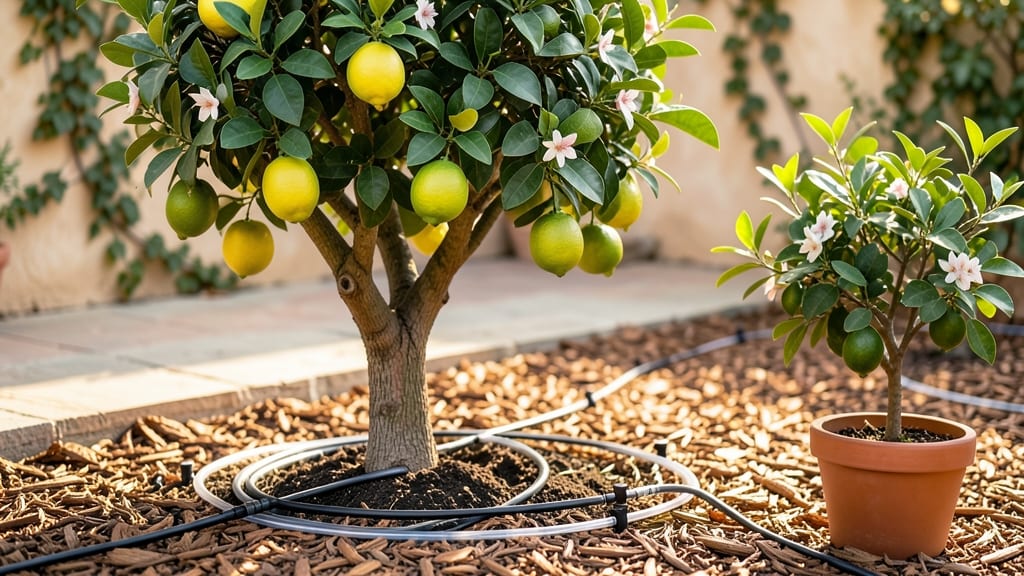
Zone 10 gardening offers frost-free year-round growing, but success depends on selecting heat-tolerant plants, managing microclimates, and balancing humidity with precise irrigation. Prioritize drought-resistant natives and tropical varieties while preparing for rare cold snaps.
In these warm climates, temperature shifts—like coastal breezes cooling inland areas or urban heat islands trapping warmth—create distinct growing zones that can vary by just a few degrees. 🌿 I’ve seen gardens where citrus thrives near the coast but struggles just a mile inland due to these microclimate differences.
The key is mapping your space: higher elevations or shaded spots may need cold-sensitive plants, while sun-baked areas demand drought-proof species like bougainvillea or agave. Even in Zone 10, unexpected cold snaps (below 32°F) can damage tropical plants, so mulching and windbreaks become essential tools.
For year-round productivity, I recommend layering plants by height and water needs—tall palms or banana trees at the back, with succulents and herbs in front. This setup mimics natural ecosystems and reduces competition for resources.
And don’t overlook companion planting: basil beside tomatoes repels pests, while marigolds deter nematodes in vegetable beds. The goal? A garden that feels effortless yet thrives despite the challenges.
💡 In This Article
- Understanding Zone 10 Microclimates and Frost Risks
- Best Year-Round Plants for Zone 10 Gardens
Understanding Zone 10 microclimates and frost risks
Zone 10’s frost-free reputation doesn’t mean temperatures stay perfectly uniform—urban heat islands, coastal breezes, and elevation shifts create dramatic microclimates within just a few hundred feet.
For example, a downtown Los Angeles garden might hit 95°F in summer due to asphalt and concrete absorbing heat, while a nearby canyon area stays 10°F cooler thanks to shade and airflow. These variations explain why some plants thrive in one spot but struggle just 50 feet away.
The real challenge comes from rare but devastating cold snaps. Even in Zone 10, temperatures can dip below 32°F for short periods, which is lethal for tropical plants like mangoes or citrus.
The science behind this risk involves high-pressure systems pushing Arctic air southward—something that happens every 5-10 years in most Zone 10 regions. To prepare, gardeners use row covers (which add 5-10°F of protection) or plant cold-hardy tropical varieties like Mexican lime (which tolerates 28°F) instead of standard lemons.
Mapping your microclimates starts with simple tools: a thermometer placed at plant height and observations over 2-3 weeks. Note where morning sun lingers (warmer) versus shaded corners (cooler).
For instance, a north-facing wall might create a 5°F cooler zone perfect for heat-sensitive greens like bok choy, while a south-facing slope could support cacti that need full sun. This precision planting avoids wasted effort—like trying to grow frost-sensitive hibiscus in a low-lying area prone to cold air pooling.
Elevation plays a surprising role too. Every 1,000 feet of elevation gain drops temperatures by about 3.5°F, so hillside gardens often mimic higher zones.
I’ve seen avocado trees (Zone 10a) grow successfully at 1,200 feet in San Diego but fail at sea level in Phoenix due to these microclimatic shifts. The solution? Group heat-loving plants together in warmer zones and reserve cooler spots for shade-tolerant varieties like elephant ears or ginger.
Water management ties directly to microclimates. Humid coastal areas may need drip irrigation to prevent fungal diseases, while inland zones require deep watering every 3-4 days to combat dry heat.
For example, a bougainvillea in a windy coastal garden might need 20% more water than one inland due to salt spray and higher evaporation rates. The key is matching irrigation to your specific microclimate’s moisture demands.
Don’t overlook wind patterns—they can turn a 90°F day into a 70°F chill if coastal winds blow inland. Installing windbreaks (like bamboo screens or hedges) creates sheltered pockets where tropical plants can thrive.
I’ve seen papaya trees survive 30°F dips when protected by a 6-foot-tall windbreak, while unprotected plants wilt. These small adjustments make the difference between a struggling garden and a lush, year-round oasis.