
Tools
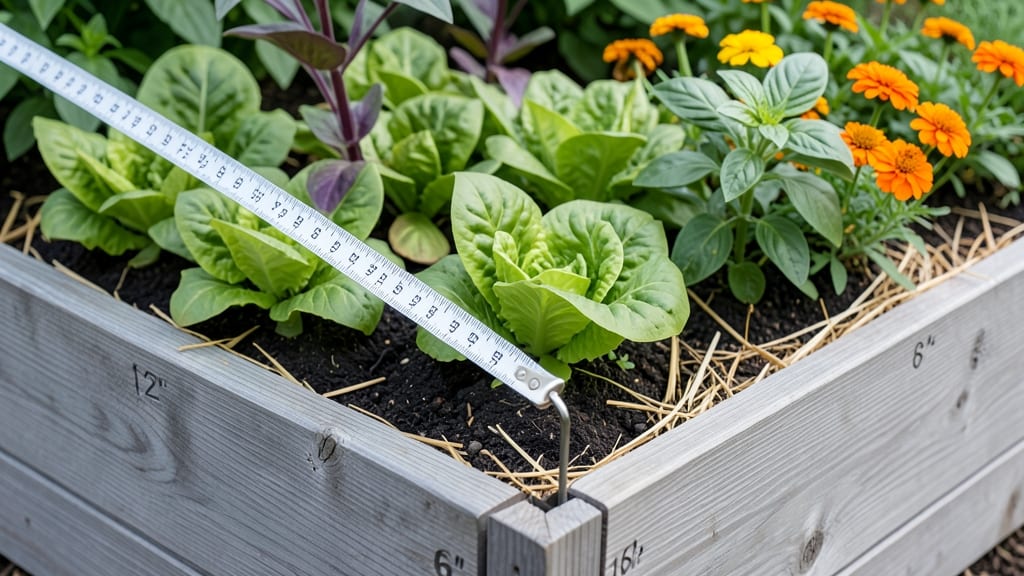
Determining garden bed height is crucial for healthy plant growth and easier maintenance, with vegetable beds thriving at 6 to 12 inches to support root systems and deter weeds, while flower beds typically sit at 2 to 6 inches for visual appeal and proper drainage. Raised beds over 12 inches enhance soil quality and reduce strain on your back during gardening.
Getting the right garden bed height isn't just about looks—it directly impacts how well your plants grow. 🌱 For vegetables, deeper beds (6-12 inches) give roots plenty of room to spread while keeping weeds at bay.
Shallow flower beds (2-6 inches) focus on drainage and aesthetics, letting water flow through without pooling. The secret? Deeper beds also stay warmer in spring, giving plants a head start.
I've found that adding compost to deeper beds boosts soil fertility naturally, while shallower beds need more frequent mulching to retain moisture.
Don't overlook the practical side—taller beds mean less bending, which is a game-changer for anyone with back issues. If you're working with limited space, consider vertical gardening or tiered planters to maximize height without sacrificing footprint.
For container gardening, aim for at least 6 inches of depth to accommodate root growth, even if your plants are smaller. The key is matching your bed height to both your plants' needs and your gardening style.
💡 In This Article
- How Raised Garden Bed Height Impacts Root Growth and Soil Health
- Choosing the Best Garden Bed Height for Your Plants and Space
How raised garden bed height impacts root growth and soil health
Root systems thrive when bed depth matches their natural growth patterns. Deep-rooted vegetables like carrots or parsnips need 12+ inches of soil to develop fully, while shallow-rooted lettuce or radishes do well in just 4-6 inches.
The extra depth in taller beds creates a larger oxygen-rich zone around roots, which is crucial for nutrient uptake. 🌱 For example, a 10-inch bed allows roots to spread horizontally while accessing deeper moisture reserves during droughts.
Soil temperature also shifts with bed height. Deeper beds warm up faster in spring because they retain heat from the ground below, giving cool-season crops like spinach a 2-3 week head start. Shallow beds (under 6 inches) cool down quicker, which can delay germination.
The drainage dynamics change too—taller beds prevent waterlogging by allowing excess moisture to drain through the full depth, while shallow beds may require more frequent watering to avoid soggy soil that suffocates roots.
Nutrient distribution becomes more efficient in deeper beds because compost and organic matter can be layered throughout the soil profile. I've noticed that 12-inch beds maintain consistent moisture levels with 30-50% less watering than shallow beds, thanks to better water retention in the expanded soil volume.
The deeper profile also reduces competition between plants for nutrients, letting each root system access its own "territory."
Weed suppression is another major benefit of taller beds. Weeds struggle to establish in deeper soil because their seeds often germinate near the surface where light reaches.
A 10-inch bed creates a physical barrier that blocks most weed seeds from reaching the soil surface, reducing manual weeding by up to 70%. The deeper soil also supports beneficial microbes that outcompete weed seeds for space and nutrients.
Consider the soil composition too—deeper beds can incorporate more organic matter throughout, improving long-term fertility. For instance, mixing in 2-3 inches of compost at the bottom of a 12-inch bed creates a nutrient-rich zone that supports root development.
Shallow beds, however, rely more on surface mulches to maintain fertility, which breaks down faster and requires more frequent replenishment.
For container gardening, even 6-inch depths can work if you choose compact varieties like bush beans or dwarf tomatoes, but you'll need to fertilize more often.
The key is matching bed height to both your plants' root requirements and your ability to maintain consistent moisture and nutrients at those depths. 💫