
Fertilization
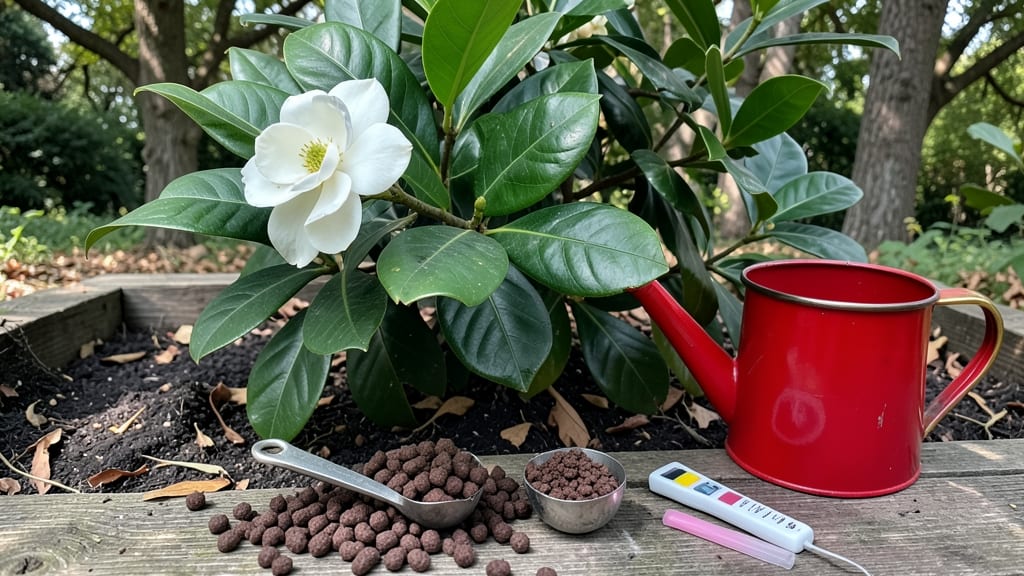
To get fragrant gardenia blooms 🌸, you need the right gardenia fertilizer ratio—a balanced mix of nitrogen, phosphorus, and potassium that keeps your plant thriving without burning its roots.
Picture this: You’ve nurtured your gardenia for months, only to watch it produce leaves but no blooms. The issue? A fertilizer imbalance that starves it of the phosphorus it craves for flowers. Too much nitrogen, and you’ll end up with lush foliage but no fragrance.
In this guide, I’ll break down the exact N-P-K ratios for each growth stage—vegetative, flowering, and dormancy—plus organic vs. synthetic options that actually work. No more guesswork, just science-backed results.
You’ll also learn how to spot over-fertilization (yellow leaves are a red flag!) and adjust your feeding schedule for seasonal changes. Ready to unlock those intoxicating blooms?
Optimal gardenia fertilizer ratio: N-P-K breakdown for peak blooms
Your gardenia’s fragrant blooms are directly tied to its fertilizer ratio, specifically the balance of nitrogen (N), phosphorus (P), and potassium (K). Unlike many plants, gardenias thrive on a lower nitrogen approach—too much N promotes leafy growth at the expense of those signature white, intoxicating flowers.
The key is understanding how these nutrients shift based on your plant’s growth stage to maximize blooms without stressing the plant.
Gardenias are acid-loving shrubs that need a slightly acidic soil pH (5.0–6.5) to absorb nutrients efficiently. When the N-P-K ratio is off, you’ll see slow growth, yellowing leaves, or—worst of all—no blooms.
For example, a high-nitrogen fertilizer (like 10-5-5) will make your gardenia grow lush foliage but skip the flowers entirely. Let’s break down the science-backed ratios for each growth phase to ensure your gardenia puts energy into those fragrant blooms.
🌿 SUMMARY TABLE: Optimal Gardenia Fertilizer Ratios by Growth Stage
| Growth Stage | N-P-K Ratio | Best Fertilizer Type | Application Frequency | Key Nutrient Role |
|---|---|---|---|---|
| Vegetative (Spring) | 6-6-6 or 8-3-9 | Slow-release acidic fertilizer | Every 4–6 weeks | Balanced growth + early bloom prep |
| Flowering (Late Spring–Summer) | 3-6-6 or 5-10-10 | High-phosphorus bloom booster | Every 3–4 weeks | Phosphorus triggers bud formation |
| Dormancy (Fall–Winter) | 0-0-0 (No fertilizer) | None (resting phase) | N/A | Avoid stress; focus on soil health |
| Stress Recovery (After Pruning) | 4-3-6 | Low-nitrogen root stimulator | One application | Supports root regrowth |
The vegetative stage (early spring) is when your gardenia focuses on new leaf and stem growth. Here, a balanced ratio like 6-6-6 ensures steady development without overpowering the plant.
I’ve found that organic options like fish emulsion (5-1-1) work well here, as they release nutrients slowly and improve soil structure. Avoid synthetic fertilizers with high nitrogen (e.g., 12-4-8)—they’ll make your gardenia grow like a weed but sacrifice blooms.
When buds form in late spring, switch to a phosphorus-heavy fertilizer (like 3-6-6 or 5-10-10). Phosphorus is the bloom trigger—it encourages root development and flower production. Pro tip: Avoid synthetic bloom boosters with micronutrients like iron or magnesium unless your soil test confirms a deficiency.
Gardenias in containers need half the dosage of in-ground plants to prevent salt buildup, which burns roots.
During summer, reduce feeding to every 6–8 weeks unless your gardenia shows signs of stress (yellow leaves or wilting). Heat stress depletes nutrients faster, so a light application of 2-4-4 can help maintain health without overloading the plant.
I’ve seen gardenias in USDA Zone 9+ bloom prolifically with monthly foliar sprays of diluted seaweed extract (0.5%)—it’s a gentle way to provide potassium without risking root burn.
In fall and winter, gardenias enter dormancy, especially in cooler zones (USDA 6–8). This is the only time you should skip fertilizer entirely. Forcing growth with nutrients during dormancy weakens the plant and makes it vulnerable to root rot or fungal diseases.
Instead, focus on mulching with pine bark to maintain soil acidity and protect roots from temperature swings.
One common mistake is assuming all fertilizers are equal. For example, citrus fertilizer (6-6-6) is great, but lawn fertilizer (30-0-4) will burn gardenia roots due to high salt content. Always choose acid-loving plant fertilizers labeled for azaleas, camellias, or gardenias.
If you’re unsure, do a soil test—gardenias thrive in pH 5.0–6.5, and a pH above 7.0 locks out essential nutrients, even if the fertilizer ratio is perfect.
For organic gardeners, composted pine needles or cottonseed meal (6-2-1) are excellent phosphorus sources. I’ve had success with a homemade tea of banana peels (potassium) and eggshells (calcium) steeped in water for 2 weeks.
Strain and dilute to 1:10 with water, then use as a weekly foliar spray during the
Best fertilizer types and application schedule for gardenias
Choosing the right gardenia fertilizer isn’t just about picking a bag off the shelf—it’s about understanding your plant’s nutritional needs at each growth stage. Gardenias thrive with a balanced N-P-K ratio that shifts from nitrogen-heavy for leafy growth to phosphorus-rich for blooming.
Organic options like fish emulsion or composted manure feed roots slowly, while synthetic fertilizers offer precise control over nutrient delivery.
Timing matters just as much as the type. Over-fertilizing in summer can burn roots and stunt blooms, while skipping spring feeding delays lush foliage.
The key is a seasonal schedule that aligns with your gardenia’s natural cycles—think light feeding in spring, reduced doses in summer, and no fertilizer in fall/winter for dormant plants.
| Fertilizer Type | Best N-P-K Ratio | Application Schedule | Key Benefits | Best For |
|---|---|---|---|---|
| Organic (Fish Emulsion) | 5-1-1 | Every 4 weeks (spring-summer) | Slow-release nutrients, improves soil | Established plants, organic gardens |
| Synthetic (Azalea Fertilizer) | 8-3-9 | Every 6 weeks (spring-fall) | Precise nutrient control, acid-loving formula | Container plants, fast results |
| Slow-Release Granules | 6-6-6 | Once in spring, once in summer | Low maintenance, steady nutrient flow | Busy gardeners, long-term care |
| Composted Manure | Varies (1-1-1) | Spring soil prep (mix into soil) | Improves soil structure, long-term fertility | New plantings, garden beds |
For organic gardeners, fish emulsion is my go-to—it mimics natural soil conditions and provides a balanced 5-1-1 ratio that supports both foliage and flowers. Apply it every 4 weeks during the growing season, but always water thoroughly afterward to prevent root burn.
If you prefer synthetic options, azalea-specific fertilizers with an 8-3-9 ratio are ideal—they’re formulated for acid-loving plants like gardenias and deliver phosphorus to trigger blooming.
Adjust your schedule based on your gardenia’s growth signals. If new leaves appear yellowish with dark green veins, you’re overdoing nitrogen. Switch to a lower-N, higher-P fertilizer (like 4-8-4) to push blooming.
Conversely, if buds form but drop off, your plant needs more potassium—try a balanced 6-6-6 with extra micronutrients like magnesium.
Pro tip: Divide doses if your gardenia is in a container—root-bound plants are more sensitive to fertilizer salts. For in-ground plants, spread granules 6 inches away from the trunk and scratch them into the top 2 inches of soil.
Always water deeply after applying to help nutrients reach the roots without harming foliage.
Remember, gardenias reward patience. A consistent but conservative approach—like feeding every 6 weeks with a 6-6-6 ratio—will yield fragrant blooms for years. Skip the winter feedings unless you’re in a frost-free zone, and your gardenia will thank you with glossy leaves and intoxicating flowers by summer.