
Light Requirements
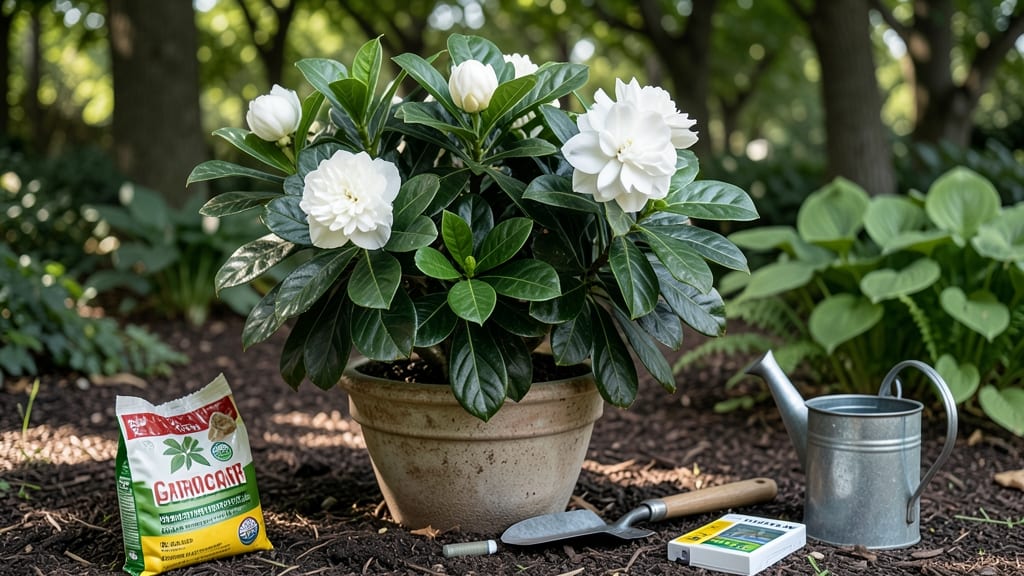
To keep your gardenia blooming with fragrant, glossy flowers, its fertilizer requirements are the key to thriving growth—think acidic soil, balanced nutrients, and a schedule that matches its seasonal needs.
Struggling to keep your gardenia blooming as beautifully as it did when you first planted it? The secret likely lies in its soil—gardenia plants are famously finicky about their fertilizer and pH needs, yet getting it right unlocks stunning, fragrant flowers year after year.
Most gardeners overlook the pH balance (aim for 5.0–6.5) and overfeed with generic fertilizers, which can burn roots or stunt blooms. Instead, we’ll focus on the right mix: organic options like compost or fish emulsion, or synthetic blends with micronutrients like iron.
Below, I’ll break down the exact fertilizer types, when to apply them, and how to spot signs of over- or under-feeding—so your gardenia 🌸 thrives without guesswork.

Optimal fertilizer types and nutrient ratios for gardenias
Gardenia plants thrive when their nutrient needs align perfectly with their growth stages. Unlike many shrubs, they demand a balanced yet acidic fertilizer regimen to produce those iconic, fragrant blooms.
The key lies in understanding NPK ratios, micronutrients, and how to adjust feeding based on whether your gardenia is focusing on leafy growth, blooming, or dormancy. Skipping this step often results in sparse flowers or yellowing leaves—signs your plant isn’t getting what it needs.
First, let’s address the soil pH requirement. Gardenias are acid-loving plants, demanding a pH range of 5.0–6.5. Testing your soil’s pH is non-negotiable—use a digital pH meter or home test kit for accuracy.
If your soil reads above 6.5, amend it with sulfur or peat moss to lower the pH gradually. Ignoring this can stunt growth, even with the right fertilizer.
Soil pH Test Kit (Amazon or garden centers) or digital meter (more precise) are your best tools. For a quick fix, mix 1 cup of peat moss into the top 6 inches of soil around your gardenia’s root zone. Re-test after 4–6 weeks to monitor changes.
| Growth Stage | NPK Ratio | Micronutrients | Fertilizer Type | Frequency |
|---|---|---|---|---|
| Foliage Growth (Spring) | 6-10-10 | High iron, magnesium | Synthetic (e.g., Miracid) or organic (fish emulsion) | Every 4 weeks |
| Blooming (Summer) | 3-6-6 or 5-10-10 | Phosphorus, calcium | Balanced acid-loving fertilizer (e.g., Azalea/Camellia mix) | Every 6 weeks |
| Dormancy (Fall/Winter) | 0-0-0 (none) | None | Stop fertilizing | N/A |
| Container Plants | 8-3-9 (acidic blend) | Chelated iron | Water-soluble (e.g., Jobe’s Azalea) | Every 3–4 weeks |
For foliage growth in spring, opt for a fertilizer with a higher nitrogen ratio (e.g., 6-10-10). This encourages leafy, lush growth before blooming season.
I’ve had the most success with synthetic fertilizers like Miracid or organic options such as fish emulsion, which also add beneficial microbes to the soil. Always pair this with a chelated iron supplement if your gardenia’s leaves start turning yellow between the veins—a classic sign of iron deficiency.
When blooming season arrives (typically summer), shift to a phosphorus-heavy fertilizer like 3-6-6 or 5-10-10. Phosphorus is the bloom booster, while potassium supports root health and disease resistance. Look for acid-loving plant fertilizers labeled for azaleas or camellias—these are formulated for gardenias’ needs.
Apply every 6 weeks during this stage, but reduce to half-strength if your gardenia is in full sun, as heat stress can amplify fertilizer burn.
Organic alternatives like cottonseed meal or bone meal work wonders for phosphorus, while composted pine bark lowers soil pH naturally. I’ve found that container gardenias benefit from a water-soluble fertilizer like Jobe’s Azalea Food, applied every 3–4 weeks during the growing season. Always water your gardenia deeply before and after fertilizing to prevent root burn.
During dormancy (fall and winter in cooler zones), stop fertilizing entirely. Gardenias in USDA Zones 9–11 may continue light growth, but even then, a very diluted feed (¼ strength) is sufficient.
For container plants moved indoors, reduce watering and fertilizing to once every 8–12 weeks until spring. Over-fertilizing during dormancy stresses the plant and can lead to root rot or leaf drop.
Signs of over-fertilization include crispy leaf edges, stunted growth, or white salt deposits on the soil. If this happens, flush the soil with 3–4 gallons of water to leach excess salts.
For under-fertilization, look for pale green leaves, slow growth, or fewer blooms. Adjust your feeding schedule or switch to a higher-phosphorus fertilizer to encourage flowering.
Pro tip: Mulch with pine needles or oak leaves to maintain soil acidity and retain moisture. This natural mulch also slow-releases nutrients as it breaks down, giving your gardenia a
Seasonal feeding schedule: when and how to fertilize gardenias
Timing your gardenia's fertilizer applications is just as important as choosing the right product. These acid-loving shrubs thrive on a seasonal feeding schedule that aligns with their natural growth cycles.
Feed too early or too late, and you risk stunted blooms or weak foliage. The key is to fertilize when your gardenia is actively growing—not during dormancy or extreme heat.
Gardenias need three main feeding periods: early spring to kickstart growth, mid-summer to support blooming, and a light fall application to prepare for winter. Each season requires a slightly different approach to avoid overloading the plant.
For example, a liquid fertilizer works well during summer when plants need quick nutrient uptake, while granular fertilizers release nutrients slowly, making them ideal for spring and fall.
Spring Feeding (March–April)
Apply a balanced acidic fertilizer (e.g., 10-10-10 or cottonseed meal) when new growth appears. This jumpstarts foliage and root development. Use ½ tsp liquid fertilizer per gallon of water or sprinkle 1 tbsp granular fertilizer around the base, keeping it 3–4 inches from the stem.
Summer Feeding (June–August)
Switch to a bloom-boosting fertilizer (e.g., 8-3-9) every 4–6 weeks. Water thoroughly before applying to prevent root burn. Use liquid fertilizer for faster absorption during hot spells, but reduce frequency if leaves yellow—this may signal iron deficiency.
Fall Feeding (September)
Give a light feeding (½ the spring dose) in early September to strengthen roots before dormancy. Avoid fertilizing after mid-September in cooler zones to prevent tender growth that won’t survive frost. Container plants may need a final light feeding in October if kept indoors.
Winter Dormancy (October–February)
Skip fertilizing entirely during winter. Gardenias in USDA Zones 7–8 may need winter protection (mulch or containers moved indoors). Resume feeding only after last frost when new growth appears.
Watch for signs of nutrient deficiencies like yellowing leaves (iron or nitrogen) or sparse blooms (phosphorus). If leaves turn yellow between veins, it’s likely iron chlorosis—use a chelated iron supplement and ensure soil pH stays between 5.0–6.5.
For recovery, flush the soil with water to remove excess salts, then resume feeding with a mild acidic fertilizer.
Pro tip: Always water your gardenia before fertilizing to prevent root burn. And if your plant looks stressed after feeding, it’s better to under-fertilize than overdo it—gardenia roots are sensitive to salt buildup. With this seasonal schedule, you’ll enjoy lush foliage and fragrant blooms year after year! 🌸