
Pruning
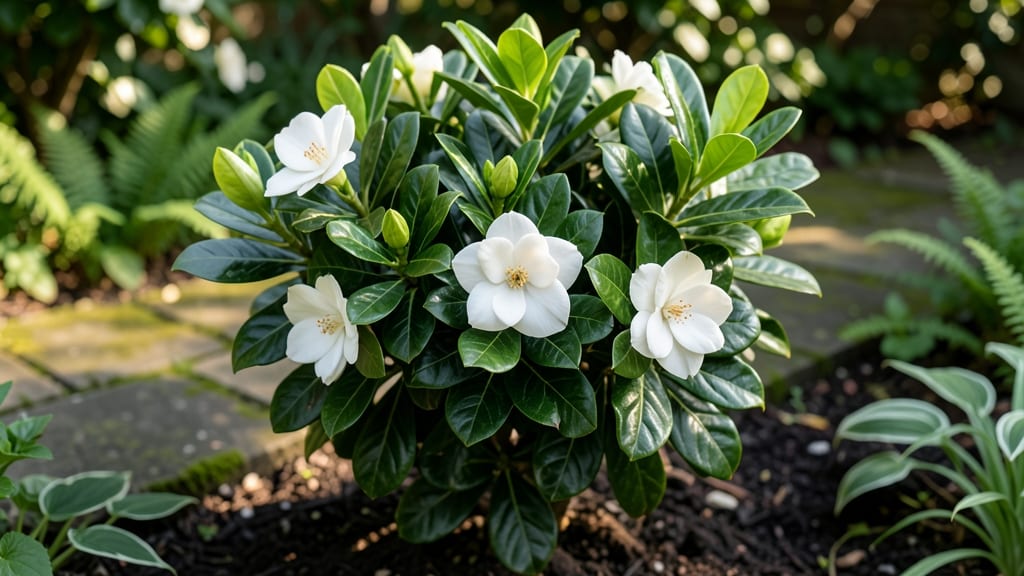
Controlling the gardenia tree height is easier than you think—once you know its natural growth habits and the right pruning tricks.
If you’ve ever wondered why your gardenia tree seems to grow either sky-high or stubbornly compact, the answer lies in pruning—and understanding its natural growth patterns. Mastering gardenia tree height control can transform your gardenia from a wild, unruly shrub into a perfectly manicured focal point.
Most gardenia trees, like the classic Gardenia jasminoides, reach 6 to 15 feet tall if left unchecked, but with smart pruning, you can keep them as compact as 3 to 5 feet.
Whether you’re growing it as a shrub or a small tree, the key is timing and technique.
In this guide, I’ll break down how fast gardenia trees grow, the best pruning methods to shape them, and how to avoid common mistakes that make them grow too tall. Ready to take control of your gardenia’s height?

Natural gardenia tree height: how fast and tall do they grow?
If you’ve planted a gardenia tree, you’ve likely noticed how dramatically its height can vary—some grow tall and leggy while others stay compact. These differences aren’t random; they’re influenced by the species, growing conditions, and natural growth habits of your gardenia.
Understanding these factors helps you set realistic expectations and plan your garden layout accordingly.
The most common gardenia variety, Gardenia jasminoides, typically grows as a shrub or small tree, reaching heights between 6 to 15 feet at maturity.
However, its growth rate and final height depend heavily on whether it’s grown in the ground or a container, as well as your local climate and soil conditions. For example, gardenias thrive in USDA Zones 6-10, where warm, humid summers accelerate growth.
Gardenia augusta, another popular variety, often stays shorter, maxing out around 8 feet in ideal conditions. This makes it a favorite for smaller gardens or container growing. Both varieties grow slowly in their first few years, adding only 1-2 feet annually before reaching their mature height in 5-7 years with proper care.
Here’s a quick reference for how different gardenia varieties compare in height and growth habits:
Sunlight plays a critical role in determining how tall your gardenia will grow. Gardenias need partial shade—specifically, morning sun and afternoon shade—to thrive. Too much direct sunlight can stress the plant, causing it to grow taller and leggy as it stretches toward shade.
In contrast, low-light conditions slow growth but may result in a denser, bushier plant with fewer blooms.
The soil type also impacts height. Gardenias prefer well-draining, acidic soil with a pH of 5.0–6.5. Heavy, clay soil can stunt growth or cause root rot, while nutrient-rich, loamy soil encourages healthier, faster growth.
Amending your soil with compost or peat moss can help create the ideal environment for compact, vigorous growth.
Climate is another key factor. In humid, tropical climates like Florida or Hawaii, gardenias grow faster and taller due to year-round warmth. In cooler climates (e.g., Zone 6), growth slows significantly, and gardenias may stay shorter unless protected from frost.
If you live in a colder zone, consider growing gardenias in containers so you can move them indoors during winter.
Container-grown gardenias will naturally stay shorter and more compact than those planted in the ground, often reaching only 3–6 feet in height. However, their growth rate can accelerate if they’re overpotted or lack sufficient root space.
To keep a container gardenia at a manageable height, choose a pot that’s only 1–2 inches larger than the plant’s root ball and prune regularly to encourage bushiness.
If you’re aiming for a taller gardenia tree, avoid heavy pruning and ensure the plant receives adequate sunlight and nutrients. For a shorter, hedge-like appearance, prune in late winter or early spring before new growth begins.
This timing allows the plant to recover quickly and maintain its shape throughout the growing season.
Remember, gardenias are slow growers compared to many other shrubs, so patience is key. With the right care and conditions, your gardenia will reach its full potential—whether that’s a towering specimen or a neat, compact shrub—while rewarding you with fragrant blooms all summer long. 🌸
Pruning techniques to control gardenia tree height: step-by-step guide
Controlling your gardenia tree height starts with understanding its natural growth habits. These plants can reach 6-15 feet if left unchecked, but strategic pruning can shape them into compact shrubs or manage their towering growth.
The key is timing—prune at the right season and use the correct techniques to avoid stressing the plant.
Before grabbing your pruning shears, gather the essentials: sterilized tools, sharp pruners, and a clean cloth for wiping sap. Gardenias respond best to light pruning in early spring or after flowering, but heavy pruning should only happen in late winter when the plant is dormant.
Let’s break down the process step-by-step for compact growth or height reduction.
Step-by-Step Pruning Guide for Gardenia Tree Height
-
Step 1: Choose Your Goal
- For compact growth, aim for 3-5 feet by pruning new growth regularly.
- To reduce height, target overgrown branches at 1/3 of their length.
-
Step 2: Identify Branches to Prune
- Remove dead or crossing branches first—they hinder airflow and attract pests.
- Cut back overly long branches to just above a leaf node or bud.
-
Step 3: Use the Right Tools
- For thin branches, use bypass pruners for clean cuts.
- For thicker branches, switch to loppers or a handsaw.
-
Step 4: Make Clean Cuts
- Cut at a 45-degree angle 1/4 inch above a bud to encourage outward growth.
- Avoid tearing the bark—this invites disease.
-
Step 5: Prune for Shape
- For a hedge-style gardenia, trim outer branches evenly to maintain symmetry.
- To reduce height, focus on top branches first, then work downward.
-
Step 6: Post-Pruning Care
- Apply fungicide to cuts to prevent infection.
- Water deeply and mulch around the base to reduce stress.
-
Step 7: Monitor Growth
- Check for new shoots every 2-3 weeks and prune as needed.
- Avoid over-pruning—gardenias bloom on new wood, so balance is key.
After pruning, your gardenia will focus energy on new growth rather than vertical expansion. If you’re aiming for a hedge-style gardenia, repeat pruning every 4-6 weeks during the growing season. For height reduction, a single session in late winter may suffice, but monitor progress closely.
Remember, gardenias are sensitive to over-pruning, which can stunt flowering. Limit cuts to no more than 1/3 of the plant’s foliage per session. With patience and precision, you’ll achieve the perfect gardenia height for your garden’s vision. 🌿