
Size
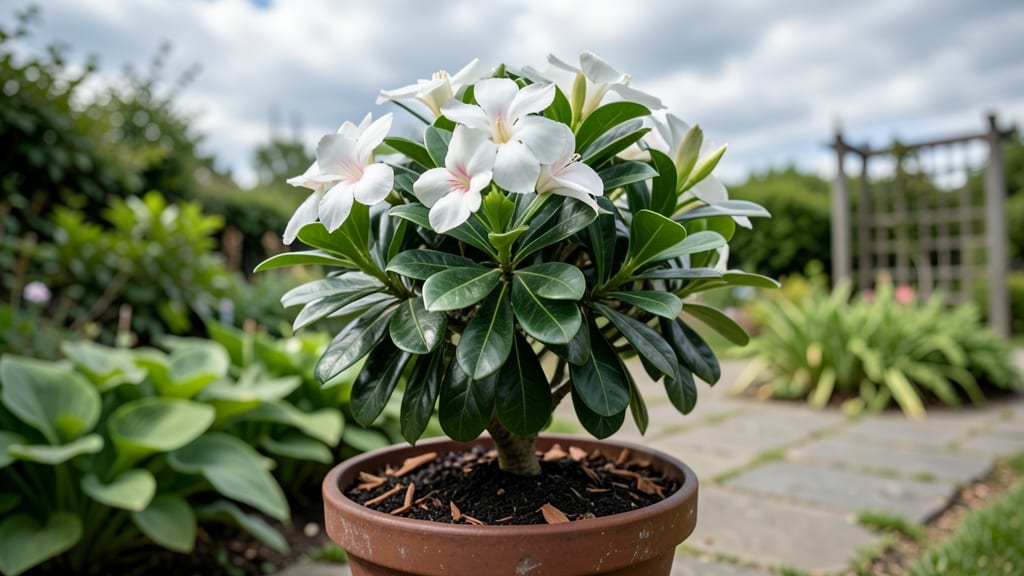
Gardenias grow between 3 and 6 feet tall at maturity, with a spread that can reach nearly as wide—though some varieties stay compact, while others stretch toward the sky.
If you’ve ever dreamed of filling your garden with fragrant, creamy-white blooms, gardenias are a top choice—but knowing how big they’ll grow is key to planning your landscape.
These tropical favorites thrive in USDA Zone 6a and beyond, but their size varies wildly depending on the variety, pruning habits, and even where you plant them.
Below, I’ll break down the exact mature sizes for popular gardenias, how to control their growth, and the spacing secrets that keep them lush without overpowering your space.


Gardenia mature size by variety: from compact to giant
When planning your garden, knowing how big your gardenias will grow is essential for creating the perfect layout. Gardenias are stunning evergreen shrubs known for their fragrant white blooms, but their mature size varies dramatically by variety.
Some stay small enough for containers, while others can become towering garden centerpieces. Let’s explore the range of gardenia sizes so you can choose the perfect fit for your space.
Most gardenias fall into three size categories: compact (dwarf varieties), medium (standard types), and large (giant varieties). The most common gardenia, Gardenia jasminoides, typically reaches 4 to 6 feet tall and wide, but with proper pruning, you can keep it smaller.
Meanwhile, some rare varieties like Gardenia augusta can grow even taller, while dwarf types like Gardenia radicans stay under 3 feet—ideal for small gardens or containers.
Climate plays a huge role in how big your gardenia grows. In warmer USDA zones (8-11), gardenias thrive and reach their full potential size. But in cooler zones (6-7), growth may slow, and plants might stay smaller unless you provide winter protection. Additionally, pruning habits can drastically alter a gardenia’s shape and size—regular trimming encourages bushier growth and prevents legginess.
Here’s a quick look at how different gardenia varieties compare in size, so you can visualize which will work best in your garden:
| Variety | Mature Height | Mature Width | Best For | Notes |
|---|---|---|---|---|
| Gardenia radicans (Cape Jasmine) | 2–3 ft | 3–4 ft | Containers, small gardens | Dwarf variety; great for patios |
| Gardenia jasminoides (Common Gardenia) | 4–6 ft | 4–6 ft | Hedges, borders, large gardens | Most popular; prune for size control |
| Gardenia augusta (Wild Gardenia) | 6–10 ft | 6–10 ft | Large landscapes, tropical gardens | Fast-growing; needs space |
| Gardenia fortuniana (Fortune’s Gardenia) | 3–5 ft | 3–5 ft | Small gardens, foundation plantings | Compact; great for borders |
| Gardenia tabucensis (Tabua Gardenia) | 8–12 ft | 8–12 ft | Tropical gardens, large estates | Tallest variety; slow-growing |
If you’re growing gardenias in containers or small spaces, choose dwarf varieties like Gardenia radicans or Gardenia fortuniana. These stay under 3 feet tall and are perfect for patios, balconies, or even as bushy foundation plants.
For larger gardens, Gardenia jasminoides is a versatile choice—it can be pruned into a hedge or left to grow naturally as a specimen plant.
In cooler climates (USDA zones 6-7), gardenias may grow more slowly and stay smaller unless you provide winter protection. Wrap the plant in burlap or use a frost cloth to shield it from cold snaps.
Even in mild winters, pruning in late winter helps encourage new growth and keeps the plant compact and bushy rather than leggy.
One of the biggest mistakes gardeners make is underestimating how fast gardenias can grow when given ideal conditions. A Gardenia jasminoides left unpruned can quickly outgrow its space, becoming overcrowded and prone to disease.
To maintain the perfect size, prune in late winter or early spring before new growth begins. Remove dead or overcrowded branches first, then shape the plant by cutting back up to one-third of the growth if needed.
For a neat, manicured look, prune gardenias into a rounded or box shape. If you want a more natural, wild appearance, simply trim back wayward branches and let the plant grow freely.
Just remember: regular pruning is key to keeping your gardenia at your desired size while ensuring it stays healthy and blooms abundantly.
Whether you’re dreaming of a fragrant hedge or a compact container plant, choosing the right gardenia variety—and understanding how it will grow—is the first step to success. With the right care, your gardenia can
How to control gardenia size: pruning, spacing, and variety selection
Gardenias thrive when their growth is managed thoughtfully, especially since their mature size can vary dramatically. The right pruning techniques, spacing strategies, and variety selection can transform a sprawling shrub into a compact, blooming beauty—or vice versa.
If you're working with limited space, dwarf varieties like G. radicans are perfect for containers, while larger types like G. jasminoides excel as hedges or specimen plants.
Start by understanding your gardenia's growth habits. Most varieties grow 3 to 6 feet tall and 3 to 5 feet wide, but without proper care, they can easily outgrow their intended space.
For example, a standard gardenia left unchecked can reach 8 feet or more, while a container-grown variety may stay under 2 feet tall with regular pruning. The key is balancing their natural growth with your garden’s layout.
Pruning is the most effective way to control gardenia size. The best time to prune is right after flowering, typically in late spring or early summer. This allows the plant to recover before winter dormancy. Use sharp, clean pruners to make cuts just above a leaf node or bud.
For shaping, focus on removing overcrowded branches and dead or diseased wood first. If your gardenia is too leggy, you can also lightly trim back the longest stems to encourage bushier growth.
Spacing plays a crucial role in gardenia health and size. Plant dwarf varieties like G. radicans 12 to 18 inches apart in containers or small garden beds. For standard gardenias, space them 4 to 6 feet apart to allow airflow and prevent fungal diseases like powdery mildew.
Proper spacing also ensures each plant gets enough sunlight, which is essential for vigorous blooming. If you're planting multiple gardenias, consider their mature width to avoid overcrowding.
Choosing the right variety is the first step in controlling size. Container gardenias, such as G. radicans, stay compact and are ideal for patios or small gardens. Hedge varieties, like G. jasminoides, grow taller and wider, making them perfect for privacy screens or formal landscapes.
If you're unsure, start with a semi-dwarf variety, which typically reaches 3 to 4 feet tall and offers flexibility for pruning. Always check the plant tag or research the variety before purchasing.
Finally, don’t forget that soil quality and fertilization impact growth. Gardenias thrive in acidic, well-draining soil with a pH of 5.0 to 6.5.
Use a balanced fertilizer (like 10-10-10) in early spring to encourage healthy growth, but avoid over-fertilizing, which can lead to leafy growth at the expense of blooms. Mulch around the base of the plant to retain moisture and regulate soil temperature, which helps maintain a steady growth rate.