
Planting
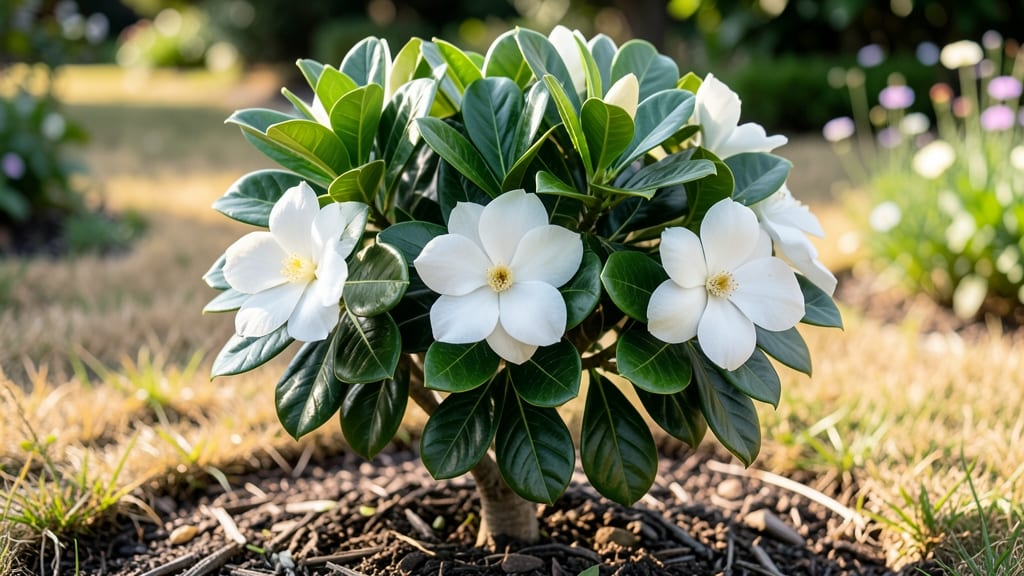
Growing gardenias in Zone 5 means choosing frost-tolerant varieties like 'Kleim’s Hardy’ or ‘Radicans,’ insulating plants during winter, and maintaining consistently moist but well-draining soil. Heavy mulching and avoiding late-season pruning help protect them from freezing temperatures.
Zone 5 gardeners face a unique challenge because traditional gardenias are tropical plants that typically thrive in warmer climates. 🌱 The key to success lies in selecting hybrids bred for colder tolerance, which can withstand temperatures down to -15°F when properly protected.
Unlike their tropical cousins, these hardy varieties enter dormancy in winter, making them better suited for northern gardens. I’ve found that combining the right plant selection with smart winter care—like wrapping plants in burlap and using thick mulch—can make all the difference in keeping gardenias alive through harsh winters.
Another critical factor is soil preparation. Gardenias need slightly acidic, well-draining soil to prevent root rot, but they also require consistent moisture. In Zone 5, this means monitoring soil moisture more carefully during dry spells while ensuring proper drainage to avoid waterlogging during winter thaws.
💡 In This Article
- Cold-Hardy Gardenia Varieties for Zone 5 Climates
- Winter Protection Strategies for Zone 5 Gardenias
Cold-hardy gardenia varieties for Zone 5 climates
Zone 5 gardeners need gardenia varieties that can handle temperatures dropping to -15°F without permanent damage. The most reliable options are hybrids like 'Kleim’s Hardy' and 'Radicans,' which were specifically bred to survive northern winters.
These varieties differ from tropical gardenias in their genetic makeup—they've been crossbred with cold-tolerant species like Gardenia jasminoides varieties that naturally occur in higher elevations. What sets them apart is their ability to enter dormancy during winter, which significantly reduces frost damage to their delicate foliage.
The key difference lies in their growth habits: cold-hardy gardenias grow more slowly and develop thicker stems that can better withstand freezing temperatures. For example, 'Kleim’s Hardy' typically reaches 4-6 feet in height with a spread of 3-4 feet, while tropical varieties can grow much taller and more delicate.
These hardy varieties also bloom slightly later in the season—usually from mid-to-late summer—which helps them avoid early fall frosts that can damage new growth. The flowers themselves are just as fragrant as tropical varieties, with that signature creamy white bloom and intoxicating scent.
Another important consideration is their root structure. Cold-hardy gardenias develop deeper, more extensive root systems that can better access moisture and nutrients during the growing season, which helps them recover more quickly from winter stress.
This is particularly important in Zone 5, where winter thaws can create alternating freeze-thaw cycles that damage shallow roots. The deeper roots also make these varieties more resilient to drought conditions that might occur during summer months when they're actively growing and blooming.
When selecting plants, look for nursery-grown specimens labeled as "cold-hardy" or "Zone 5 tolerant." These plants have often been pre-hardened through gradual exposure to cooler temperatures, which helps them acclimate better to northern climates.
Avoid tropical gardenias sold for warmer zones—they'll likely succumb to winter damage even with the best protection strategies. The scent difference is minimal, but the survival rate makes these hardy varieties worth seeking out for Zone 5 gardeners.
One variety worth special mention is 'Radicans,' which can tolerate even colder conditions than 'Kleim’s Hardy.' This variety has shown remarkable resilience in garden trials, often surviving temperatures down to -20°F with proper protection.
Its compact growth habit makes it particularly suitable for container gardening in colder microclimates, where you can move pots to sheltered locations during winter. The trade-off is slightly smaller blooms, but the increased cold tolerance often makes it the better choice for northern gardeners.
Remember that even cold-hardy varieties need proper siting and care to perform well. Plant them in locations with afternoon shade to protect them from intense summer sun that can stress the plants, and choose spots with good air circulation to prevent fungal diseases that thrive in humid Zone 5 summers.
The right variety combined with proper placement sets the foundation for successful gardenia growing in colder climates.