
Vegetables
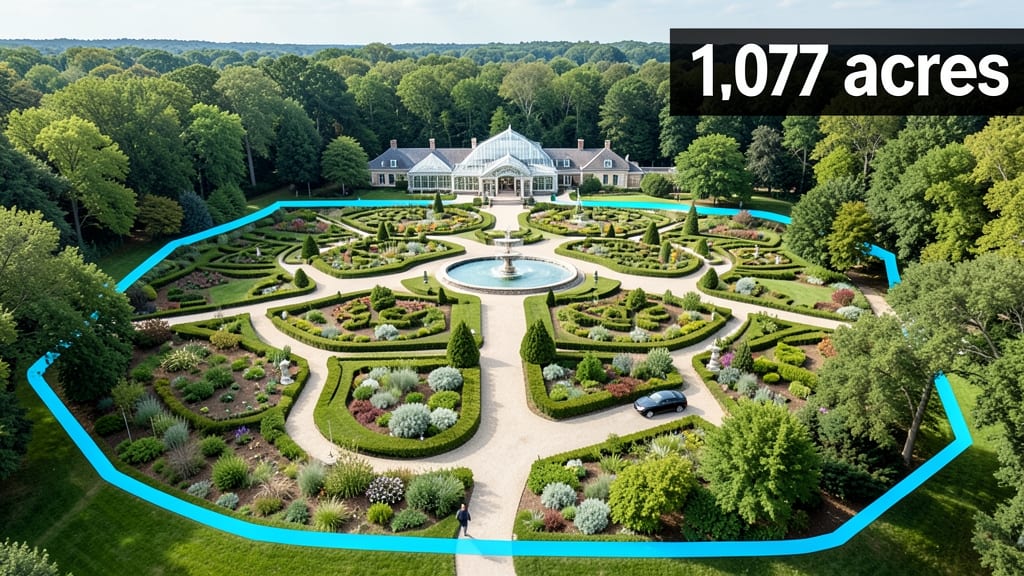
Longwood Gardens covers 1,066 acres in Kennett Square, Pennsylvania, blending 21 acres of meticulously designed gardens with sprawling woodlands, meadows, and greenhouses that preserve both cultivated beauty and natural habitats.
This massive estate isn't just about its sheer size—it's about how those acres are thoughtfully divided.
The 21 acres of formal gardens showcase iconic designs like the Fountain Garden, while the remaining 1,045 acres protect diverse ecosystems, from peony trails to protected woodlands. 🌿 What makes this layout special is how it balances human enjoyment with conservation, creating a space where visitors can explore both manicured artistry and untouched nature in a single day.
For perspective, that's roughly 1.7 square miles—about 100 times larger than the average botanical garden. This scale means you'll need at least 4-6 hours to experience the highlights, especially during peak bloom seasons when every section offers something unique.
The estate's size also means fewer crowds in the woodlands compared to the formal gardens, giving photographers and nature lovers more flexibility to capture their ideal shots.
💡 In This Article
- Longwood Gardens’ Total Land Breakdown by Sections
- Why Longwood Gardens’ Size Matters for Visitors
Longwood gardens’ total land breakdown by sections
Longwood Gardens’ 1,066 acres are meticulously divided into distinct sections that serve both horticultural and conservation purposes. The most iconic portion is the 21 acres of formal gardens, where you’ll find the legendary Fountain Garden (spanning 10 acres)—the largest fountain complex in the world.
This section alone requires 1,200 gallons of water per minute during peak operation, creating a sensory experience with its cascading waterfalls and geometric designs.
The remaining 1,045 acres are dedicated to natural habitats, including over 400 acres of woodlands that preserve mature hardwood forests with species like white oak and red maple.
These woodlands act as a carbon sink, sequestering approximately 1,500 metric tons of CO₂ annually through photosynthesis. 🌲 The estate also includes 50+ acres of meadows, which support native pollinators like monarch butterflies and provide seasonal wildflower displays that shift from spring crocuses to fall asters.
One of the most unique features is the 12 miles of peony trails, which wind through 10 acres of dedicated peony gardens—the largest collection in the U.S. These trails open only during peak bloom (typically May-June), when over 1,000 peony varieties burst into color.
The estate’s greenhouses (covering 3 acres) further expand its biodiversity, housing rare plants from tropical orchids to desert cacti, all maintained at precise temperature and humidity levels.
The conservation areas are equally impressive, with protected wetlands that filter runoff and wildlife corridors connecting fragmented habitats. These spaces host over 200 bird species, including rare visitors like the wood thrush.
The estate’s scale allows for low-impact tourism—while the formal gardens see 2 million annual visitors, the woodlands remain relatively quiet, offering a chance to hear the calls of woodpeckers and owls without disturbance.
What’s fascinating about this layout is how the estate uses topography to separate experiences. The formal gardens sit on the highest elevation, creating dramatic vistas, while the woodlands descend into valleys and streams that support aquatic ecosystems.
This intentional design ensures visitors can transition seamlessly from structured beauty to untamed nature without backtracking.
For those planning a visit, this breakdown explains why a half-day visit only scratches the surface. The formal gardens can be explored in 2-3 hours, but the woodlands and meadows require dedicated time—especially if you’re seeking photography spots or quiet reflection areas.
The estate’s accessibility features, like paved trails and wheelchair-friendly paths, ensure all sections are navigable, though the woodlands’ uneven terrain may challenge some mobility aids.