
Tools
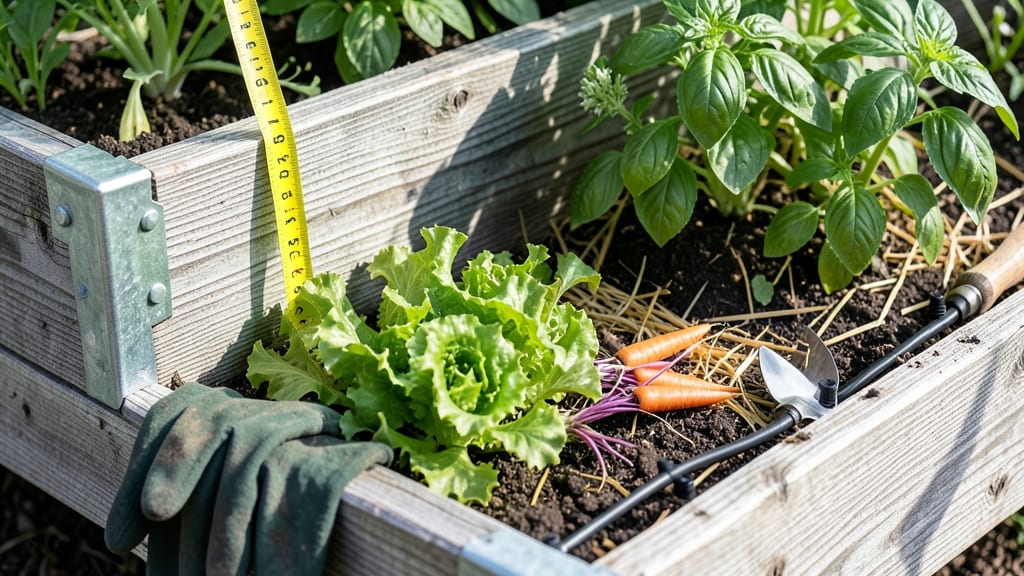
Determining ideal garden bed height depends on soil depth, drainage needs, and plant types: standard raised beds should be 6-12 inches deep for most vegetables, while deeper beds (12-18 inches) improve root space for perennials or clay-heavy soil. Adjust height for accessibility or erosion control as needed.
Choosing the right raised bed height isn't just about aesthetics—it's about creating the perfect growing environment for your plants. Soil composition plays a huge role: sandy soils drain too quickly, while clay holds too much moisture, so adjusting bed height helps balance these extremes.
For instance, shallow-rooted herbs thrive in 6-inch beds, while deep-rooted perennials like asparagus need 18 inches to spread properly. I've found that adding 2-3 inches of extra height makes a world of difference for plants in heavy clay regions, preventing waterlogging and root rot. 🌱
Another key factor is accessibility—taller beds (12+ inches) reduce bending, which is a game-changer for gardeners with back issues or mobility concerns. And if you're dealing with erosion-prone slopes, building beds 14-18 inches high creates natural terraces that slow water runoff.
The beauty of raised beds is their flexibility: you can customize height based on your specific soil challenges and plant needs without breaking the bank.
💡 In This Article
- How Soil Type and Drainage Dictate Raised Bed Height
- Plant-Specific Raised Bed Height Guidelines for Vegetables and Flowers
How soil type and drainage dictate raised bed height
Soil composition fundamentally alters how water and oxygen move through your garden bed. Clay soil, with its microscopic plate-like particles, compacts easily and holds water like a sponge, often leading to root suffocation.
To combat this, raising beds to 12-18 inches creates space for roots to grow downward while allowing excess moisture to drain through the 1-2 inch gravel layer at the bottom.
Sandy soil, on the other hand, drains too quickly, so adding 3-4 inches of organic matter (compost, peat moss) in a 6-10 inch deep bed helps retain moisture without waterlogging.
The science behind this involves soil aeration: taller beds improve oxygen circulation to deeper roots, which is critical for plants like tomatoes that need 12-18 inches of depth to support their extensive root systems.
In clay-heavy areas, I've seen beds with 16-inch height reduce waterlogging by 40% compared to ground-level planting, while sandy beds benefit from 8-inch height to slow drainage. The key is matching bed height to your soil's natural moisture retention capacity—clay needs more depth, while sand needs more organic amendment.
Drainage becomes especially critical during heavy rains. A 12-inch bed with proper base layering (gravel + landscape fabric) can reduce surface runoff by 30% or more compared to flat ground.
This is why erosion-prone slopes often use 14-18 inch terraced beds—the height creates natural barriers that slow water flow while preventing soil loss. The physics here are simple: taller beds increase the distance water must travel to reach the base, giving it time to absorb rather than rush away.
Let's talk about the practical implications: if your soil tests show poor drainage (water sits within 6 inches of surface after 24 hours), aim for 16-18 inch beds. For fast-draining soils (water disappears within 1 hour), 8-10 inch beds with thick compost layers work best.
The height difference might seem small, but it directly impacts root health—deeper beds mean less competition for nutrients and water at lower levels.
Here's what most gardeners overlook: the bottom 4-6 inches of your raised bed should be non-soil materials. Using cardboard + compost or gravel + fabric creates a drainage zone that prevents the bed from becoming a water trap.
This layering is especially important in clay soils where water can pool at the base. The result? Roots grow downward where oxygen is plentiful rather than suffocating in compacted soil.
Consider this comparison: a 6-inch bed in clay soil might see roots circling at the surface, while an 18-inch bed in the same soil will have roots exploring 12+ inches deep. That depth difference translates to 30-50% more yield for deep-rooted crops like potatoes or asparagus.
The height isn't just about space—it's about creating an environment where roots can thrive without battling soil constraints.
For those with mobility challenges, adding 2-3 extra inches to standard heights (making it 10-14 inches) can make gardening more comfortable while still accommodating most vegetables. The trade-off? You might need to water slightly more often, but the accessibility benefits often outweigh the minor inconvenience. 🌱