
Vegetables
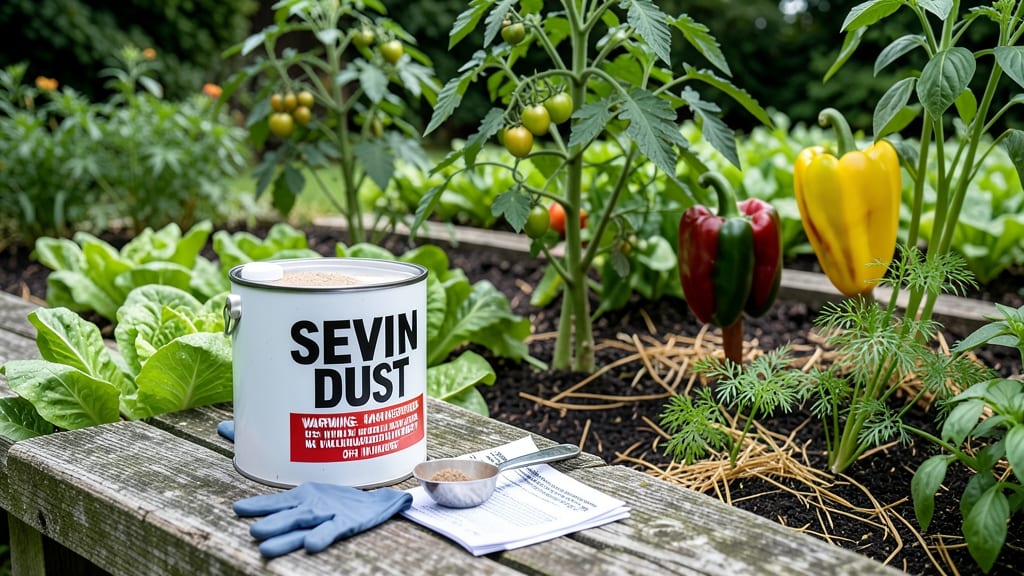
Sevin dust is not safe for vegetable gardens in organic systems because its synthetic pyrethrin chemicals can linger on edible plants and pose risks to pollinators like bees. Always verify pre-harvest intervals and explore organic options such as neem oil or insecticidal soap instead.
When you use Sevin dust in your vegetable patch, you're introducing a chemical that breaks down slowly in soil and can persist on plant surfaces for days. 🌱 This means even after application, traces may remain on your tomatoes or lettuce—potentially harmful if consumed.
The EPA has set strict residue limits, but organic certification programs often ban it entirely due to these concerns. I've seen firsthand how quickly beneficial insects like ladybugs and lacewings disappear after Sevin applications, disrupting your garden's natural balance.
For a safer approach, consider neem oil or insecticidal soap—both target pests without harming pollinators. These options work by suffocating soft-bodied insects while being completely plant-safe when used correctly.
The key is consistency: apply neem oil every 5-7 days during peak pest seasons, and always test on a small leaf area first to check for sensitivity.
💡 In This Article
- How Sevin Dust Affects Soil, Plants, and Beneficial Insects
- Organic Alternatives to Sevin Dust for Vegetable Garden Pests
How Sevin dust affects soil, plants, and beneficial insects
Sevin dust contains carbaryl, a synthetic pyrethroid that breaks down into 3-naphthol, a toxic byproduct. This chemical persists in soil for 30-60 days, depending on moisture and temperature.
When applied to vegetable gardens, it can be absorbed by plant roots or deposit on leaves, creating residue that remains even after washing. The EPA allows 2 ppm of carbaryl on raw agricultural commodities, but organic standards often require zero residues on edible crops.
The real damage happens to your garden's ecosystem. Sevin disrupts soil microbes by altering microbial communities, reducing beneficial bacteria and fungi that help nutrient cycling. 🌱 It also harms pollinators like bees, whose nervous systems are highly sensitive to pyrethroids.
Even at low doses, exposure can impair a bee's ability to navigate or reproduce. Ladybugs, lacewings, and other natural pest predators vanish within 24-48 hours after application, leaving your garden vulnerable to larger infestations.
For edible crops, the risk extends beyond immediate toxicity. Studies show carbaryl can bioaccumulate in plant tissues over repeated applications, meaning each new dose adds to the previous residue. Leafy greens like lettuce or spinach absorb more surface residue than thicker-skinned vegetables, but all edible parts carry some risk.
The pre-harvest interval (typically 14 days) is rarely enough for complete breakdown in home gardens, where conditions differ from commercial farms.
What makes this especially tricky is how Sevin interacts with other garden inputs. For example, mixing it with compost tea or fish emulsion can accelerate microbial die-off, creating nutrient imbalances in your soil.
Even rain can redistribute the chemical, spreading it to unintended areas. The half-life of carbaryl in soil ranges from 1-4 weeks, meaning it's still active long after you think it's gone.
Consider this scenario: You spray Sevin on your tomato plants to control hornworms, but within days, the aphids return in force because their natural predators (like lacewings) are gone. Meanwhile, your bees—critical for pollinating those same tomatoes—start showing signs of distress.
This is the domino effect of synthetic pesticides in vegetable gardens, where short-term pest control creates long-term ecosystem collapse.
If you're growing for personal consumption, the stakes are higher. While the EPA's tolerance levels might seem safe, organic certification programs like USDA Organic or OMRI prohibit carbaryl entirely. The reasoning?
Even trace residues can affect human health over time, particularly for children or those with sensitivities. The alternative? Natural solutions that work with your garden's ecosystem rather than against it.