
Fertilization
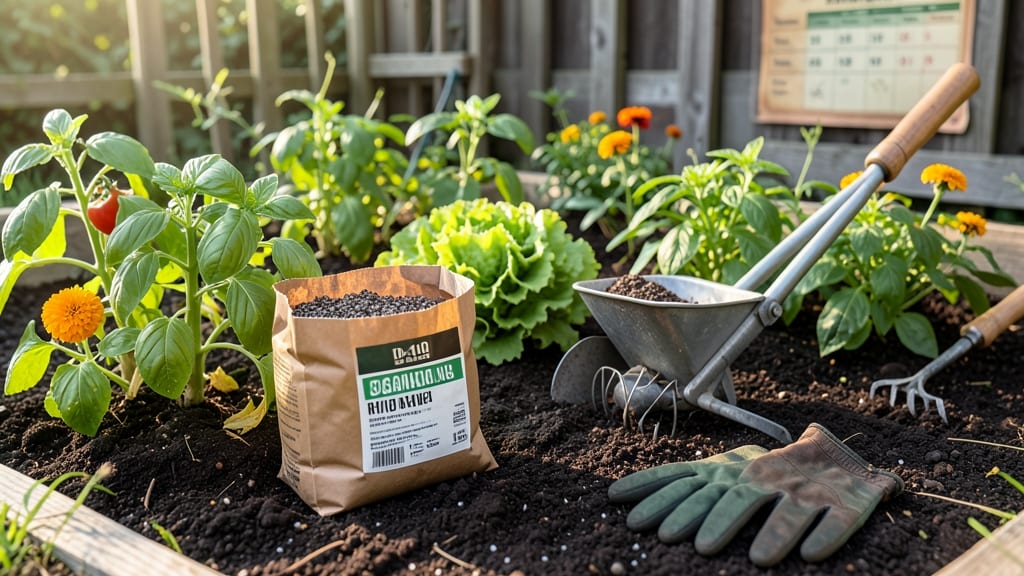
The best time to fertilize your garden depends on soil temperature and plant growth stages—spring and fall are your prime windows for maximum uptake and minimal waste.
Timing your garden fertilization perfectly can mean the difference between lush, thriving plants and wasted nutrients—or even burned roots. But when exactly should you feed your soil for maximum growth?
For most General Garden plants in Zone 6a, the ideal moments are right after the last frost (around March-April) and again in early fall (late August-September) before cooler weather slows growth. This aligns with when roots are most active and hungry for nutrients.
Below, I’ll break down the science behind soil-warming triggers, plant-specific schedules, and how to avoid common mistakes—so you can fertilize like a pro and watch your garden thrive.

Optimal soil temperature and seasonal triggers for fertilizer uptake
Fertilizer uptake isn't just about what you add to your soil—it's also about when you add it. Roots absorb nutrients most efficiently when soil temperatures reach 50°F (10°C) or warmer.
Below this threshold, microbial activity slows, and plants struggle to utilize nutrients, leading to wasted fertilizer and potential root burn.
Spring is the prime time for most gardens because soil warms naturally as days lengthen. However, fall fertilization can also work for cool-season crops like kale or spinach, provided temperatures stay above 45°F (7°C). The key is understanding your USDA hardiness zone and local frost dates.
For example, in Zone 6a (like many northern U.S. regions), soil typically hits 50°F (10°C) by mid-April, making early May the ideal window for fertilizing warm-season crops like tomatoes or peppers. In warmer zones (e.g., Zone 9a), you might fertilize as early as February.
Regional climate plays a huge role. Coastal areas with milder winters may see earlier soil warming than inland regions. Meanwhile, high-altitude gardens often experience cooler soils for longer, delaying fertilization by 2-4 weeks compared to nearby lowland areas.
Testing soil readiness is simple. Use a soil thermometer (available for under $10) to check temperatures at 4-inch depth, where most roots feed. For organic fertilizers like compost or manure, aim for 55°F (13°C)—warmer soil speeds microbial breakdown, releasing nutrients faster.
Synthetic fertilizers dissolve quickly, so they can be applied slightly earlier (45°F/7°C), but slow-release options (like coated granules) work best at 55°F (13°C) or above. The goal is to align fertilization with your plants' active growth phases, not just calendar dates.
| Season | Soil Temp Trigger | Best Fertilizer Type | Plants to Feed | Avoid Fertilizing |
|---|---|---|---|---|
| Early Spring (March-April) | ≥45°F (7°C) | Slow-release organics | Cool-season veggies, perennials | Warm-season crops (tomatoes, peppers) |
| Late Spring (May) | ≥55°F (13°C) | Balanced NPK (10-10-10) | Warm-season veggies, flowers | Dormant perennials |
| Summer (June-August) | ≥60°F (16°C) | Low-nitrogen (5-10-10) | Fruiting plants, bloomers | Stressed plants (wilting, pests) |
| Fall (September-October) | ≥50°F (10°C) | Organic matter (compost) | Cool-season crops, perennials | Annuals nearing end |
| Winter (November-February) | ≤40°F (4°C) | None (dormancy) | None | Frozen or thawing soil |
Even in ideal conditions, weather patterns can disrupt timing. A late frost or sudden heatwave can throw off your schedule. For example, if spring temperatures spike early but drop back below 50°F (10°C) for a week, hold off on fertilizing until soil stabilizes.
Similarly, in tropical climates, soil may stay warm year-round, allowing for year-round fertilization with proper moisture management.
Pro tip: Pair your soil thermometer with a moisture meter to ensure roots have access to water when nutrients are available. Dry soil can "lock out" fertilizers, making them inaccessible to plants. Aim for consistently moist (not soggy) soil when applying feed.
For container gardens, soil warms faster than in-ground beds because pots absorb heat from all sides. Monitor these closely, as they may need fertilization 1-2 weeks earlier than ground-planted crops. Just be cautious—container soil dries out quicker, so always water thoroughly after fertilizing.
Plant-specific fertilizing schedules by growth stage
Fertilizing your garden isn't a one-size-fits-all task—each plant type and growth stage has unique nutrient needs. For example, vegetables like tomatoes need heavy feeding during fruiting, while flowers like roses thrive with balanced nutrients during bud formation.
Understanding these growth phases helps you avoid over-fertilizing, which can damage roots or waste expensive nutrients.
Most gardeners make the mistake of fertilizing dormant plants in winter or overloading young seedlings with too many nutrients. Instead, focus on feeding plants when they're actively growing.
For instance, trees and shrubs should get most of their nutrients in early spring before new growth begins, while annual vegetables benefit from regular feedings throughout the season.
🌱 When to Fertilize by Plant Type & Growth Stage
- 🌱 Seedlings: Light feed at planting (10-10-10) to encourage root growth
- 🌿 Vegetables (Tomatoes, Peppers): Heavy feed every 3-4 weeks during fruiting (5-10-10)
- 🌹 Flowers (Roses, Petunias): Balanced feed every 4-6 weeks during budding (10-10-10)
- 🌳 Trees/Shrubs: Early spring (March) for root growth; skip winter fertilizing
- ❄️ Dormant Plants: Never fertilize—roots are inactive and can't absorb nutrients
- 🌱 Herbs (Basil, Cilantro): Light feed every 6 weeks; avoid high nitrogen during flowering
For vegetables like tomatoes, I recommend a high-phosphorus fertilizer (like 5-10-10) when flowers appear to encourage fruit set. Meanwhile, leafy greens such as lettuce prefer low-nitrogen feeds to prevent bitter flavors. Always water thoroughly after fertilizing to help nutrients reach the roots and reduce burn risk.
Trees and shrubs are different—they store nutrients in their roots and stems, so one heavy feeding in early spring is often enough. For example, fruit trees like apple or peach should get a balanced fertilizer in March, followed by a light top-dressing in June to support summer growth.
Avoid fertilizing in late summer or fall, as new growth won't harden off before winter.
If you're growing container plants, they need more frequent feeding—every 2-3 weeks during the growing season—because nutrients wash out faster. Use a water-soluble fertilizer diluted to half-strength to prevent root damage.
For perennials like lavender or coneflowers, a single spring feeding with compost or slow-release granules is usually sufficient.
Remember, organic fertilizers like compost or worm castings release nutrients slowly, making them ideal for most plants. They won’t cause burn like synthetic fertilizers, but they require advance planning—work them into the soil 4-6 weeks before planting.
For fast results, use a liquid seaweed fertilizer during flowering to boost pollination and fruit development.