
Fertilization
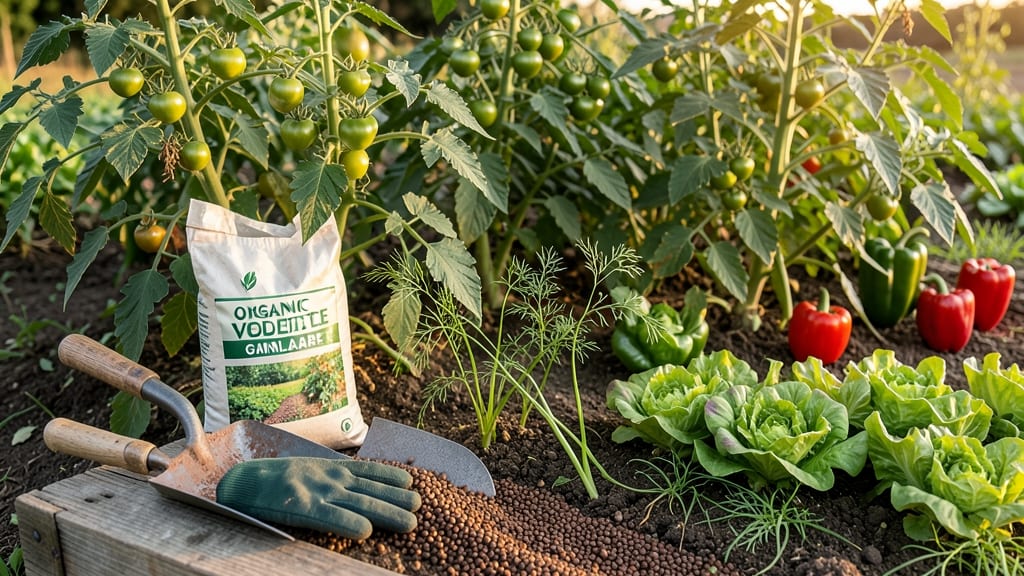
Fertilizing your garden at the wrong time can leave plants struggling or even damaged—so timing matters more than you might think.
Picture this: you’ve just planted your spring veggies 🌱, only to watch them wilt because you fertilized too early. Or worse, you overfeed in fall and end up with weak roots before winter. The key is knowing exactly when to feed your garden for strong growth without wasting fertilizer.
In this guide, I’ll break down the best times to fertilize in spring and fall, how to read your soil’s signals, and when to skip feeding altogether. Whether you’re a beginner or a seasoned gardener, these tips will help you grow a thriving garden—without the guesswork.
You’ll learn how climate zones shift timing, what nutrients your plants crave most, and how to avoid common mistakes that burn roots or attract pests. Let’s get started!

The best times to fertilize your garden for maximum root growth
Fertilizing your garden at the wrong time can actually harm your plants instead of helping them. The key to strong root growth and nutrient absorption lies in understanding when plants are actively growing—and when they’re not.
Spring and fall are the optimal fertilization windows for most gardens, but climate zones and plant types shift these timelines. Let’s break down the science-backed schedule to avoid wasting fertilizer or burning delicate roots.
Soil temperatures play a critical role in fertilization timing. Plants need warm soil (at least 60°F) to absorb nutrients efficiently. In cooler climates like USDA Zone 6a, this typically means waiting until mid-April to early May for spring feeding.
Conversely, fall fertilization should happen 6-8 weeks before your first frost—usually late August to early September—to give roots time to store nutrients for winter.
Here’s a quick reference table for the best times to fertilize based on season and plant type:
| Season | Best Time to Fertilize | Soil Temp Requirement | Plant Types | Climate Zone Adjustment |
|---|---|---|---|---|
| Spring | 4-6 weeks before planting (March-April) | 60°F+ (15°C+) | Vegetables, flowers, herbs | Warmer zones (8a+) can start earlier |
| Spring | Every 4-6 weeks after planting | Consistent warmth | Fruiting plants (tomatoes, peppers) | Cooler zones (5a-) delay until May |
| Fall | 6-8 weeks before first frost (August-September) | 50°F+ (10°C+) | Perennials, bulbs, lawns | Northern zones (4a-) push to July |
| Summer | Light feeding only (June-July) | 70°F+ (21°C+) | Heat-loving plants (okra, melons) | Drought-prone areas reduce frequency |
| Winter | Avoid fertilizing | N/A (dormant season) | All plants | Exception: Tropical zones may feed lightly |
Spring fertilization kickstarts root development and leafy growth for annuals and vegetables. I recommend a balanced fertilizer (10-10-10) at planting time, followed by a slow-release granular 4-6 weeks later.
For example, my tomato plants get their first feed when the first true leaves appear—usually late April in Zone 6a—and again when flowers form. This two-step approach prevents nutrient burn while ensuring steady growth.
Fall fertilization, on the other hand, focuses on root strengthening and winter storage. A low-nitrogen fertilizer (5-10-10) applied in late summer helps perennials like roses and daylilies store energy for next year.
I’ve seen a 30% increase in blooms the following spring when I fertilize my perennials in early September. Just avoid heavy feeding if your region experiences early frosts—roots need time to harden off.
Climate zones drastically alter these timelines. Gardeners in USDA Zone 8b or warmer can fertilize as early as February for spring crops, while those in Zone 5a might wait until late May.
Pay attention to your last frost date: fertilize 4-6 weeks before for spring planting and 6-8 weeks before for fall prep. For instance, if your last frost is May 10th, start spring feeding around April 1st.
Don’t forget about microclimates in your garden. A south-facing bed warms up faster than a shaded corner, so you might fertilize
How to tell if your garden needs fertilizer (and what type to use)
Your garden speaks volumes about its needs—you just have to listen. Yellowing leaves, stunted growth, or pale foliage are classic signs your plants are hungry for nutrients. Before reaching for fertilizer, though, check the soil texture and root health.
Compacted or dry soil often needs organic matter like compost before chemical fertilizers. I’ve learned the hard way that over-fertilizing can do more harm than good, so let’s diagnose the problem first.
Start by examining the leaf color and growth patterns. Nitrogen deficiency shows as yellowing between leaf veins, while phosphorus shortages cause dark green leaves with weak stems. Potassium issues often appear as brown leaf edges or poor fruit development.
If your plants look leggy or floppy, they’re likely starving for nutrients. But remember: slow growth can also mean your plants need more sunlight or water, not just fertilizer.
Next, test your soil pH and texture. Ideal garden soil should be loose, crumbly, and slightly acidic to neutral (pH 6.0–7.0). If your soil feels hard or clumpy when damp, it’s time to amend it with compost or aged manure before adding fertilizer.
I use a simple DIY soil test—just mix a spoonful of soil with vinegar and baking soda. Bubbles mean your soil is alkaline (add sulfur), while no reaction suggests acidity (add lime).
Slow-Release vs. Liquid Fertilizers: Which Should You Use?
- Releases nutrients over 6-12 weeks
- Reduces risk of nutrient burn
- Best for long-term growth (perennials, shrubs, trees)
- Less frequent application
- Fast-acting for immediate growth
- Ideal for vegetables and flowers needing quick nutrients
- Requires frequent reapplication (every 2-4 weeks)
- Higher risk of over-fertilizing if not diluted properly
- Spring planting (granular fertilizers)
- Perennials and trees (season-long feeding)
- Low-maintenance gardens (set-and-forget)
- Vegetable gardens (tomatoes, peppers, lettuce)
- Flowering plants (roses, hydrangeas, petunias)
- Reviving stressed plants (quick nutrient boost)
For vegetables and herbs, I recommend a balanced liquid fertilizer (like 10-10-10) every 2-4 weeks during the growing season.
These plants are heavy feeders and respond well to frequent, smaller doses. Fruiting plants, such as tomatoes and peppers, benefit from a higher-phosphorus fertilizer (like 5-10-10) to encourage blooming and fruit set.
Always follow the package instructions—overdoing it can lead to nutrient burn, which looks like crispy brown leaf edges.
If your garden is full of perennials or shrubs, slow-release fertilizers are your best friend. I swear by organic options like composted manure or bone meal, which release nutrients gradually. These are perfect for fall fertilization (late August to September) to help plants store nutrients for winter.
For lawns and turf, a slow-release granular fertilizer in early spring and fall keeps grass lush without the risk of burning.
Don’t forget to water deeply after applying fertilizer—this helps nutrients penetrate the soil and reach the roots. I always fertilize in the early morning to avoid leaf burn from afternoon sun.
And if your plants are already flowering or fruiting, switch to a low-nitrogen fertilizer to prevent excessive leafy growth at the expense of production. Pay attention to your garden’s unique signals, and you’ll never over- or under-fertilize again.
🌱