
Picking
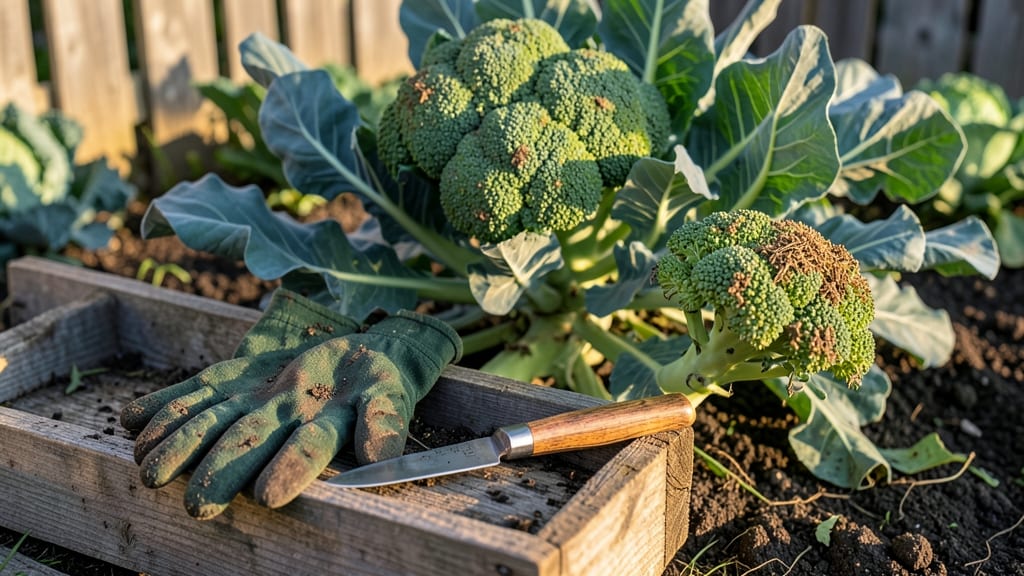
To pick broccoli 🥦 from the garden at the perfect moment means crisp, flavorful heads—no bitter surprises or wasted effort.
Ever cut into a broccoli crown just to find it loose and yellowing at the center? That’s the classic sign you missed the window by even a day or two.
The right timing isn’t just about size; it’s about color, texture, and a little trick called the "snap test" that tells you when to grab your shears.
Most gardeners wait until the head reaches 6–8 inches in diameter, but the real clues are tighter: deep green florets that stay closed and a stem that bends (not snaps) when you give it a gentle tug.
Harvesting in the morning after a light rain also boosts sweetness, while waiting too long turns your prize into a bitter, seed-filled mess.
Below, I’ll walk you through the exact cues to watch for—plus how to salvage overripe heads and maximize your garden’s second flush of side shoots. No more guesswork, just perfect broccoli every time.
How to use the broccoli snap test & color guide for perfect harvest timing
Timing your broccoli harvest correctly transforms your garden into a flavor factory. The difference between crisp, sweet florets and bitter, woody stalks often comes down to a few simple visual cues and physical tests.
I’ve harvested dozens of broccoli plants, and these methods have never failed me—once you learn them, you’ll never second-guess harvest time again.
Broccoli plants typically take 70-90 days to reach maturity, but days-to-harvest labels on seed packets are just starting points. Environmental factors like temperature swings, water availability, and sunlight exposure can shift that window by weeks. That’s why relying on the plant itself—not just a calendar—is your best strategy.
Here’s the step-by-step method I use every season to determine when my broccoli is perfectly ripe and ready for the cutting board. These techniques work for Calabrese, Romanesco, and Purple Sprouting varieties, though I’ll note any variety-specific tweaks along the way.
Look for a main head that’s 6-8 inches in diameter. Smaller heads (under 5 inches) are often underdeveloped, while larger ones may start to yellow at the edges—a sign of overripeness.
Gently bend a floret stem near the base. If it snaps cleanly (not breaks or feels rubbery), the head is ready. A woody or flexible stem means it needs more time.
The deepest green color indicates peak sweetness. Avoid heads with yellowing florets or brown spots, which signal bolting or pest damage. Purple Sprouting varieties should have a vibrant purple hue with no green streaks.
The buds should be tightly closed, like a tightly coiled spring. If they’re spreading apart or opening into tiny yellow flowers, the head has passed its prime. For Romanesco, the fractal patterns should be fully formed and crisp.
Pick broccoli on a cool morning after dew has dried but before the midday heat. This preserves crispness and sweetness. Use a sharp knife or pruners to cut the stem 1-2 inches above the base—this encourages side shoots to grow for a second harvest.
One mistake I see new gardeners make is waiting too long because they assume bigger heads are better. But once broccoli starts bolting (sending up a tall flower stalk), the flavor turns bitter, and the texture becomes tough and stringy.
I’ve even had readers ask how to fix overripe broccoli—sadly, there’s no saving it for fresh eating, though you can blanch and freeze it for later use.
Another common error is harvesting at the wrong time of day. Broccoli picked in the scorching afternoon wilts faster and loses its crunchy texture. I always schedule my harvests for early morning when the plant’s water content is highest.
If you must pick later in the day, store the heads in the fridge crisper drawer for up to 5 days to maintain freshness.
For side shoots, which develop after the main head is harvested, the rules are slightly different. These smaller florets grow on the stem below the original head and can be picked every few days as they reach 3-4 inches in size.
They’re often sweeter and more tender than the main head, so don’t overlook them! Just repeat the snap test and color check to confirm readiness.
Pro tip: If your broccoli heads are smaller than expected or slow to form, it might be due to nutrient deficiencies or poor pollination. A balanced fertilizer (like 10-10-10) applied when plants are 6 inches tall can give them the boost they need.
I also recommend hand-pollinating broccoli in hot, dry climates by gently shaking the plants to release pollen.
Mastering these techniques will give you consistently perfect broccoli every season. The first time you bite into a homegrown head that’s crisp, sweet, and fully mature, you’ll understand why the effort is worth it.
Now grab your pruners and put these steps into action—your garden (and taste buds) will thank you!
Broccoli varieties & their unique harvest windows: when to pick for best flavor
Not all broccoli is created equal! Different varieties mature at different rates and thrive under unique conditions, making their harvest windows distinct. Understanding these differences ensures you pick at the perfect moment for peak flavor and texture.
Let’s break down the three most popular types—Calabrese, Romanesco, and Purple Sprouting—and their ideal harvest times.
Climate plays a huge role in timing. Cool-season varieties like Calabrese and Romanesco prefer temperatures between 50°F and 75°F for optimal growth. Meanwhile, Purple Sprouting broccoli loves cooler, almost chilly conditions, making it perfect for late fall or early spring harvests in USDA Zones 5-8.
Heat waves can cause bolting, so timing your harvest around seasonal shifts is key.
🌱
| Variety | Harvest Window | Days to Maturity | Ideal Climate | Harvest Cues |
|---|---|---|---|---|
| Calabrese | Spring (May-June) or Fall (Oct-Nov) | 50-70 days | 50°F-75°F | 6-8" head, deep green, tight buds |
| Romanesco | Spring (May-June) or Fall (Sept-Oct) | 70-90 days | 55°F-65°F | Fractal-like head, 4-6" diameter |
| Purple Sprouting | Late Fall (Oct-Dec) or Early Spring (Feb-Mar) | 80-100 days | 40°F-55°F | Purple florets, side shoots form |
For Calabrese broccoli, the classic garden favorite, aim to harvest when the main head reaches 6-8 inches in diameter and the buds are tightly closed. This variety thrives in spring and fall, so plan your planting schedule accordingly.
If you notice the head starting to loosen or yellow, it’s past its prime and will taste bitter.
Romanesco broccoli stands out with its fractal-like geometry and takes slightly longer to mature. Look for a head that’s 4-6 inches wide and still compact. Its unique shape makes it a stunning addition to your garden, but it’s also more sensitive to heat. Harvest in the morning after a light rain for the sweetest flavor, as this boosts natural sugars.
If you’re growing Purple Sprouting broccoli, wait until the purple florets fully develop and side shoots begin to form. This variety is perfect for extended harvests in cooler climates, often producing multiple flushes of broccoli over weeks.
The color will fade to green when ready to eat, so keep an eye out for that shift. It’s also more disease-resistant than other types, making it ideal for wetter conditions.
Regardless of the variety, always use a sharp knife or shears to cut the stem about 5-7 inches below the head. This encourages the plant to produce side shoots, giving you a second harvest in just a few weeks.
And remember: morning harvests yield the crispiest, most flavorful broccoli every time! 🌿