
Planting
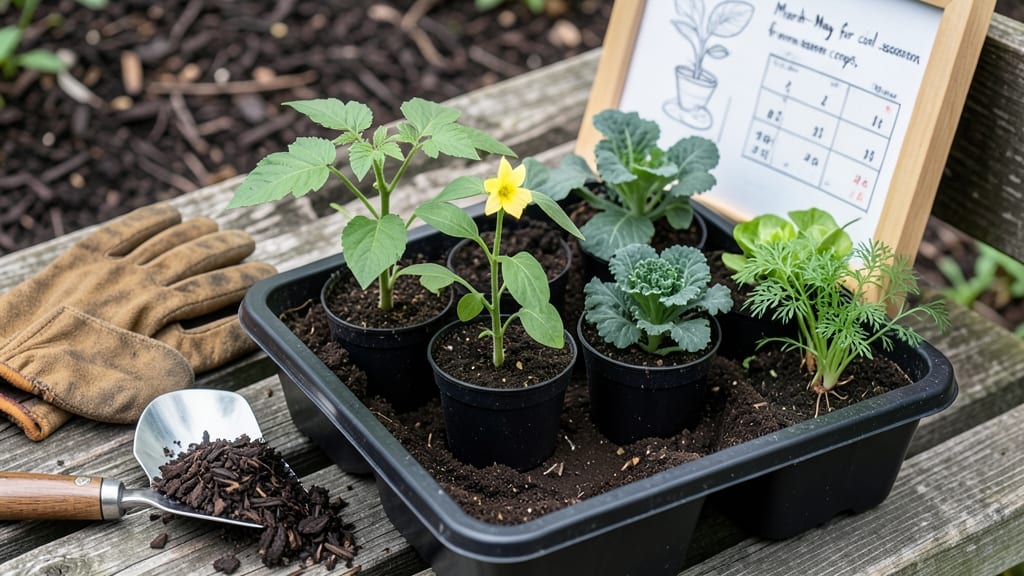
To plant a garden in NC at the perfect time means beating the heat and frost—spring crops need to dodge late freezes, while summer plants must avoid wilting under July’s relentless sun.
North Carolina’s 7a-8b zones give you a long season, but timing is everything. Plant too early, and a surprise frost ruins your seedlings; too late, and heat stress stunts growth or turns peppers into waxy disappointments.
The key is knowing your last frost date (usually around March 15) and adjusting for your microclimate—Coastal areas warm faster than the Piedmont.
This guide breaks down the ideal windows for heat-tolerant crops like okra, sweet potatoes, and black-eyed peas, plus how to stretch your harvest into fall.
You’ll learn when to start seeds indoors, when to transplant, and how to protect your plants from NC’s brutal summer heat without fancy (or expensive) tricks.
Skip the guesswork and get a month-by-month schedule tailored to your zone, so you can enjoy fresh tomatoes in July and still have time for a fall garden before the first frost hits in November.
North Carolina planting Zones: when to start heat-tolerant crops by last frost date
North Carolina spans USDA Hardiness Zones 5b through 8a, giving gardeners a diverse range of planting windows for heat-tolerant crops. The last frost dates vary dramatically—from March 15 in the Piedmont to as late as April 15 along the coast.
These differences mean your tomatoes or okra might thrive in one region but struggle just 50 miles away. Understanding these zones helps you avoid frost damage or heat stress that can ruin your harvest.
For Zone 5b (western NC mountains), the last frost typically arrives around April 15, while Zone 8a (coastal areas) sees its last frost as early as March 1.
This variation means southern peas can be planted in March in Zone 8a but must wait until mid-April in Zone 5b. The key is aligning your planting schedule with your specific zone while accounting for microclimates, like valleys or urban heat islands.
Here’s how to use this guide: First, identify your USDA zone using the NC State Extension map. Then, match your zone to the last frost dates below. For heat-loving crops, wait until 2-3 weeks after your last frost date to transplant seedlings or direct-sow.
For example, sweet potatoes should never be planted before May 1 in any NC zone—they hate cold soil.
Notice how southern peas can be planted as early as late January in Zone 8a but must wait until mid-March in Zone 5b. This crop thrives in cool soil, so planting too late risks bolting (going to seed prematurely).
Meanwhile, sweet potatoes demand warm soil—planting them before May 1 in any zone risks root rot from cold, damp soil.
Microclimates add another layer of complexity. For example, the Piedmont region (Zones 6a–7a) often experiences earlier
Heat-tolerant crops planting calendar: month-by-month schedule for NC gardens
North Carolina’s heat-tolerant crops thrive with precise timing—miss the window, and you risk stunted growth or bolted plants. For okra, sweet potatoes, and black-eyed peas, the difference between a bumper crop and a sad harvest often comes down to planting dates.
Let’s break down the month-by-month schedule to maximize your yield, even during NC’s brutal summer heat waves.
Start by noting your last frost date (typically mid-March in most of NC) and work backward for warm-season crops. Succession planting is key—especially for quick-maturing crops like black-eyed peas—to keep your harvests coming all season.
Below, I’ve mapped out the ideal planting windows for each month, including contingency plans for those sweltering July days.
🌡️ NC Heat-Tolerant Planting Timeline
- March (Zones 7-8): Plant black-eyed peas (direct sow) and start okra seeds indoors. Soil temps should reach 60°F+.
- April: Transplant okra outdoors after last frost. Direct sow sweet potatoes slips (young plants) in warmer zones (7b+).
- May: Succession plant okra every 2 weeks for continuous harvests. Direct sow sweet potatoes in cooler Piedmont regions.
- June: Final okra planting window. Monitor soil moisture—drip irrigation prevents stress during heat spikes.
- July-August: Heat-wave contingency: Use shade cloth (30-50%) for young plants. Mulch heavily to retain moisture.
- August (Zones 7-8): Begin fall prep—plant black-eyed peas for late-season harvests if temps drop below 90°F.
Pro Tip: Always check soil temps with a probe—65°F+ is ideal for warm-season crops.
For okra, aim to plant your first batch in early April, with succession plantings every 2 weeks through June. This staggered approach ensures pods mature at different times, giving you a steady supply.
In my Zone 7b garden, I’ve found that planting okra too late (after June 15) results in bitter pods and stunted growth.
Sweet potatoes, on the other hand, are finicky about timing. Plant slips (not seeds) in May or early June when soil temps hit 70°F+.
In Coastal NC (Zone 8a), you can push this to late April, but Piedmont gardeners should wait until early June. Harvest before first frost—typically by mid-November—to avoid tuber rot.
Black-eyed peas are the unsung heroes of NC gardens—they tolerate heat and poor soil better than most. Sow seeds in March for early spring harvests or again in late August for fall crops.
If you’re growing them for fresh pods, harvest every 2-3 days to encourage more production. Drought stress is their biggest enemy, so mulch heavily with straw.
July and August are the true test of your heat-tolerant crops. When temps soar above 95°F, even okra wilts. My go-to solution? Shade cloth (30% coverage) over young plants and drip irrigation at dawn to keep roots cool. Avoid overhead watering—it promotes fungal diseases like powdery mildew.
By following this schedule, you’ll avoid the common NC gardening mistakes of planting too late or ignoring heat stress. Start early, succession plant, and protect your crops during heat waves, and you’ll enjoy a harvest that rivals any farmers' market find. Happy planting! 🌱