
Planting
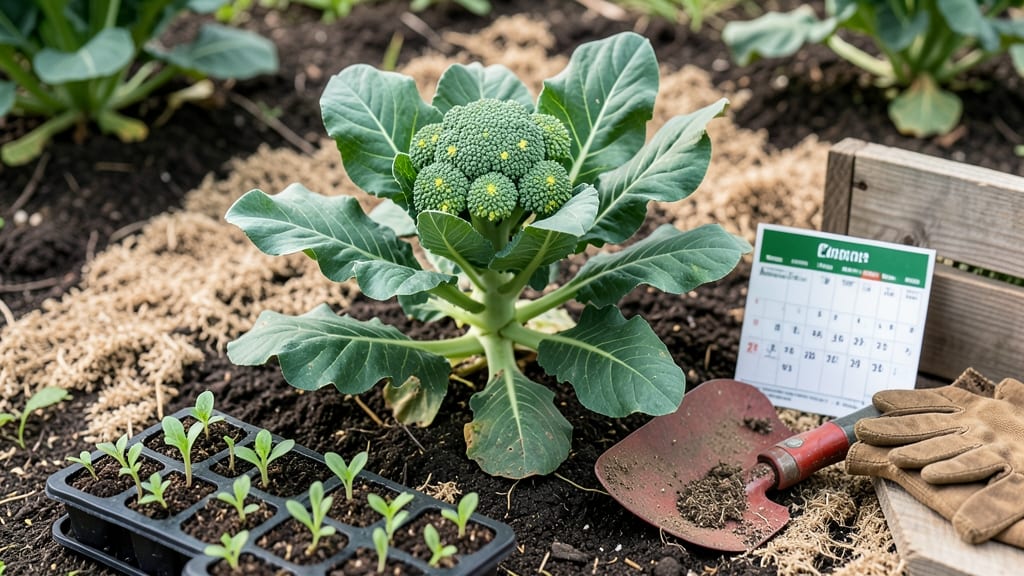
Planting a fall garden in North Carolina means timing your crops to beat the heat and frost, and the window is narrower than you think.
North Carolina’s warm fall seasons offer gardeners a second chance to grow fresh vegetables—but timing is everything. Plant too early, and your crops will bolt in the heat; too late, and frost will ruin your harvest.
The key is starting heat-tolerant crops like okra, sweet potatoes, and collard greens 6–8 weeks before your first frost, which varies by region—think late July for the coast and early August for the mountains.
In this guide, I’ll break down the exact planting schedule for NC’s unique climate zones, plus soil prep tips and frost-proofing tricks to maximize your harvest before winter sets in.
NC fall planting calendar: exact dates by heat zone for zero-frost success
North Carolina’s fall gardening season spans USDA zones 7b and 8a, offering gardeners a second chance to grow heat-tolerant crops like okra and sweet potatoes.
Unlike spring planting, fall success hinges on understanding your local frost dates—Raleigh’s first frost arrives around November 15, while Asheville’s comes two weeks earlier. Plant too early, and crops bolt; too late, and frost ruins your harvest.
Your planting window starts in mid-August for heat-loving crops and extends through mid-October for cool-season varieties. The key is succession planting—staggering seeds every 2-3 weeks to ensure continuous harvests.
For example, collard greens can handle light frosts, while tomatoes need to be in the ground by late July to mature before cold snaps.
Below is your region-specific planting calendar for NC’s 7b/8a zones, including exact dates for direct sowing and transplanting by crop type. Use these deadlines to avoid frost damage while maximizing your garden’s potential.
🌱
| Crop Type | Raleigh (Zone 7b) | Charlotte (Zone 7b) | Asheville (Zone 7a) | Key Notes |
|---|---|---|---|---|
| Heat-Lovers (Okra, Sweet Potatoes) | Aug 15 - Sep 15 | Aug 10 - Sep 10 | Aug 1 - Aug 30 | Direct sow; harvest before Oct 15. |
| Warm-Season (Tomatoes, Peppers) | Jul 20 - Aug 15 | Jul 15 - Aug 10 | Jul 1 - Jul 25 | Transplant; protect from light frosts. |
| Cool-Season (Collards, Kale) | Sep 1 - Oct 15 | Aug 25 - Oct 10 | Aug 15 - Sep 30 | Direct sow; tolerate light frosts. |
| Root Crops (Carrots, Beets) | Aug 1 - Sep 15 | Jul 25 - Sep 10 | Jul 20 - Aug 30 | Sow early; harvest before ground freezes. |
| Green Beans (Bush) | Aug 15 - Sep 30 | Aug 10 - Sep 25 | Jul 30 - Sep 15 | Succession plant every 2 weeks. |
For Raleigh gardeners, the last frost date is typically November 15, giving you a 12-week growing window for fall crops. Start okra seeds by August 15 to ensure pods mature before temperatures drop.
In Charlotte, where frosts arrive slightly earlier, shift your sweet potato slips planting to July 30 for a full harvest.
Asheville’s cooler microclimate demands earlier action: transplant tomatoes by July 1 and direct-sow collards by August 15. Use row covers to extend harvests into late October. Monitor your local NC State Extension frost predictions for real-time adjustments—especially in elevated areas where cold air settles.
Pro tip: Test your soil in early August to ensure pH 6.0-6.8 for optimal nutrient uptake. Amend with compost and a balanced fertilizer (10-10-10) before planting. For heat-tolerant crops, mulch with straw to retain moisture and regulate soil temperature.
🌿
If you’re in
Best heat-tolerant fall crops for NC gardens (with planting depth & spacing)
North Carolina’s fall heat can be your secret weapon for a second harvest—if you choose the right heat-tolerant crops. Unlike spring planting, fall offers longer daylight and warmer soil, perfect for crops that thrive in 80-90°F temperatures.
The key is selecting varieties that won’t bolt too early and pairing them with proper spacing to prevent competition. My top picks for NC gardens include okra, sweet potatoes, collard greens, and turnips, all of which handle late-summer heat like pros.
Before diving in, soil prep is non-negotiable. NC’s clay-heavy soils need amending with compost (2-3 inches worked into the top 6 inches) to improve drainage and fertility.
A soil test (check your local NC State Extension office) will tell you if you need lime (for acidic soils) or sulfur (for alkaline). For container gardens, use a lightweight potting mix with perlite to mimic well-draining soil.
Once your beds are ready, let’s talk crops—starting with the hardiest heat-lovers for your fall garden.
| Crop | Planting Depth | Spacing (inches) | Sun Needs | Days to Harvest | NC Variety |
|---|---|---|---|---|---|
| Okra | 1/2 inch deep | 12-18 inches apart | Full sun (6+ hrs) | 50-65 days | 'Clemson Spineless' |
| Sweet Potato | 1 inch deep | 12 inches apart (hills) | Full sun (8+ hrs) | 90-120 days | 'Beauregard' |
| Collard Greens | 1/4 inch deep | 12-18 inches apart | Full sun (6+ hrs) | 50-70 days | 'Georgia Southern' |
| Turnips | 1/2 inch deep | 2-3 inches apart (rows 12 inches apart) | Full sun (5-6 hrs) | 30-50 days | 'Purple Top White Globe' |
| Kale | 1/4 inch deep | 12-18 inches apart | Full sun (5-6 hrs) | 45-60 days | 'Lacinato (Dinosaur)' |
| Swiss Chard | 1/2 inch deep | 10-12 inches apart | Full sun (6+ hrs) | 40-50 days | 'Bright Lights' |
| Southern Peas | 1 inch deep | 4-6 inches apart (rows 18 inches apart) | Full sun (8+ hrs) | 60-90 days | 'Purple Hull' |
Okra is a fall garden MVP because it loves heat and keeps producing pods until frost. Plant Clemson Spineless varieties 8-10 weeks before your first frost date (check your NC county’s average—Raleigh’s is typically mid-November). Space them 18 inches apart in well-drained soil to prevent rot.
Pair okra with bush beans or sweet potatoes—they share similar water needs and companion benefits. For container growers, use 5-gallon pots with drainage holes.
Sweet potatoes are another NC fall staple, but they need warm soil to germinate. Start slips (young plants) 6-8 weeks before frost or plant seeds directly in heated soil (use black plastic mulch to warm it). The Beauregard variety is a top pick for NC’s climate.
Space hills 12 inches apart and hill soil around the base as vines grow. Companion plants like corn or cucumbers help deter pests naturally. Harvest before first frost—they won’t survive freezing temps.
For leafy greens, collard greens and kale are heat-tolerant powerhouses. Sow Georgia Southern collards 4-6 weeks before frost for a sweet, tender harvest. Space them 18 inches apart in rich soil—they’ll keep producing until winter.
Kale, like Lacinato, handles heat better than spring crops and sweetens after frost. Plant 12 inches apart and mulch heavily to protect roots. Companion plant with radishes (they deter pests) or onions (repel cabbage moths).
Turnips