
Planting
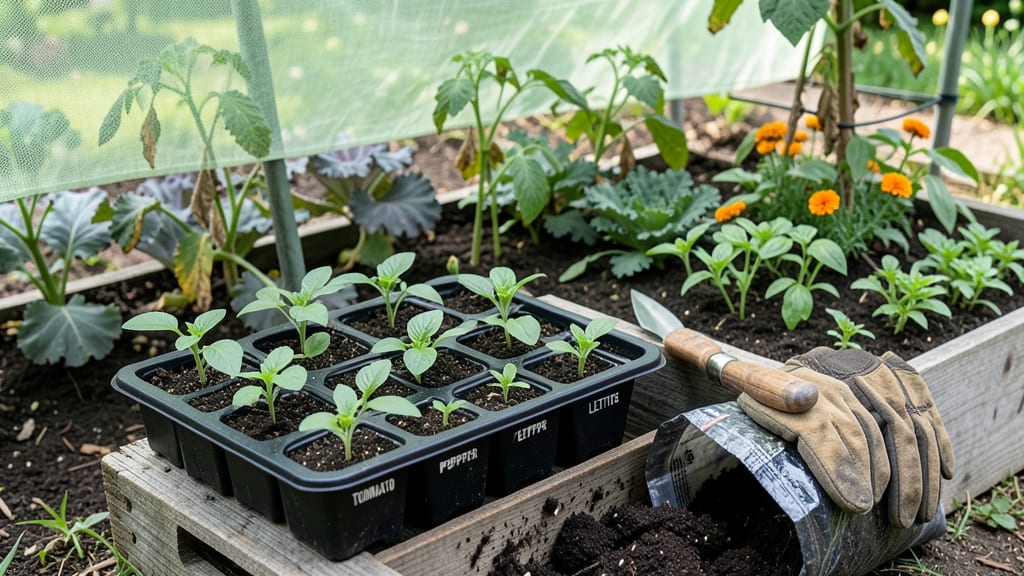
Planting a garden in Ohio means timing your crops to avoid late frosts and maximize your 165 frost-free days—a window that can shift dramatically from Lake Erie’s coastal warmth to the cooler Appalachian foothills.
Miss the mark, and your zero-frost crops like tomatoes or peppers will bolt before they fruit, or worse, rot in the ground. Ohio’s microclimates—where a city block can feel like two different zones—mean your neighbor’s mid-April planting might be a death sentence for your garden just 10 miles away.
Here’s the breakdown you need: exact planting deadlines for your Ohio zone, whether you’re sowing seeds indoors or direct-sowing into 50°F soil, plus how to adjust for unpredictable weather. No more guessing—just a schedule that works for your corner of the state.
You’ll learn which crops thrive in Ohio’s short season, how to stretch your growing window with row covers, and why your last frost date might not be what the USDA map promises. Let’s get your garden off to the right start.
Ohio’s last frost dates by microclimate: when to plant warm-season crops
Ohio’s last frost dates aren’t one-size-fits-all—they shift dramatically across the state’s USDA zones 5a-6b. In Lake Erie’s coastal areas, warm air lingers longer, while Appalachian foothills can stay icy until May. These differences mean your tomatoes, peppers, and cucumbers might thrive in one region but struggle in another.
Let’s break down the exact planting windows for Ohio’s distinct microclimates, using data from NOAA and Ohio State Extension.
For zero-frost crops like bell peppers and eggplants, timing is critical. Plant too early, and a late frost will kill seedlings. Too late, and your harvest shrinks before first frost in October.
Ohio’s average last frost dates range from April 15 in southern Ohio (Zone 6b) to May 10 in the Appalachian highlands (Zone 5a). Urban areas like Columbus and Cleveland often see 3-5 days earlier than rural zones due to the urban heat island effect.
🌱 Key Insight: Adjust your schedule by 1-2 weeks based on your microclimate. Use row covers or a greenhouse to extend your season in cooler areas.
In Lake Erie’s coastal zones (like Toledo and Cleveland), you can plant warm-season crops like tomatoes and peppers as early as April 25. The lake’s thermal mass delays frost, giving you a 2-3 week head start over inland areas.
For early varieties (e.g., ‘Early Girl’ tomatoes), this means you could harvest by mid-July—critical for Ohio’s short growing season.
Central Ohio’s urban heat islands (Columbus, Dayton) often see frost-free conditions by May 5. Use this to your advantage by starting heat-loving crops like okra and sweet potatoes indoors in late March.
Harden off seedlings by mid-April to transplant after the last frost. Pro Tip: Monitor local weather stations like the Ohio State Extension’s Frost Tracker for real-time updates.
For Appalachian foothills (Athens, Zanesville), patience is key. These Zone 5a areas typically don’t see their last frost until May 10.
Opt for late-maturing varieties (e.g., ‘Brandywine’ tomatoes) or use black plastic mulch to warm the soil faster. Peppers and eggplants need extra protection—consider a low tunnel greenhouse for a 2-3 week extension.
Southern Ohio’s Zone 6b (Cincinnati area) enjoys the longest growing season. You can direct-sow cucumbers and beans by April 15 and still harvest until first frost in mid-October.
For maximum yield, succession plant every 2 weeks from May through July. 🌿 Example: Plant ‘Straight Eight’ corn on May 1, 15, and 30 for staggered harvests.
Northeast Ohio (Akron, Youngstown) sits in a transition zone between Lake Erie’s warmth and Appalachia’s chill. Expect variable frost dates—sometimes as early as April 25, other years not until May 10.
Play it safe by using biodegradable row covers for early plantings. 💡 Tip: Plant cool-season crops (like lettuce) in early spring
How to adjust planting dates for Ohio’s unpredictable weather patterns
Ohio’s spring weather can swing from 50°F to 85°F in a single week, leaving gardeners scrambling to adjust planting schedules. If you’ve ever watched your tomato seedlings wilt after a surprise frost or your cucumbers bolt from sudden heat, you know how critical flexibility is.
The key isn’t guessing—it’s using local data, protective tools, and hardening techniques to create a buffer around Ohio’s unreliable frost dates.
Start by tracking your local microclimate. Areas near Lake Erie often experience delayed frosts, while inland valleys like the Appalachian foothills can see frost up to 2 weeks later than urban heat islands.
Use the Ohio State Extension’s frost maps as a baseline, then add a 2-week cushion for heat-loving crops like peppers and eggplants. This extra time accounts for Ohio’s infamous “April snow” and late-spring temperature drops.
- 1. Use Row Covers for 3-4 weeks after transplanting to extend the growing season by 2-3 weeks. Lightweight fabric traps heat and protects tomatoes and peppers from 28°F drops.
- 2. Harden Off Seedlings for 10-14 days before planting. Gradually expose them to wind and sun to prevent shock when Ohio’s spring storms hit.
- 3. Plant Heat-Lovers Early in biodegradable pots to transplant later. Start peppers indoors by March 1, then bury pots to avoid root disturbance.
- 4. Monitor Soil Temps with a soil thermometer. Wait until 50°F for cucumbers and 60°F for tomatoes—even if air temps are warm.
- 5. Adjust for Microclimates: Add 1 week to frost dates near Lake Erie; subtract 1 week in Appalachian valleys.
For zero-frost crops, calculate your safe planting window by subtracting the days to maturity from your first frost date. For example, if your first frost is October 15 and your tomatoes take 90 days to fruit, plant by July 15.
But Ohio’s weather is unpredictable—so if you’re planting late July, use row covers to protect young plants from unexpected chills.
Don’t overlook direct sowing for fast growers like bush beans and radishes. These thrive in 50°F soil and can tolerate light frosts. Sow them 2 weeks before your last frost date, then succession plant every 2 weeks for a continuous harvest.
This strategy minimizes risk when frost dates are unreliable.
If you’re in northern Ohio (Zone 5a), prioritize early-maturing varieties like ‘Early Girl’ tomatoes or ‘Bush Blue Lake’ beans.
In southern Ohio (Zone 6b), you can push the envelope with longer-season crops like ‘Brandywine’ tomatoes, but still plant them by May 15 to avoid late-summer heat stress.
Finally, keep a garden journal to track your local patterns. Note when frost hits, how long seedlings take to establish, and which crops thrive despite Ohio’s whims. Over time, you’ll refine your schedule—turning unpredictable weather into a competitive advantage for your garden. 🌱