
Planting
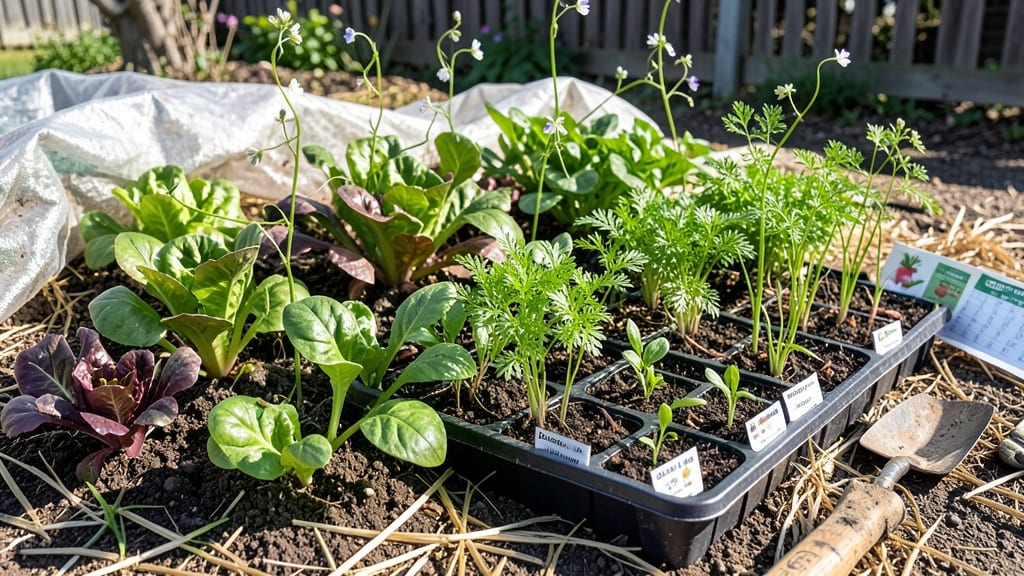
Planting a garden in Utah means timing is everything—your elevation dictates when to start seeds, transplant seedlings, and harvest before the first frost 🌱.
Picture this: You’ve prepped your soil, ordered seeds, and are ready to dig in—only to watch your tender seedlings freeze in a late April frost or bolt in the desert’s sudden heat.
Utah’s diverse elevations (from 4,000 ft in St. George to 9,000+ ft in the mountains) mean a one-size-fits-all schedule won’t work. The Wasatch Front’s frost-free date in early May is a full month earlier than southern Utah’s, and mountain gardens face a shorter growing season by 60 days.
This guide breaks down the exact planting windows for your zone, from cool-season crops like peas (start in March) to heat-lovers like okra (wait until June).
We’ll also cover Utah-specific hacks—like using row covers to extend your season—to help you avoid the two biggest mistakes: planting too early and wasting seeds, or waiting too long and missing the harvest.
Ready to grow? Below, you’ll find a zone-by-zone calendar, soil prep tips for alkaline earth, and the 3 crops that thrive in every Utah microclimate—no matter your elevation.
Utah’s planting zones by elevation: when to start seeds vs. transplant
Utah’s dramatic elevation shifts—from the 7,000-foot Wasatch Front to 10,000-foot mountain valleys—create wildly different planting windows. A seedling thriving in Salt Lake City might freeze overnight in Park City just 30 miles away.
Understanding these zones ensures your garden thrives, not just survives. Let’s break down the critical timelines for seeds vs. transplants based on elevation.
Key factors like last frost dates and soil temperature dictate when to sow or transplant. In Utah, low elevations (7,000–8,000 ft) like St. George enjoy earlier starts, while high elevations (9,500+ ft) like Logan face late-season risks.
Even a 1,000-foot difference can mean 2–4 weeks of timing variance. Master these windows, and you’ll avoid wasted seeds and maximize harvests.
🌱 Pro Tip: Use a soil thermometer—seeds need 40–50°F for germination, while seedlings thrive at 60–70°F. Utah’s alkaline soil (pH 7.5–8.5) also slows warming, so plan accordingly.
| Elevation Zone | Last Frost Date | First Frost Date | Start Seeds Indoors | Transplant Outdoors | Ideal Soil Temp (°F) |
|---|---|---|---|---|---|
| Low (7,000–8,000 ft) | Mid-March | Mid-November | Feb 15–March 1 | March 20–April 15 | 50–60°F |
| Mid (8,000–9,500 ft) | April 1–15 | Oct 15–Nov 1 | March 1–15 | April 30–May 15 | 55–65°F |
| High (9,500+ ft) | May 1–15 | Sept 15–Oct 1 | March 15–April 1 | May 20–June 1 | 60–70°F |
📌 Note: Adjust for microclimates (e.g., urban heat islands or sheltered valleys).
For low elevations (7,000–8,000 ft), like St. George or Cedar City, your growing season stretches from March to November.
Start cool-season crops like lettuce and peas indoors by mid-February, then transplant after March 20 when soil hits 50°F. Warm-season plants (tomatoes, peppers) go in after April 15, once night temps stay above 55°F.
This zone’s long season lets you try two plantings of beans or squash!
At mid elevations (8,000–9,500 ft), such as Salt Lake City or Provo, frost lingers longer.
Begin seedlings indoors March 1 for cabbage or broccoli, then transplant by May 1. Heat-loving crops like okra or eggplant need to wait until after May 15—their shorter season means faster maturing varieties (55–65 days) are key.
Use row covers to push harvests into late September.
High elevations (9,500+ ft)—think Park City or Heber Valley—demand patience and planning. Start seeds indoors no earlier than March 15, and delay transplants until after May 20. Focus on fast-maturing varieties (45–55 days) like bush beans or radishes.
Even zucchini may need row covers to ripen before first frost in October. Consider container gardening near south-facing walls to extend warmth.
Soil temperature is your best friend—never plant until it’s consistently warm enough. Use a soil thermometer to check: 40°F for peas, 50°F for lettuce, and 60°F+ for tomatoes.
In Utah’s alkaline soil, add compost or sulfur to lower pH if needed. Mulch with straw to retain heat and moisture, especially in high-desert areas where evaporation is brutal.
🌿 Key Adjustments:
- Low elevations: Plant earlier but watch for summer heat stress (use shade cloth).
- Mid elevations: Balance spring frost and fall frost with succession planting.
- High elevations: Prioritize fast crops and season extenders like cold frames.
Don’t forget <
Best crops for Utah’s microclimates: adjusting planting by heat tolerance
Utah’s microclimates create dramatic shifts in growing conditions—from 90°F desert heat in St. George to 50°F mountain valleys in Park City. Your crop choices should mirror these extremes. Cool-season crops like ‘Utah Red’ potatoes thrive in high elevations, while warm-season varieties such as ‘Desert King’ watermelons dominate low-desert gardens.
Matching plants to your zone ensures success without wasted effort.
Start with heat tolerance as your guide. Low-elevation gardens (7,000–8,000 ft) can handle tomatoes, peppers, and melons planted in late April, while high-elevation areas (9,500+ ft) should wait until mid-May for these heat-lovers. Succession planting is key—sow leafy greens every 2 weeks from March to August for continuous harvests.
| Crop Type | Utah-Specific Variety | Best Planting Window | Heat Tolerance | Succession Tip |
|---|---|---|---|---|
| Cool-Season | ‘Utah Red’ Potatoes | March–April (high elevation) / April–May (low) | Moderate; needs frost protection | Plant every 3 weeks for fall harvests |
| Warm-Season | ‘Desert King’ Watermelon | May–June (low elevation) / June (high) | High; drought-resistant | Use black plastic mulch to warm soil |
| Dual-Season | ‘Sugar Snap’ Peas | March & August (spring/fall) | Moderate; cool weather preferred | Trellis for vertical space savings |
| Herbs | ‘Mojave’ Rosemary | April–May (any elevation) | Extreme; thrives in heat/drought | Prune after flowering for bushier growth |
For low-desert gardens, prioritize heat-tolerant varieties like ‘Black Krim’ tomatoes and ‘Arizona Sweet’ onions. These handle Utah’s 100°F+ days without bolting. Drip irrigation is non-negotiable—it delivers water directly to roots while conserving 15–20 gallons per plant weekly.
Mulch with straw or gravel to retain moisture and regulate soil temps.
High-elevation gardeners should focus on short-season crops like ‘Early Girl’ zucchini (58 days to harvest) and ‘Green Arrow’ bush beans. These mature before first frost in October. Cold frames extend harvests by 4–6 weeks—perfect for kale, spinach, and carrots.
Test soil temps with a soil thermometer; seeds need 45°F+ for germination.
Year-round harvests require succession planting. For example, sow radishes every 2 weeks from March to September—they’re ready in 25 days! Pair fast growers (radishes, lettuce) with slow ones (squash, corn) to maximize space. Interplanting (e.g., carrots between onion rows) keeps weeds down and soil loose.
Utah’s alkaline soil (pH 7.5–8.5) can stunt crops like blueberries and potatoes. Amend beds with sulfur or peat moss to lower pH to 6.0–6.8. Compost tea boosts microbial activity, helping plants absorb nutrients in poorly drained soils.
Always water deeply in the morning to prevent fungal diseases like powdery mildew.