
Planting
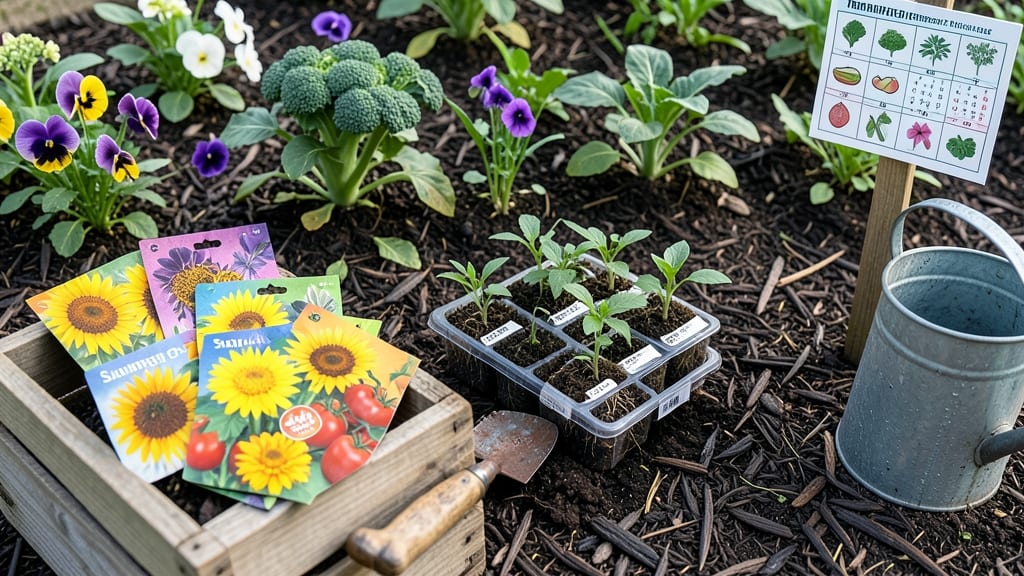
Planting a garden in Tennessee at the right time means the difference between a bountiful harvest and a wasted season — and the window is narrower than you think.
Tennessee’s diverse climate—from the humid Appalachian foothills to the hotter Memphis Delta—means your garden’s success hinges on planting at the perfect time. Miss the window, and you risk stunted growth, pests, or even total crop failure.
Whether you’re in USDA Zone 6b or 7a, the key is knowing your last frost date and adjusting for microclimates—like valleys that stay cooler longer or ridges that warm up faster.
I’ll break down the exact dates for Nashville, Knoxville, and Memphis, plus the zero-frost crops you can plant as early as February.
Ready to avoid the common mistakes? You’ll learn how to prep your soil, which crops to start indoors, and the simple tricks to extend your growing season—without spending a dime on a greenhouse.
Tennessee planting zones: key dates for zero-frost crops by region
Tennessee spans USDA zones 6b through 8a, creating dramatic differences in frost timing from the Appalachian highlands to the Memphis Delta. Your last-frost dates can vary by 3+ weeks between regions—planting too early or late means wasted effort or failed crops.
Let’s break down the critical windows for zero-frost crops like tomatoes, peppers, and squash in each zone.
Most Tennessee gardeners focus on spring planting after the last frost, but fall planting (especially for cool-season crops) can extend your harvests. The key is knowing your average frost-free date and adjusting for microclimates—like valleys that freeze later or ridges that warm faster.
Let’s start with the big four cities and their frost patterns.
🌱
| Region & Zone | Avg. Last Frost | Safe Planting Window | Microclimate Adjustments |
|---|---|---|---|
| Nashville (Zone 7a) | April 15 | April 20–May 10 | Valleys: 5–7 days later; ridges: 3–5 days earlier |
| Knoxville (Zone 6b) | April 25 | May 1–May 15 | Mountain slopes: 7–10 days later; urban areas: 3–5 days earlier |
| Chattanooga (Zone 7b) | April 10 | April 15–April 30 | River valleys: 5 days later; south-facing slopes: 5 days earlier |
| Memphis (Zone 8a) | March 25 | March 30–April 15 | Lowlands: 7–10 days later; elevated areas: 5 days earlier |
For zero-frost crops like tomatoes and peppers, wait until soil temperatures hit 60°F+—even if frost risk is low. Use a soil thermometer to confirm.
In Zone 6b (Knoxville), I’ve seen seedlings fried by 80°F+ soil planted too early, while Zone 8a (Memphis) gardeners can start 6 weeks earlier than their northern neighbors.
Microclimates matter more than your ZIP code. A south-facing slope in Chattanooga can be 5°F warmer than a north-facing valley just miles away. If you’re unsure, use row covers to protect seedlings until mid-May, even in Zone 7a.
For fall planting, aim for 6–8 weeks before your first frost—typically late July to early August in most regions.
🌿
Pro tip: Track your local frost dates for 3 years to spot patterns. In 2022, Nashville’s last frost hit May 5, but in 2020, it lingered until May 18.
Planting heat-loving crops like okra or sweet potatoes too early? They’ll bolt or wilt in Tennessee’s 90°F+ afternoons. Instead, wait until late May for these varieties.
For cool-season crops like lettuce or broccoli, fall planting is your best bet. Seedlings planted in late summer thrive with cooler nights and avoid pest pressure from summer heat. In Zone 7a, I’ve harvested kale until December by starting seeds in mid-July—just don’t let them flower before frost!
🪴
Need a quick rule of thumb? Subtract 2 weeks from your average last frost date for warm-season crops and add 6 weeks for cool-season crops. Example: Memphis (Zone 8a) with a March 25 frost date?
Start tomatoes March 11 and broccoli July 18. Adjust for shade from trees or urban heat islands, which can shift dates by 1–2 weeks.
Remember: Frost dates are averages. Always have row covers or a space heater ready for late-May surprises. In my Zone 7a garden, I’ve lost entire pepper plants to unexpected frosts in early June—don’t make the same mistake!
Best crops to plant now in Tennessee (and when to avoid them)
Spring in Tennessee is your golden window for planting zero-frost crops like tomatoes, peppers, and cucumbers. But timing is everything—plant too early, and a late frost will wipe out your seedlings.
Too late, and summer’s brutal heat will stress tender plants before they bear fruit. Aim for mid-April to early May in most zones, once soil temperatures hit 60°F+.
Your soil temperature is the real secret weapon. Use a soil thermometer to confirm it’s warm enough for germination. Most warm-season crops need 70-85°F soil—that’s typically late April in Nashville and early May in Knoxville’s valleys.
If you’re in Memphis or Chattanooga’s heat pockets, you might even start 2 weeks earlier.
🌱 Tennessee Spring Planting Timeline
- Mid-April: Direct-sow cucumbers and squash (soil 65°F+). Start peppers indoors if frost risk remains.
- Late April: Transplant tomatoes and eggplants after last frost (wait 2 weeks post-frost for safety).
- Early May: Sow okra and sweet potatoes—but only if nights stay above 60°F.
- Avoid: Sweet corn and beans before May 15 in most zones due to heat sensitivity.
- Never plant: Okra or sweet potatoes before June 1 in Memphis/Chattanooga (they’ll bolt in spring heat).
For tomatoes, wait until after Mother’s Day in most of Tennessee. Early varieties like ‘Celebrity’ can handle slightly cooler soil, but heirlooms like ‘Brandywine’ need 75°F+ to thrive. Harden off seedlings for 7-10 days before transplanting—this toughens them against Tennessee’s humidity swings.
Peppers are heat-lovers, but they’ll sulk in Tennessee’s spring chill. Start them indoors in March, then move to a protected outdoor spot (like a cold frame) in early May. If you rush them, blossom-end rot will ruin your harvest—calcium deficiencies spike in fluctuating temps.
Greens like lettuce and spinach are spring superstars, but they’ll bolt by June. For a fall crop, sow ‘Black Seeded Simpson’ lettuce in late August—it handles Tennessee’s late-summer heat better than most. Mulch heavily to keep roots cool.
Pro tip: Succession plant cucumbers every 2 weeks until July 4 to avoid a glut. And skip okra in spring—it’s a summer-only crop in Tennessee’s heat zones. Save it for June plantings when soil stays 80°F+.