
Planting
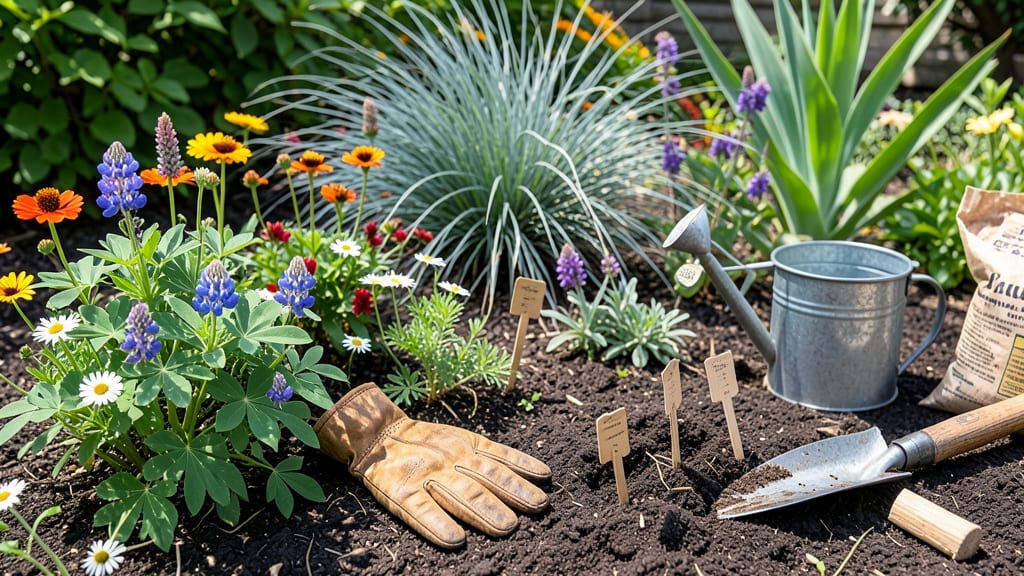
Planting a garden in Texas at the right time means the difference between a thriving harvest and wasted seeds — and the clock starts ticking as soon as the ground warms up.
Texas gardeners face a brutal challenge: scorching summers and unpredictable freezes. Planting at the wrong time can mean wasted seeds and lost harvests, but timing your garden just right unlocks a bounty of heat-tolerant crops.
The key lies in knowing when to start seeds indoors versus direct sowing outdoors, depending on your region’s frost dates and soil temperatures.
From the Gulf Coast’s mild winters to the Panhandle’s harsh freezes, Texas spans nine distinct planting zones. Whether you’re in Houston, San Antonio, or Lubbock, the right timing ensures your 🌱 tomatoes, peppers, and squash thrive instead of wilting before they mature.
I’ll break down the exact months to plant for each zone, including when to begin seeds indoors for a head start.
Ready to beat the heat and avoid common mistakes? You’ll discover the month-by-month schedule for cool-season and warm-season crops, plus pro tips for container gardening in Texas’ extreme climate.
Texas planting zones explained: when to start seeds indoors vs. direct sowing outdoors
Texas’ unique climate demands precision when planting—whether you’re starting seeds indoors or sowing directly outdoors. The state spans 9 distinct planting zones (A-F, 1-3), each with its own frost-free dates and heat tolerance thresholds.
Understanding these zones helps you avoid wasted seeds and maximize harvests, especially for heat-loving crops like okra and peppers.
For example, Zone A (North Texas) has later last-frost dates (March 15-April 1) compared to Zone F (South Texas), where warm-season crops can be direct-sown as early as February 15.
Microclimates—like urban heat islands or shaded backyards—can shift your planting window by 2-4 weeks, so always adjust for your specific location.
Here’s the key difference: Cool-season crops (leafy greens, broccoli) thrive with indoor starts 6-8 weeks before last frost, while warm-season crops (tomatoes, peppers) need outdoor soil temps above 60°F before direct sowing. Let’s break down the exact timing for each zone.
For Zone A gardeners, start basil and tomatoes indoors by February 15 to transplant after the April 1 last-frost date. In Zone F, you can direct-sow okra and sweet potatoes as early as February 15, thanks to warmer soil temps.
Always use a soil thermometer—warm-season crops need soil at 60°F+ for germination.
Urban gardeners in Dallas or Houston may experience heat islands, pushing planting windows 2 weeks earlier than rural areas. Conversely, shaded backyards in Austin might delay warm-season planting by 1 week. Adjust your schedule based on your yard’s microclimate to avoid transplant shock.
Pro tip: Use row covers for early cool-season starts in Zones A-C to extend the growing window. For warm-season crops, wait until nighttime temps stay above 50°F—this
Best heat-tolerant vegetables for Texas: month-by-month planting calendar
Texas’ triple-digit summers and sudden freezes demand a strategic planting schedule. The key is focusing on heat-loving crops that thrive when most gardens wilt. These 10 heat-tolerant vegetables produce reliably in Texas’ three planting seasons—spring, summer, and fall—with minimal water once established.
Success hinges on succession planting, which means staggering sowings every 2-3 weeks for continuous harvests. For example, planting okra in May and again in July ensures fresh pods through September. Let’s break down the exact timing for each crop, tailored to Texas’ North, Central, and South regions.
- March-April (Spring): Plant peppers (indoors in Feb), tomatoes (after last frost), and squash once soil hits 65°F.
- May-June (Summer): Direct-sow okra, sweet potatoes, and black-eyed peas after Memorial Day for peak summer yields.
- July-August (Late Summer): Succession plant green beans and cowpeas for fall harvests before first frost (Nov-Dec).
- September-October (Fall): Sow broccoli and cabbage (cool-season crops) 60 days before first frost for winter harvests.
For North Texas (Zones 7b-8a), start warm-season crops like peppers indoors in February and transplant after April 15.
In Central Texas (Zones 8a-8b), you can direct-sow okra as early as April 1, while South Texas (Zones 9a-9b) gardeners enjoy year-round planting for crops like eggplant and sweet potatoes.
Succession planting is your secret weapon. For example, sow green beans every 2 weeks from May through July to avoid a single overwhelming harvest. The same rule applies to cowpeas—plant them in June and August for two harvest waves.
This method ensures you’re always picking fresh produce instead of dealing with gluts.
Watering strategies shift with the seasons. In summer, focus on deep watering 2-3 times per week at dawn to prevent evaporation. Switch to drip irrigation for okra and sweet potatoes, which hate wet leaves.
In fall, reduce watering as temperatures drop, but keep soil consistently moist for broccoli and kale.
Don’t overlook soil prep—amend beds with compost and aged manure in February to boost organic matter. Add a 2-inch layer of mulch after planting to lock in moisture and regulate soil temperature. This is especially critical for peppers, which struggle in fluctuating temperatures.
With this calendar, you’ll avoid the Texas gardener’s worst nightmare: wasted seeds and bolted greens. Instead, enjoy a year-round harvest of heat-loving crops that thrive when others fail. Happy planting! 🌿