I’ve always had a soft spot for the quiet magic of a thriving garden—whether it’s the first green shoots breaking through soil in spring or the way a well-tended plant can turn a corner of the world into a little sanctuary. My family’s backyard in rural Michigan was my first classroom, where I learned that gardening isn’t just about growing things; it’s about patience, curiosity, and the small joys of watching life unfold. Here, I share the lessons I’ve picked up along the way, from the tried-and-true to the happily surprising, so you can find the same joy in your own patch of earth.
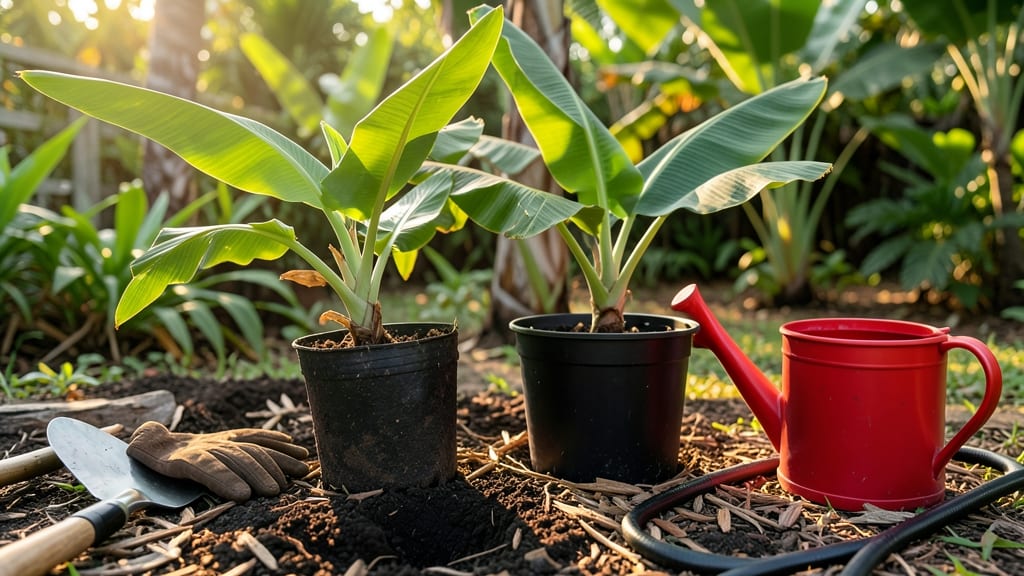
💥 Quick Answer What happens if you plant bananas in your garden? They’ll grow as striking tropical foliage plants with bold leaves and thick pseudostems, but they’ll only produce fruit if planted in warm USDA Zones…
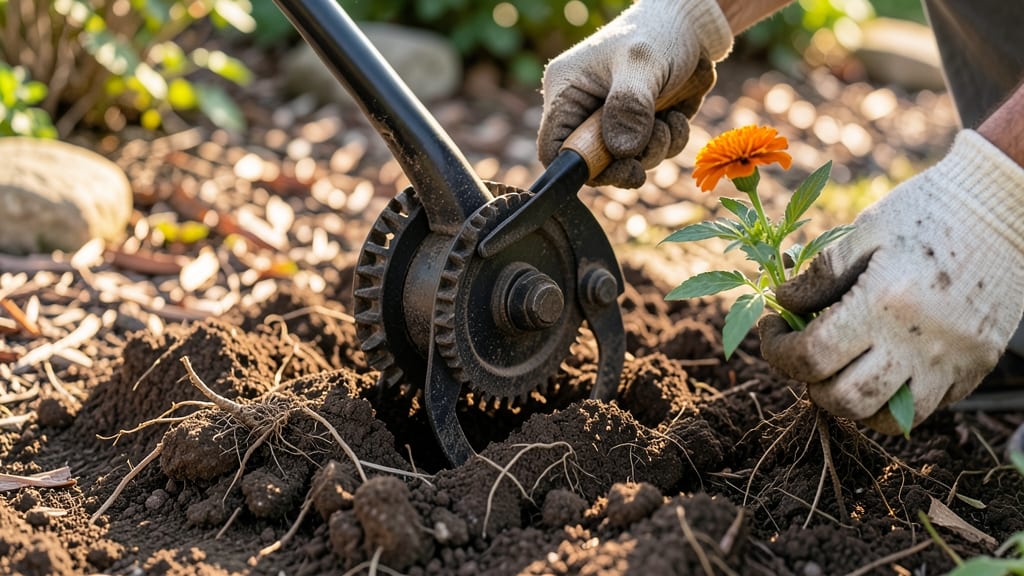
💥 Quick Answer A garden cultivator is used for aerating, tilling, and loosening soil to improve drainage, reduce compaction, and prepare seedbeds—tasks that are faster and more efficient than using a shovel alone. It…
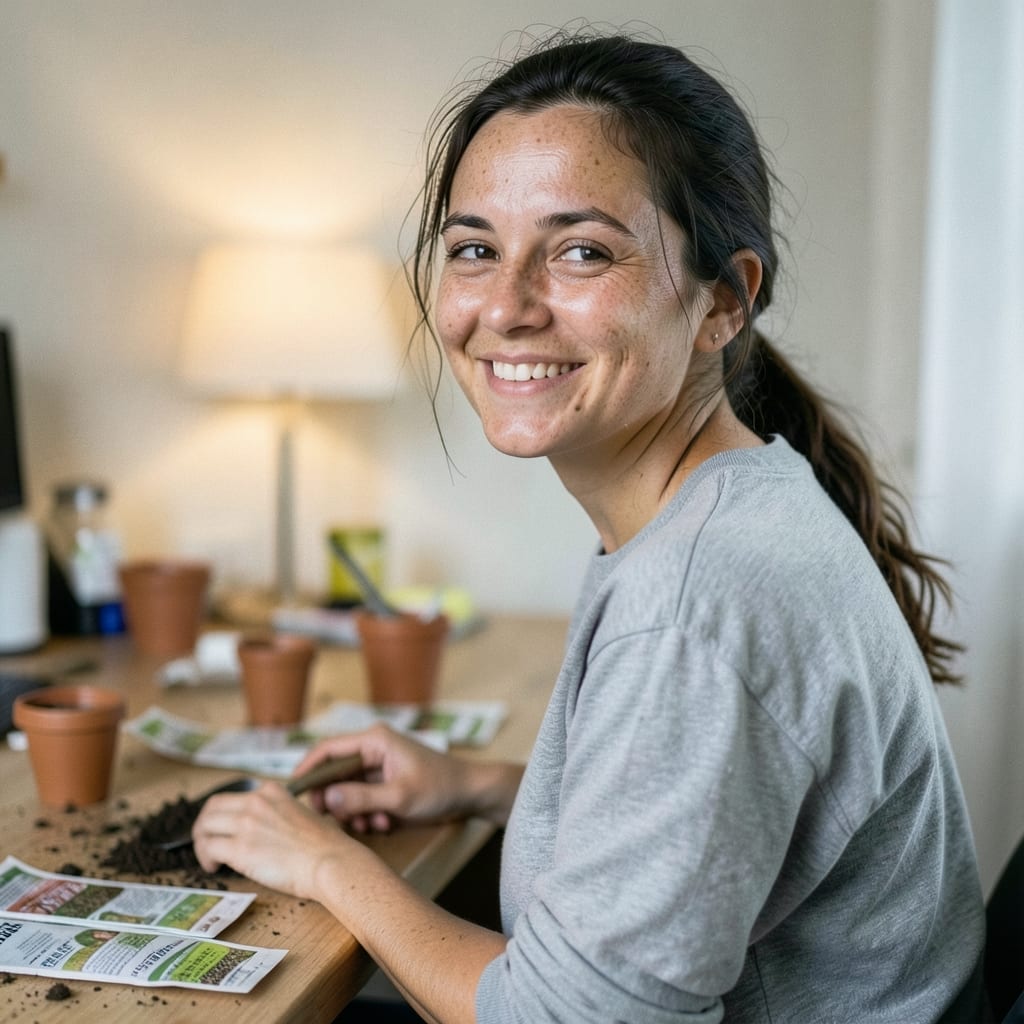
💥 Quick Answer A garden mom is someone who approaches gardening with maternal devotion—fostering plant health through attentive care, problem-solving skills, and a willingness to mentor others. Their hands-on expertise…
💥 Quick Answer A victory garden is a homegrown vegetable and herb plot designed to supplement food supplies during shortages, originally popularized during World War II to support war efforts and conserve resources…
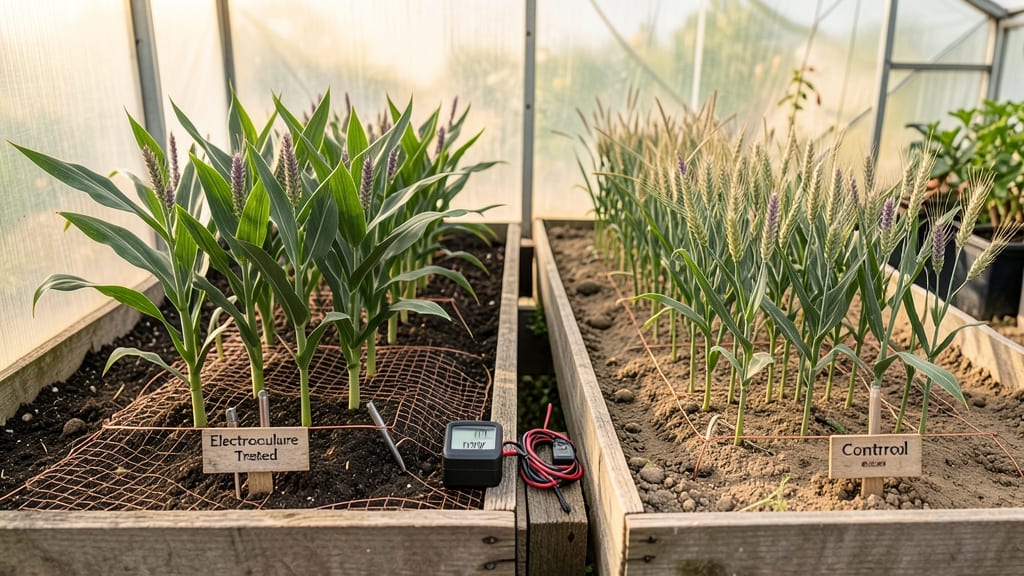
💥 Quick Answer Electroculture gardening is a controversial gardening method that uses small electrical currents to supposedly stimulate plant growth, though mainstream science has yet to fully validate its effectiveness…
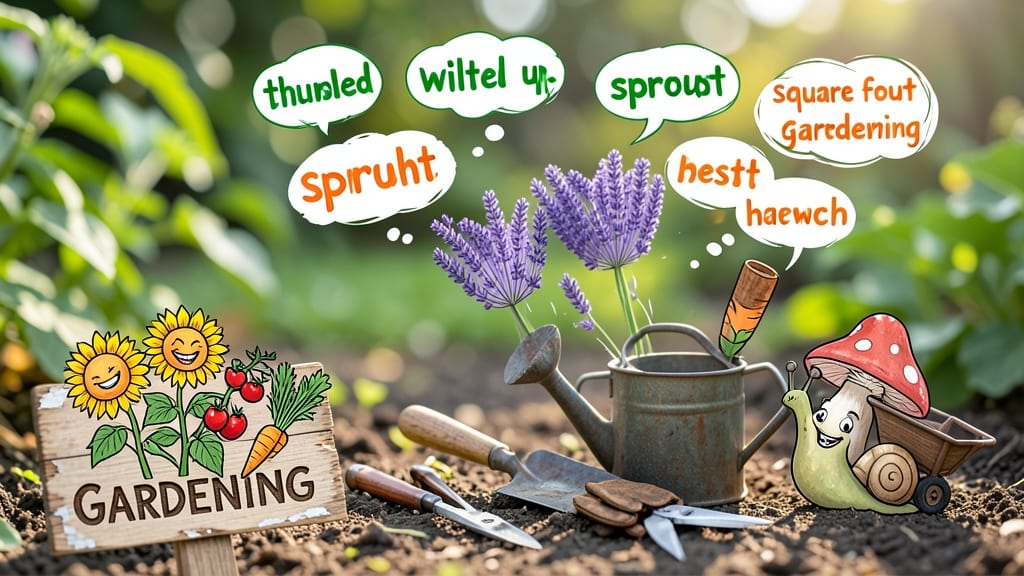
💥 Quick Answer Gardening slang includes informal terms plant lovers use to describe tools, plants, and techniques—like calling a beginner 'a thumb' or a fast-growing plant 'a monster.' These playful phrases create…
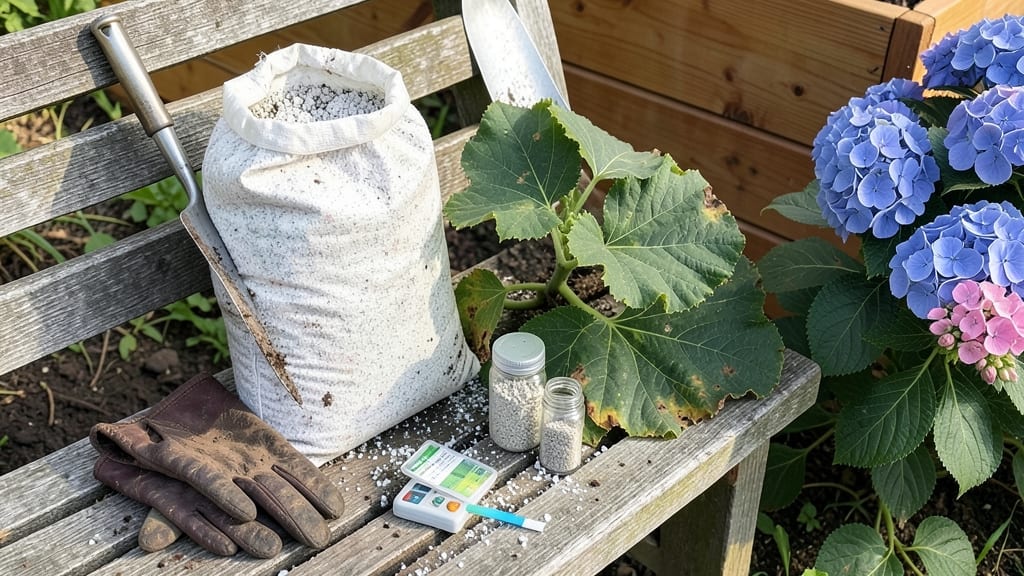
💥 Quick Answer Lime in gardening is used to lower acidic soil pH, neutralize alkalinity, and prevent nutrient deficiencies like iron chlorosis. It also deters pests like slugs and snails while improving soil structure…
💥 Quick Answer Growing the rarest plants in a garden presents unique challenges, with species like Middlemist Red camellia and Franklinia alatamaha —a nearly extinct azalea—requiring expert-level care due to their…
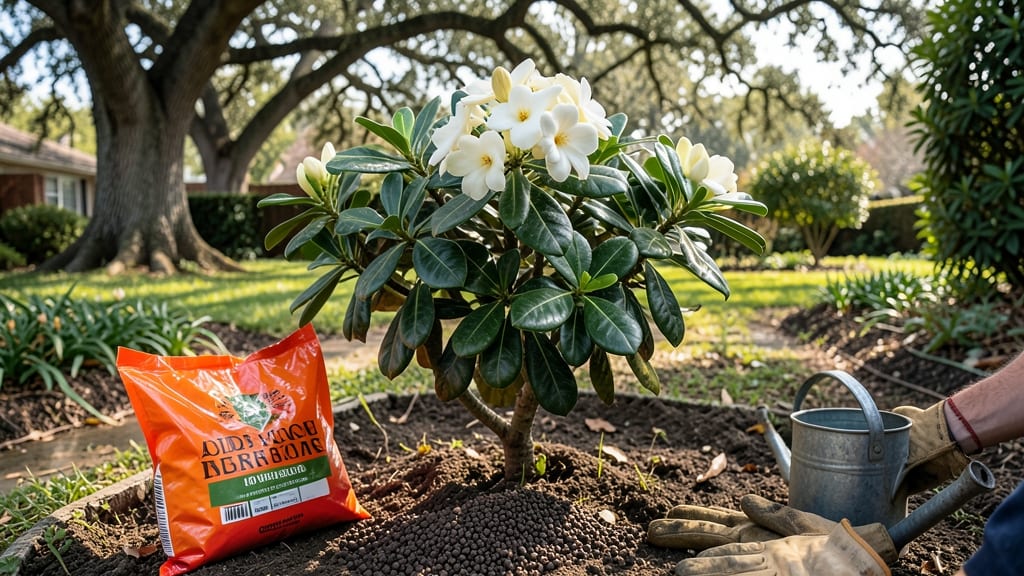
💥 Quick Answer To feed gardenias properly, you'll need acidic soil (pH 5.0–6.0), a balanced fertilizer like 10-10-10 or 8-3-9, and seasonal adjustments—spring nitrogen for growth and summer phosphorus for blooms…
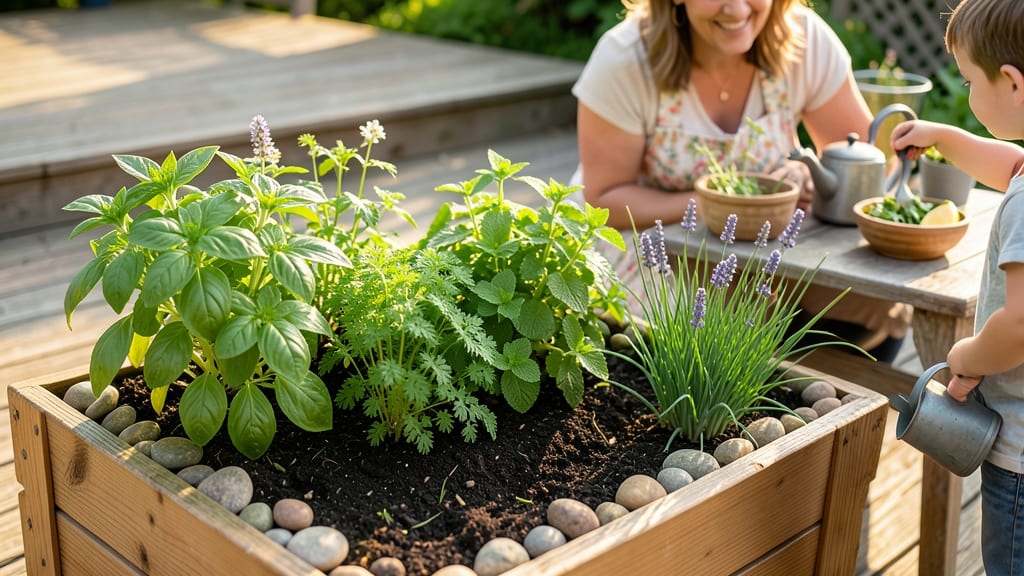
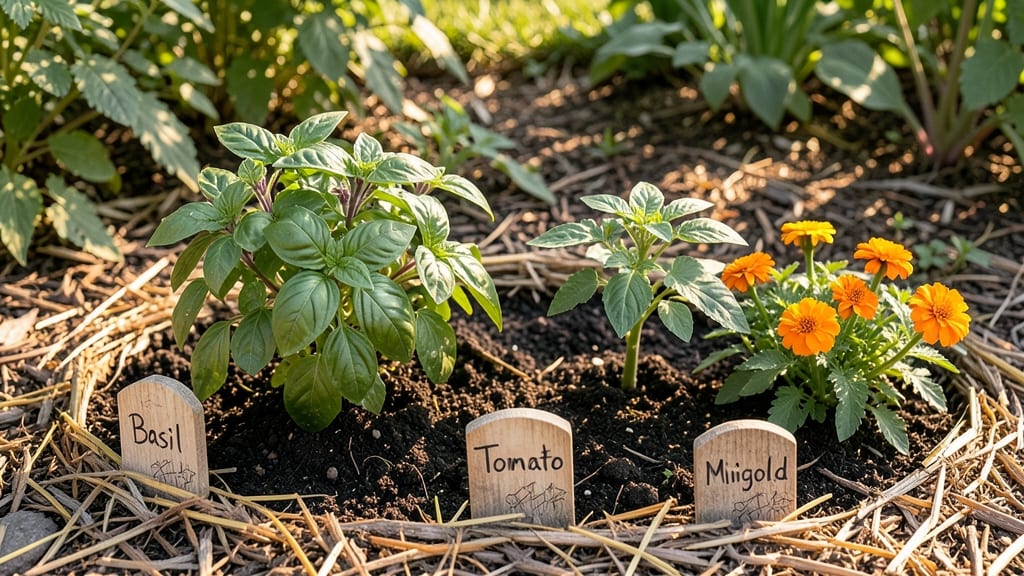
💥 Quick Answer To determine what to plant together in a garden, focus on strategic pairings like marigolds with tomatoes to naturally repel pests or basil with peppers to enhance flavor, while avoiding combos like beans…