I’ve always had a soft spot for the quiet magic of a thriving garden—whether it’s the first green shoots breaking through soil in spring or the way a well-tended plant can turn a corner of the world into a little sanctuary. My family’s backyard in rural Michigan was my first classroom, where I learned that gardening isn’t just about growing things; it’s about patience, curiosity, and the small joys of watching life unfold. Here, I share the lessons I’ve picked up along the way, from the tried-and-true to the happily surprising, so you can find the same joy in your own patch of earth.
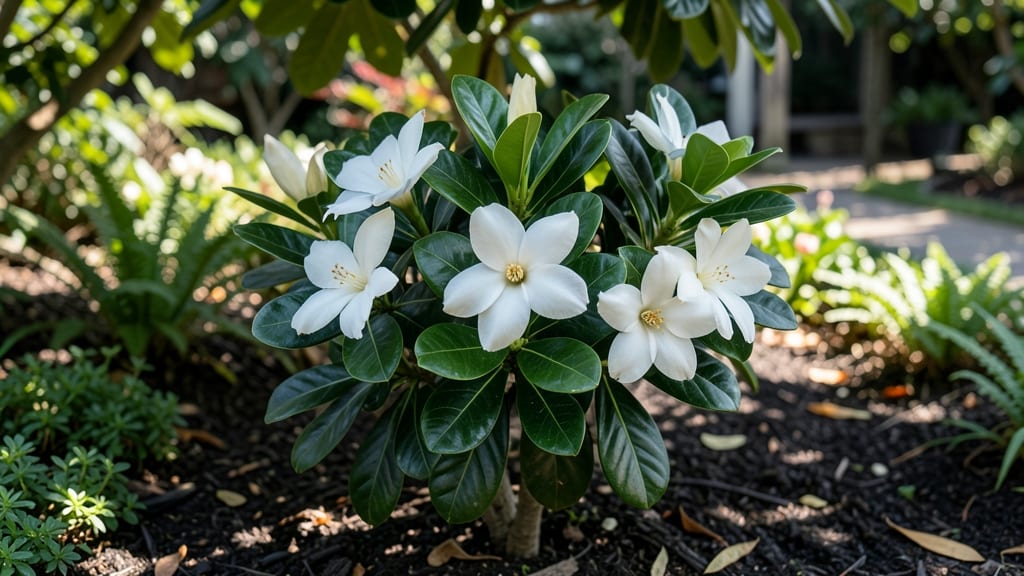
💥 Quick Answer Gardenia can thrive as a perennial in Zone 7 with proper cold-hardy varieties like Gardenia jasminoides 'Kleim’s Hardy,' which tolerates temperatures down to 10°F when planted in well-drained soil and…
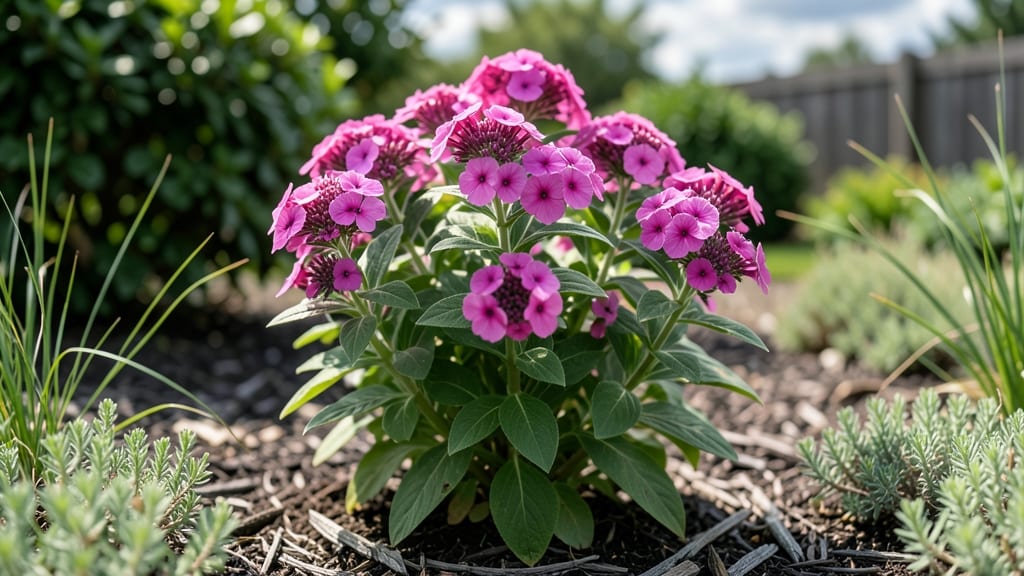
💥 Quick Answer Garden phlox don't bloom all summer long—they typically flower from mid-summer through early fall, peaking between July and September. While some varieties may produce occasional blooms into October…
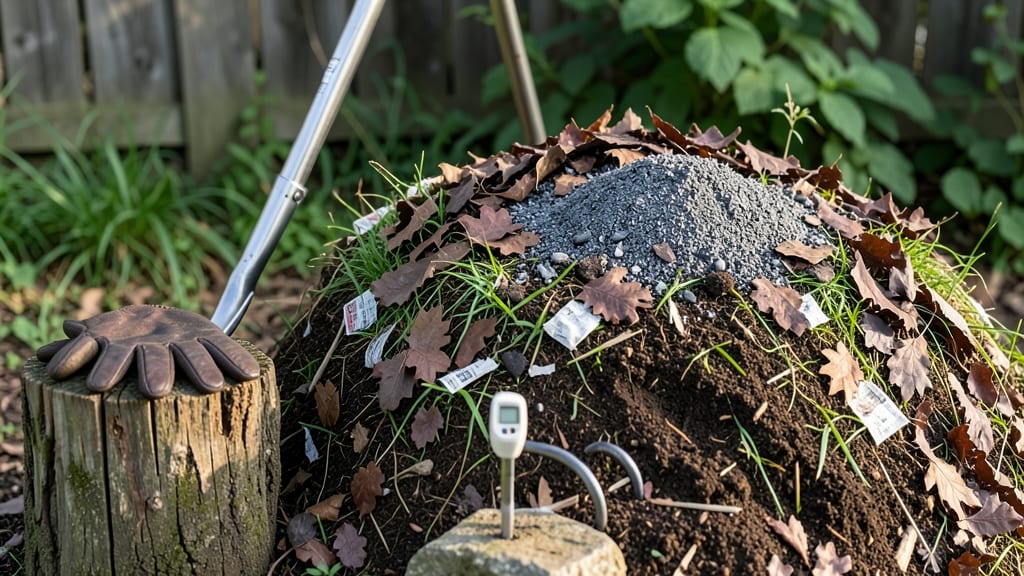
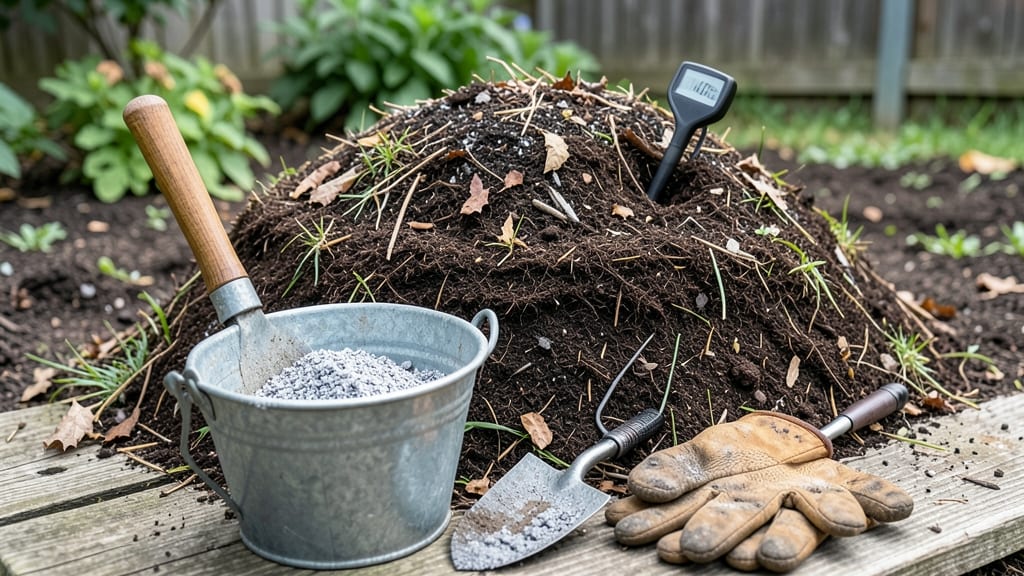
💥 Quick Answer You can use charcoal ashes in your garden to adjust soil pH, deter weeds, and enhance drainage—but only in carefully measured amounts from natural, untreated charcoal. Overuse disrupts soil microbes and…
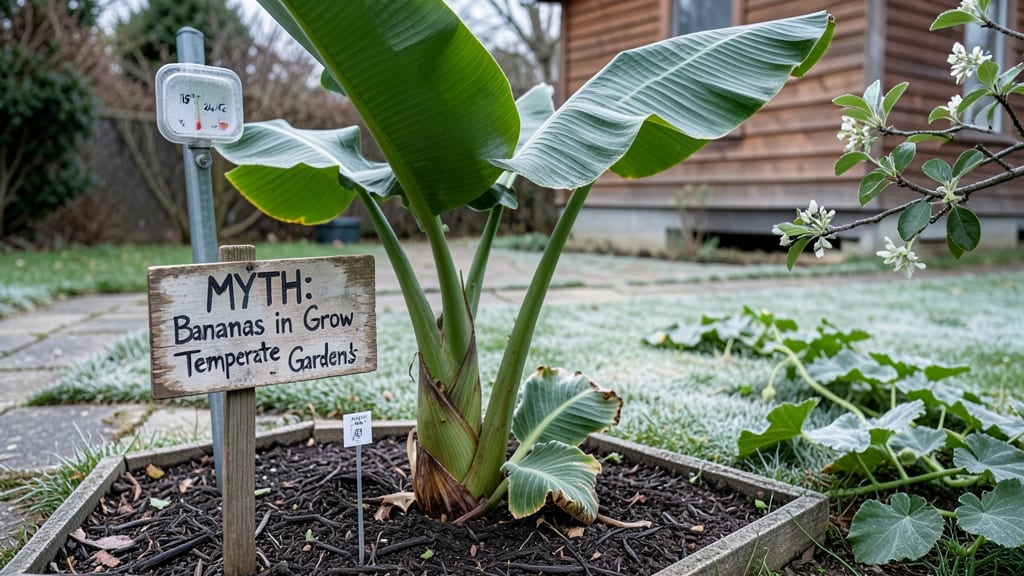
💥 Quick Answer The myth about bananas in the garden—specifically using peels for instant plant growth—is largely exaggerated, though their potassium content can modestly improve soil health when properly composted…
💥 Quick Answer Gardening is considered exercise because it engages multiple muscle groups, elevates heart rate, and burns calories—typically 200-400 per hour, depending on intensity. Activities like digging, lifting…
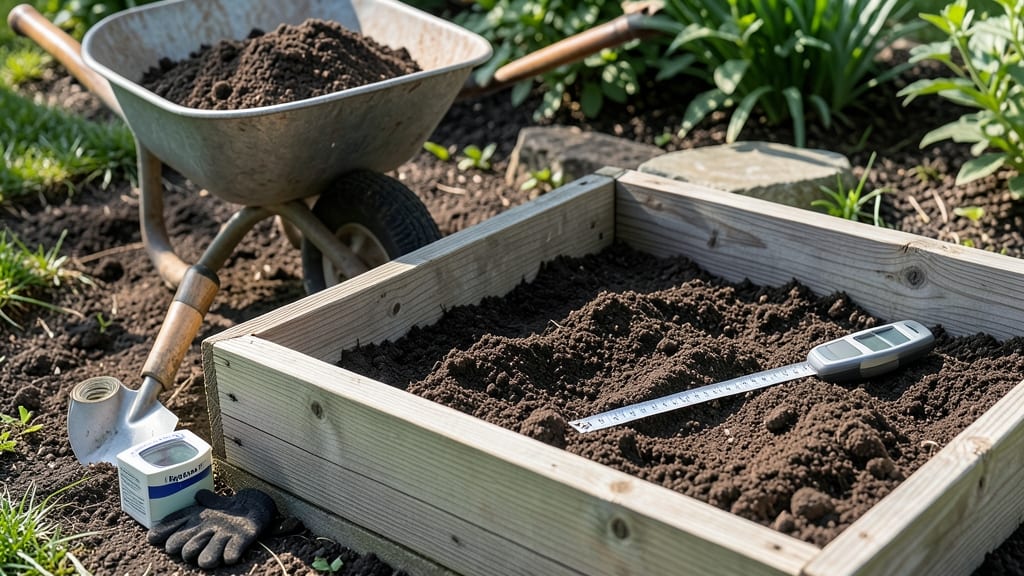
💥 Quick Answer You can use garden soil in raised beds, but it requires careful preparation: unamended garden soil often harbors pests, pathogens, or poor drainage while lacking the nutrient density of topsoil. Mixing it…
💥 Quick Answer To determine how much soil for a 4x4 raised garden, you'll need 64 cubic feet for a full 4-foot depth (4' × 4' × 4'), or 16 cubic feet for a 6-inch layer—the standard depth for most vegetables. Always buy…
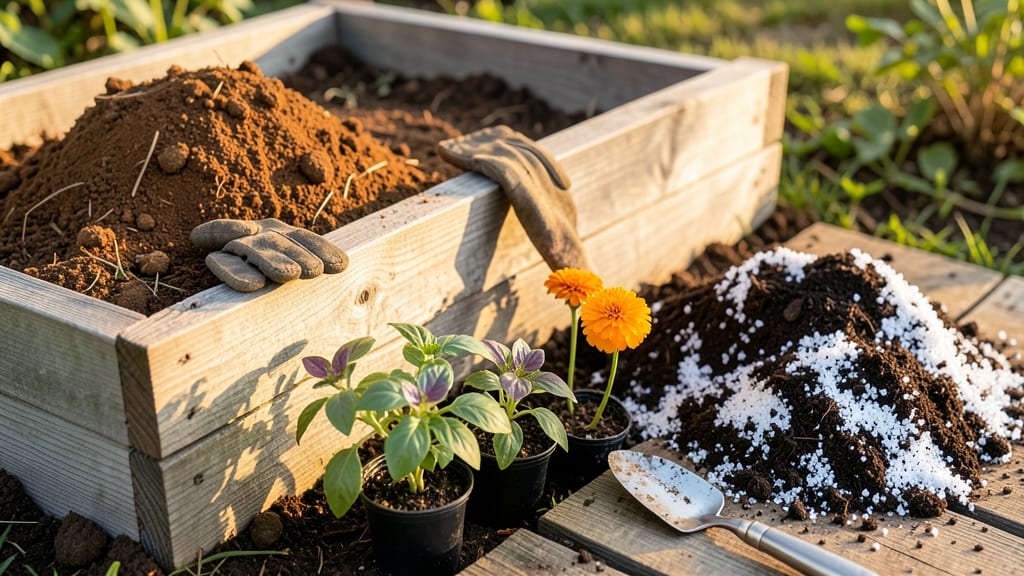
💥 Quick Answer Using garden soil in containers can harm plants due to compaction, poor drainage, and disease risks, but mixing it with perlite or compost (1:1 ratio) improves aeration and fertility for safe use in small…
💥 Quick Answer Wood ash in the garden boosts soil pH naturally by introducing alkaline minerals, perfect for acid-loving plants like blueberries and azaleas while supplying potassium for vibrant foliage. Use…
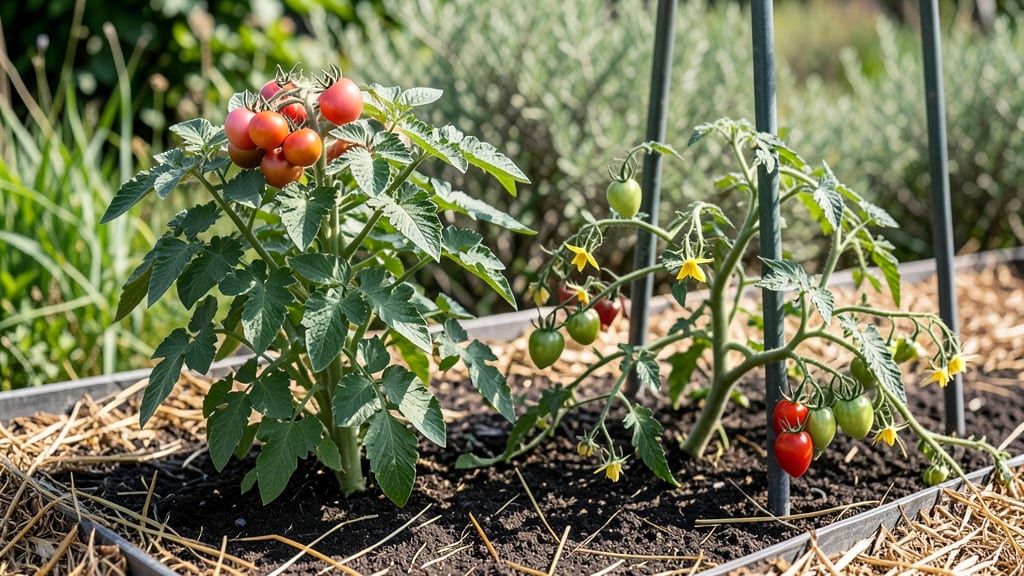
💥 Quick Answer The Gardeners Delight tomato variety grows as a determinate plant, producing compact bushes with limited vines and a single harvest window, unlike sprawling indeterminate varieties that require staking…