I’ve always had a soft spot for the quiet magic of a thriving garden—whether it’s the first green shoots breaking through soil in spring or the way a well-tended plant can turn a corner of the world into a little sanctuary. My family’s backyard in rural Michigan was my first classroom, where I learned that gardening isn’t just about growing things; it’s about patience, curiosity, and the small joys of watching life unfold. Here, I share the lessons I’ve picked up along the way, from the tried-and-true to the happily surprising, so you can find the same joy in your own patch of earth.
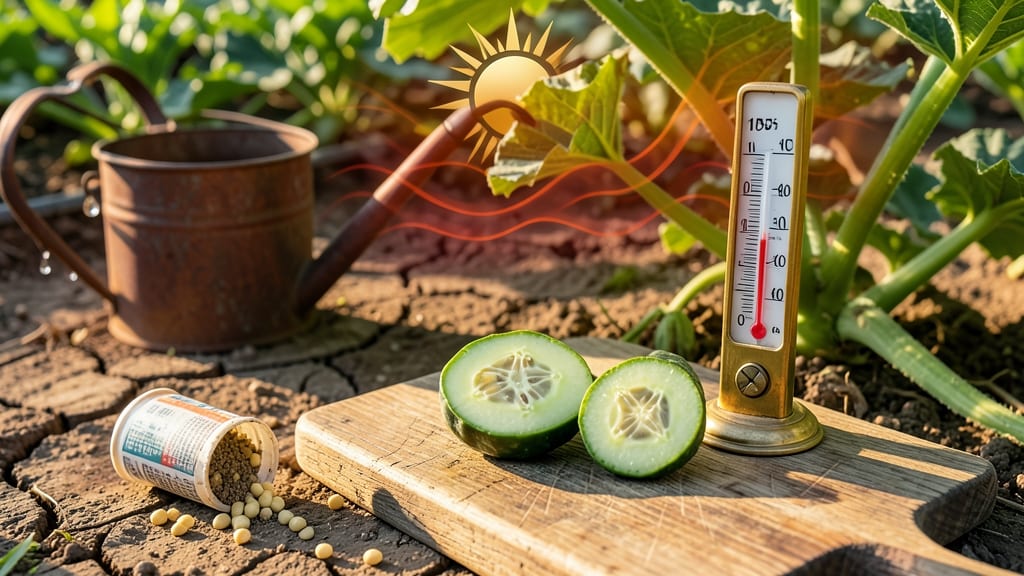
Your garden cucumbers taste bitter because they’re overripe, stressed from heat or drought, or starving for nutrients—three fixable problems that turn a disappointing harvest into sweet, crisp rewards. Picture this…
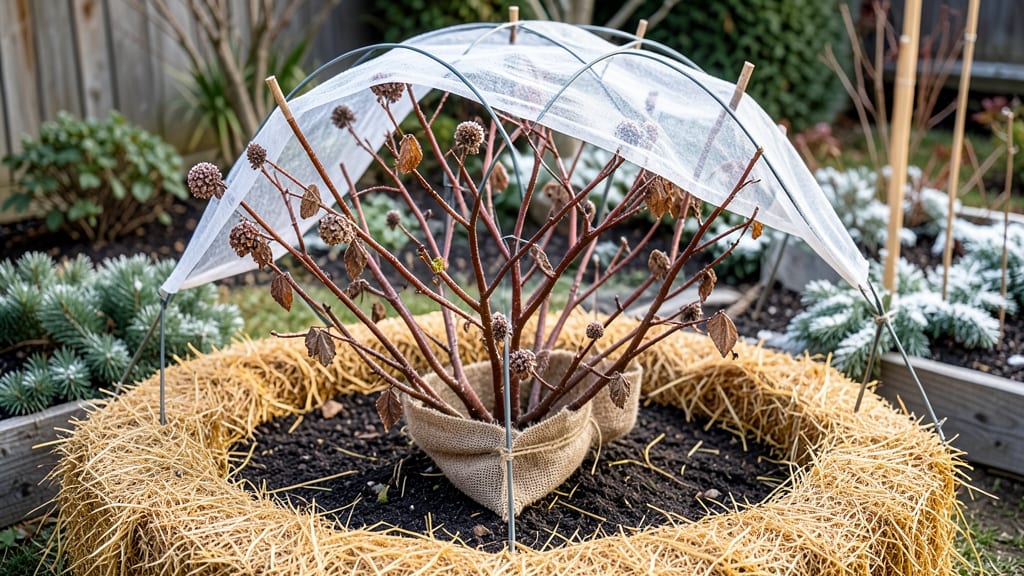
Winter protection for the garden is the key to keeping plants alive and thriving through the coldest months. Freezing temperatures don’t have to mean the end of your garden—smart winter protection can save your plants…
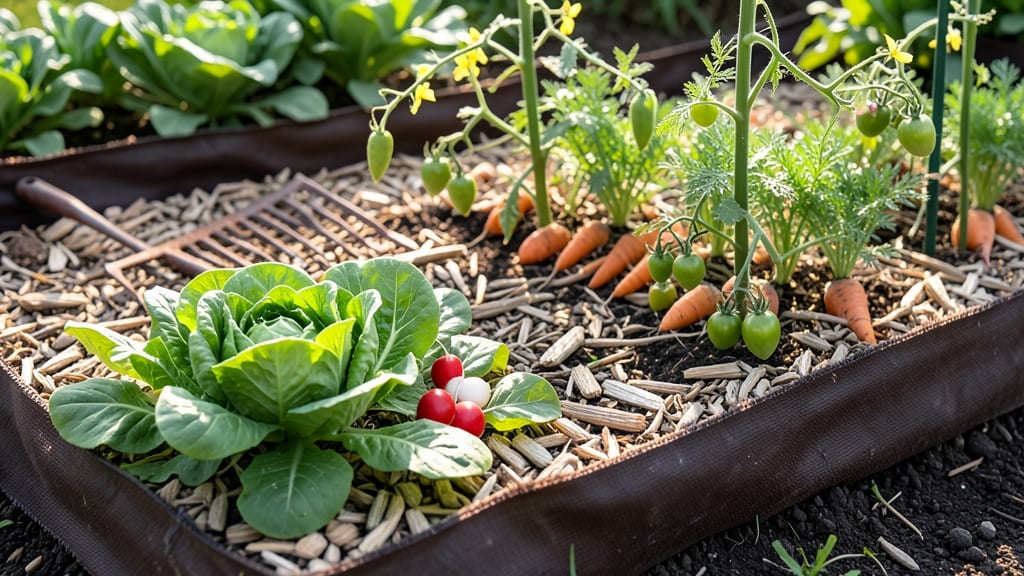
💥 Quick Answer Using wood chips on vegetable gardens improves soil fertility by breaking down into nutrient-rich mulch, suppresses weeds by blocking sunlight, and retains moisture while moderating soil temperature for…
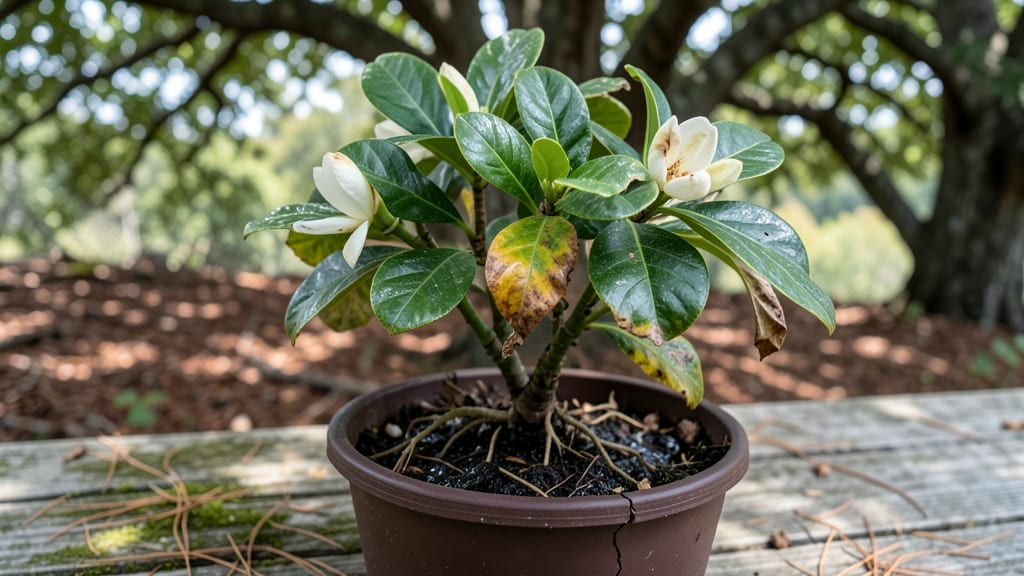
💥 Quick Answer Yellow leaves on an overwatered gardenia signal root suffocation and nutrient loss. Stop watering immediately, let soil dry completely between waterings, and repot in well-draining soil if roots are…
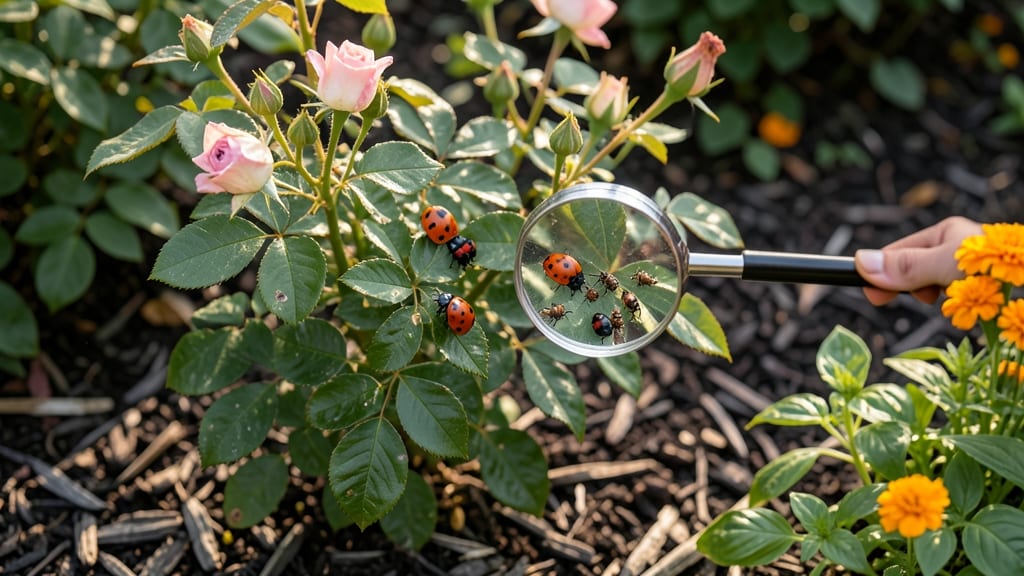
💥 Quick Answer Using ladybugs for garden pest control is one of the most effective organic solutions for eliminating aphids, mites, and soft-bodied insects, as they can devour up to 5,000 pests weekly—but only if…
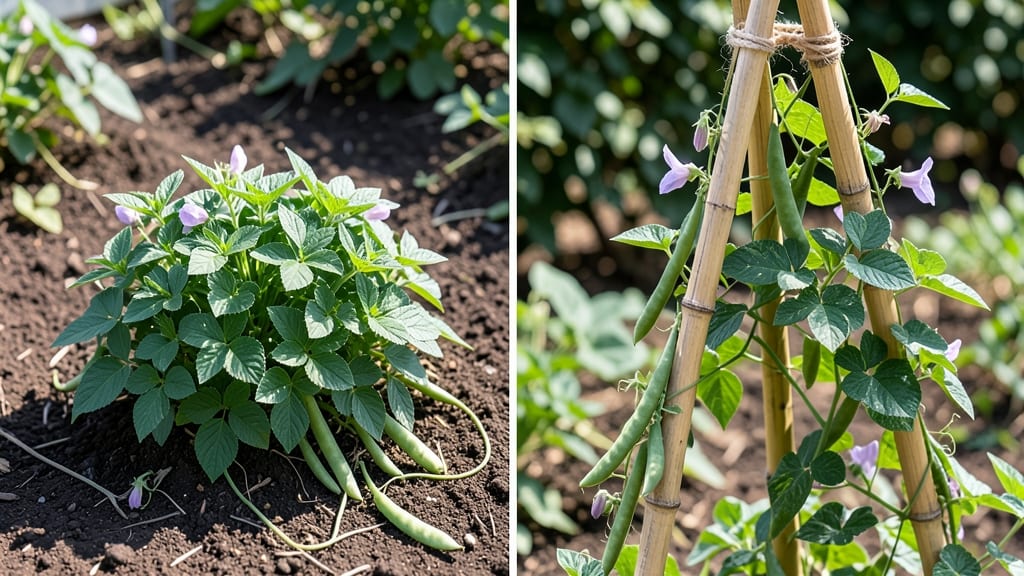
💥 Quick Answer Garden beans do need a trellis, though they can grow without one—especially bush varieties, which benefit from vertical support to maximize yield and space efficiency. Climbing types produce straighter…
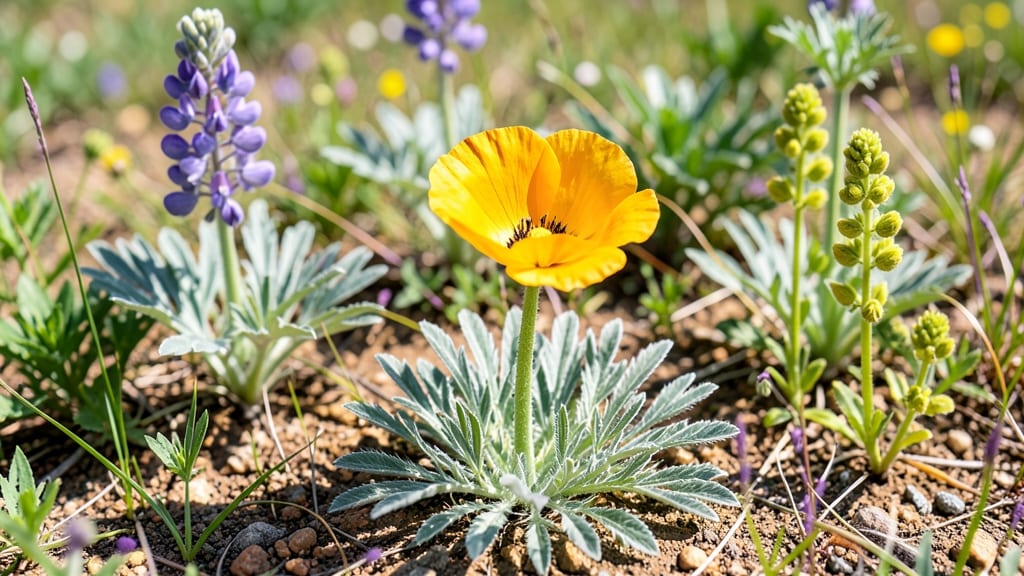
💥 Quick Answer Gardening in Northern California thrives when you focus on native drought-tolerant plants like California poppies and manzanita, adapt planting to your specific microclimate, and time frost-sensitive…
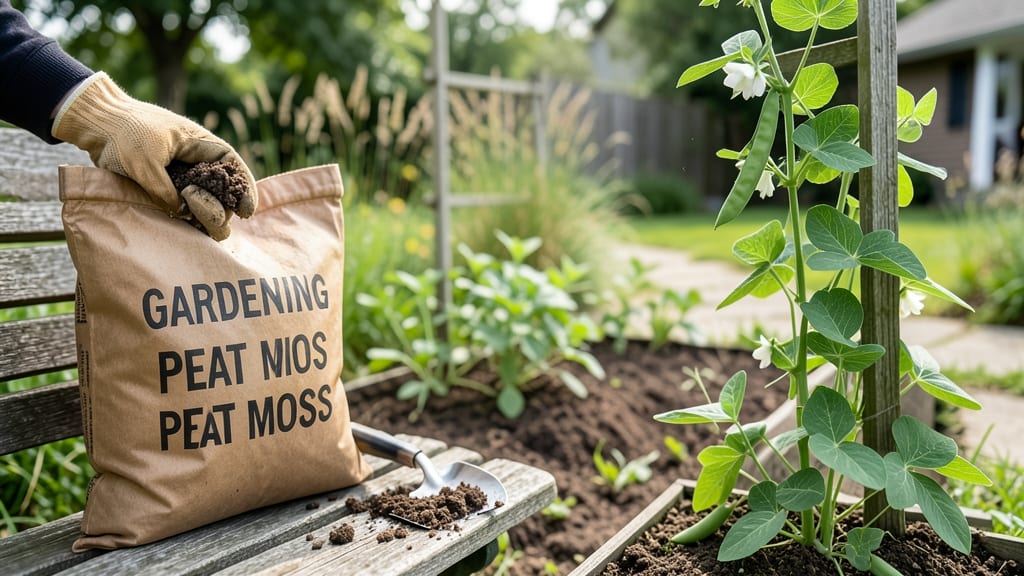
💥 Quick Answer The uses for peat moss in the garden make it a powerful soil amendment that improves drainage, creates acidic conditions perfect for acid-loving plants, and helps moisture retention for delicate root…
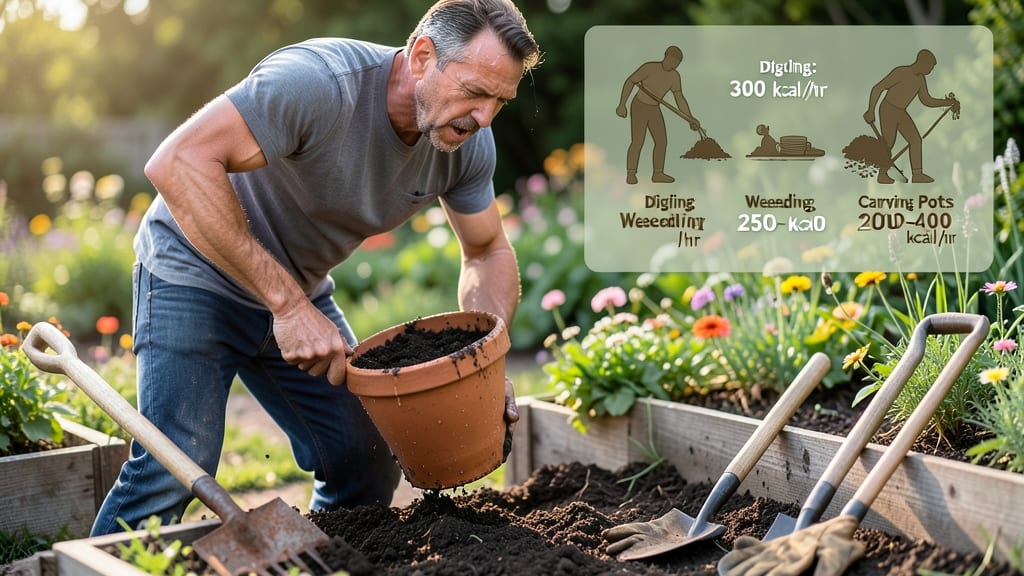
💥 Quick Answer Gardening burns 150–400+ calories per hour , depending on the physical demands of your tasks. Light activities like weeding (150–200 calories) contrast sharply with heavy lifting or digging (350–400+…
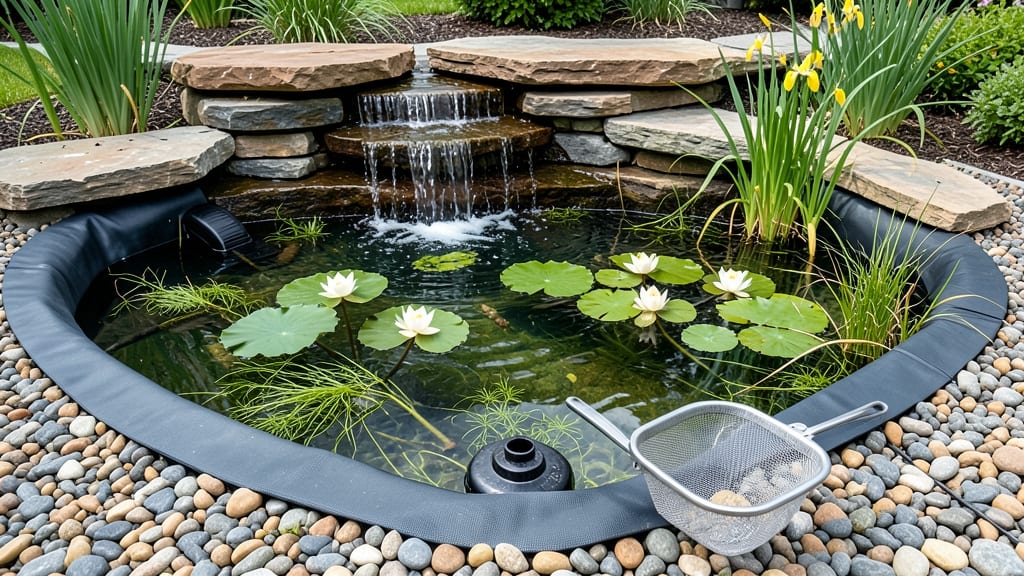
💥 Quick Answer Creating a garden pond waterfall involves careful planning: slope the terrain gradually, install a waterproof liner at the base, and use flexible tubing or preformed channels to direct water flow…