I’ve always had a soft spot for the quiet magic of a thriving garden—whether it’s the first green shoots breaking through soil in spring or the way a well-tended plant can turn a corner of the world into a little sanctuary. My family’s backyard in rural Michigan was my first classroom, where I learned that gardening isn’t just about growing things; it’s about patience, curiosity, and the small joys of watching life unfold. Here, I share the lessons I’ve picked up along the way, from the tried-and-true to the happily surprising, so you can find the same joy in your own patch of earth.
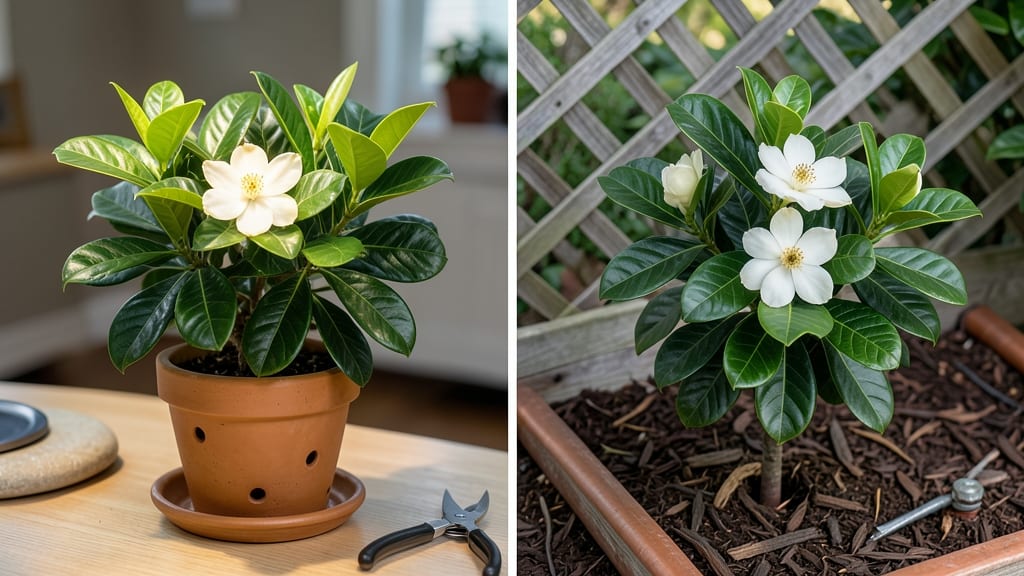
💥 Quick Answer Deciding whether to grow gardenias indoors or outdoors depends on your climate—outdoor gardenias flourish in warm regions (USDA Zones 8-11) with full sun exposure, while indoor gardenias need bright…
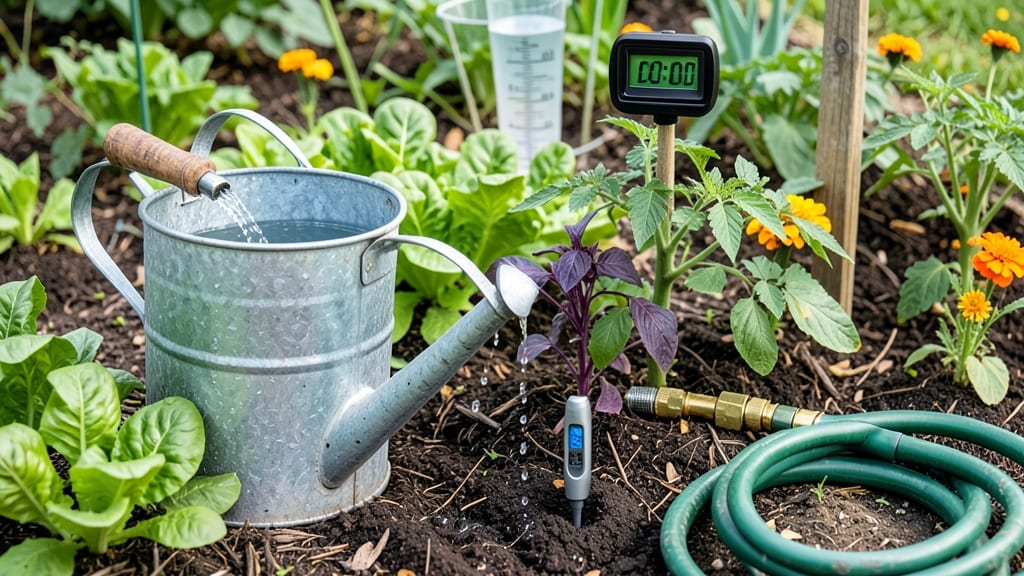
💥 Quick Answer Watering your garden for 1 to 1.5 inches per week is ideal, but adjust based on soil—sandy soils need shorter, more frequent sessions (2-3 times weekly) while clay soils hold moisture longer, requiring…
💥 Quick Answer The Colorado Springs garden zone falls within USDA Hardiness Zones 5b to 7a , with winter temperatures dipping to 5°F–10°F and summer peaks often exceeding 90°F. These conditions create ideal planting…
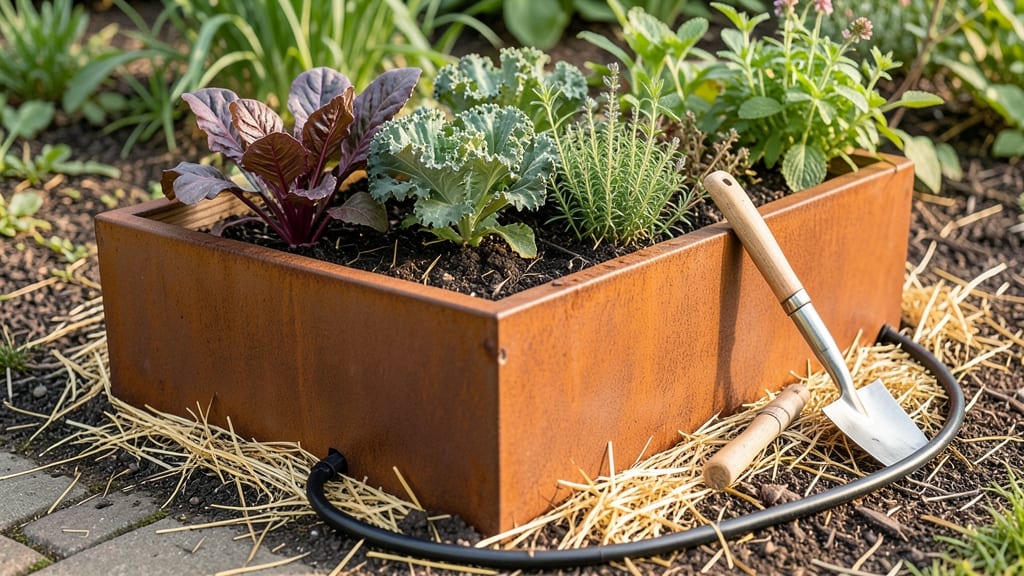
💥 Quick Answer Corten steel raised garden beds resist rust and weathering naturally due to their weathering steel composition, requiring minimal maintenance while offering durability for years. Their rustic appearance…
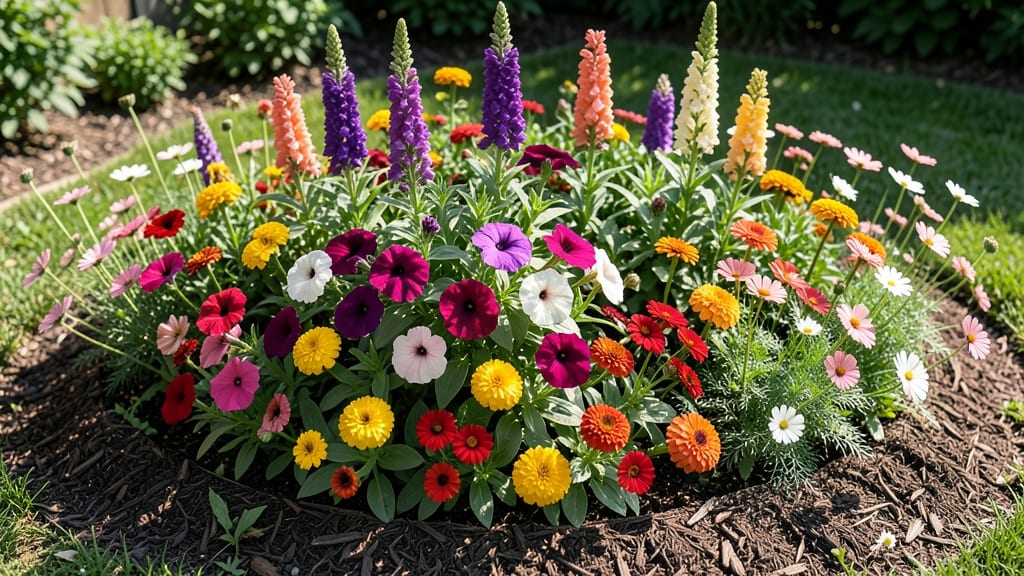
💥 Quick Answer A flower garden in the shape of a circle’s area is calculated using the formula πr² , where r is the radius (half the diameter). Multiply the radius by itself, then by 3.1416 (π) to find the square…
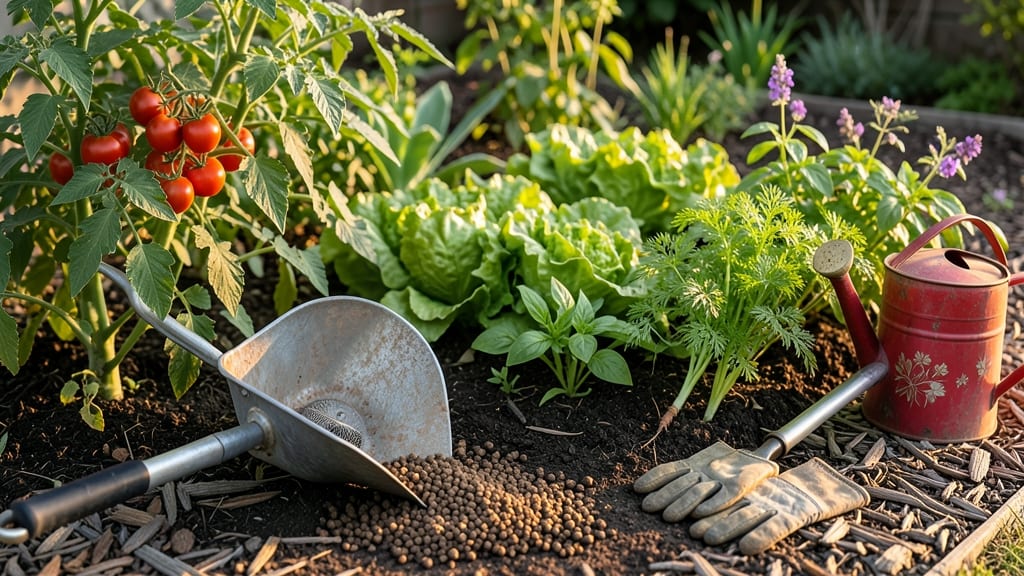
💥 Quick Answer To fertilize your garden properly, time it by plant type and season: use slow-release fertilizer in early spring before new growth begins, apply mid-season for flowering plants, and skip fall…
💥 Quick Answer The Toronto Botanical Garden features stunning seasonal displays, rare botanical collections, and themed gardens like the Japanese Garden and Children's Garden, creating a vibrant experience for nature…
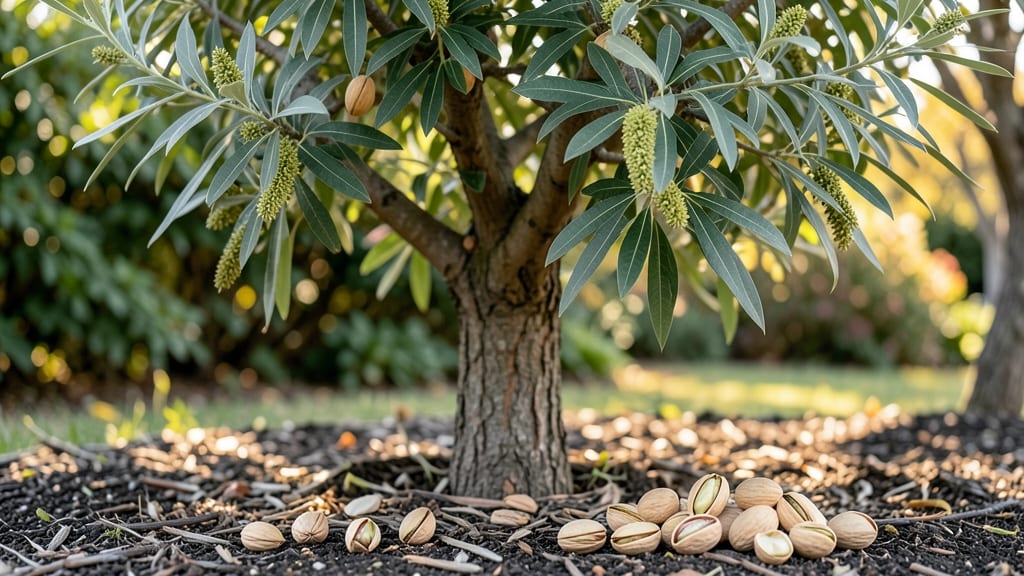
💥 Quick Answer Incorporating pistachio shells into your garden enhances soil aeration, naturally repels pests like slugs and snails, and enriches the soil as they break down. Use crushed shells as mulch or leave them…
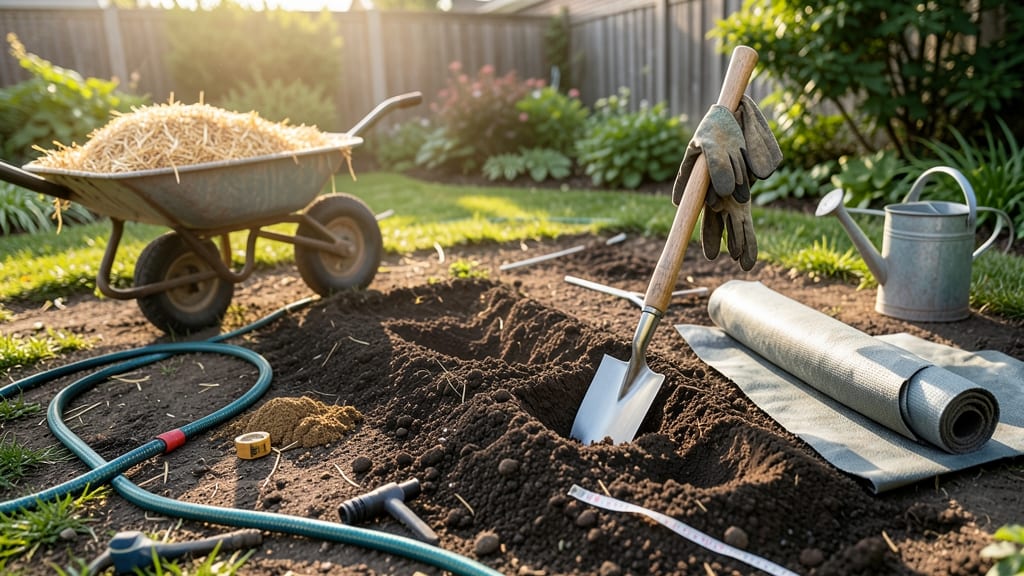
💥 Quick Answer To make a garden bed, select a sunny, flat area, mark the shape with spray paint or string, remove grass/sod, loosen soil to 12 inches deep, and mix in compost for fertility. Avoid tilling if soil is wet…
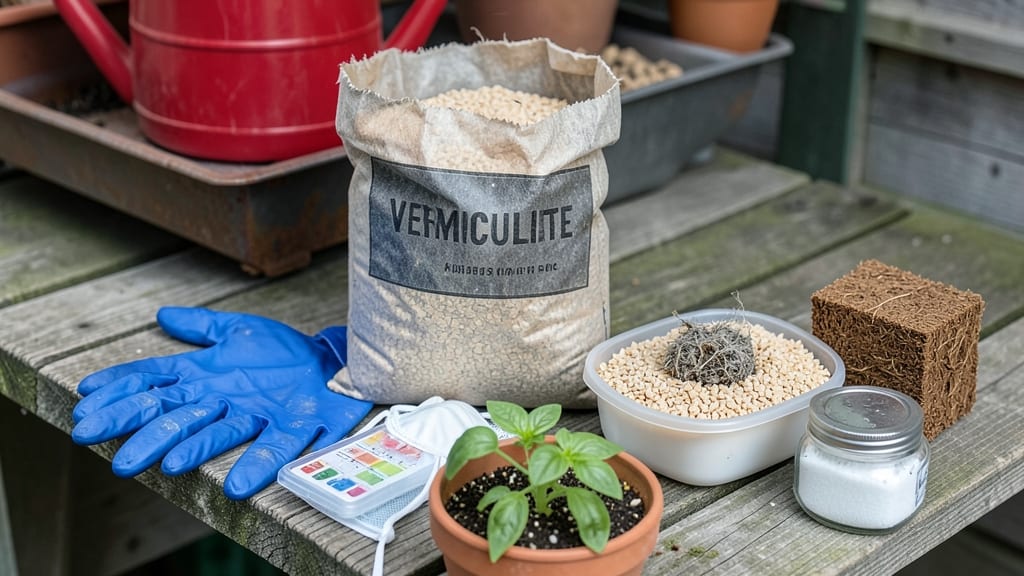
💥 Quick Answer Vermiculite is dangerous in gardening when contaminated with asbestos, a known carcinogen that can release harmful fibers when disturbed. Pre-1990s vermiculite often contains asbestos, posing inhalation…